
Curiosity is the spark that ignites lifelong learning. When children are curious, they’re naturally driven to explore, ask questions, and seek answers. This not only supports academic success but also nurtures creativity, critical thinking, and resilience. Encouraging curiosity from an early age can help your child grow into a confident and independent thinker. Here are some practical ways to inspire curiosity in your child’s everyday life, inspired by the practices of this prep school in Surrey.
Create a Curious Environment
Children thrive in environments that invite exploration. Fill your home with books, puzzles, maps, art supplies, and age-appropriate science kits. Make sure these resources are easily accessible so your child can follow their interests independently. Rotating items regularly can also help keep things fresh and exciting.
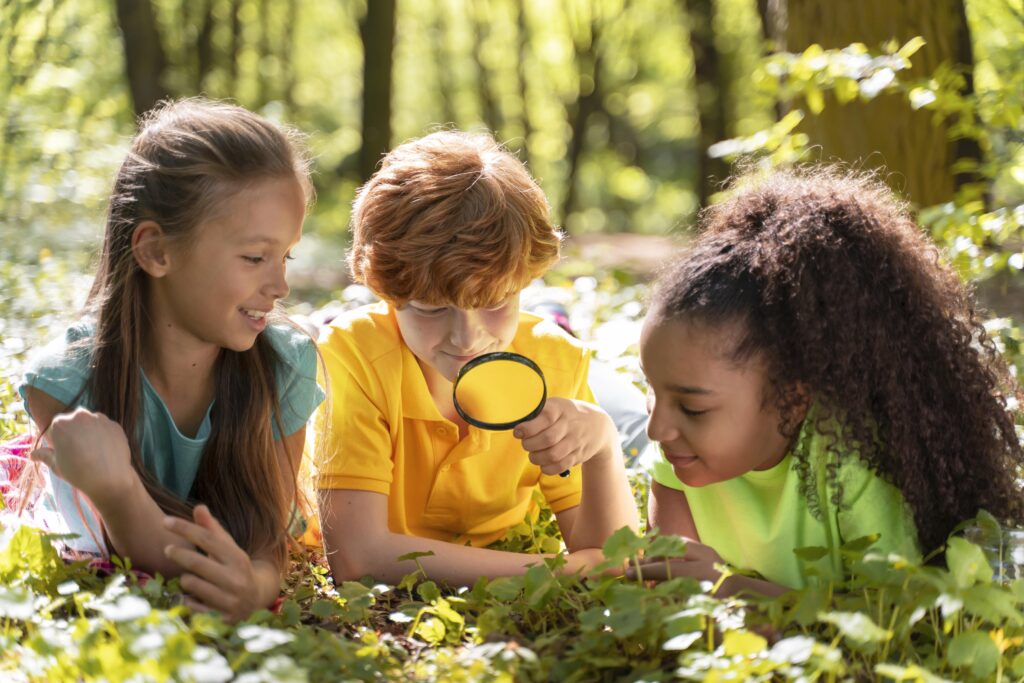
Consider setting up a “discovery zone” – a quiet corner with a magnifying glass, a notebook, some natural items like leaves or stones, and maybe even a globe or microscope. These small changes can subtly encourage your child to observe, question, and experiment.
Encourage Questions – Even the Endless Ones
Children ask a lot of questions, and that’s a good thing. Rather than rushing to provide all the answers, try responding with: “What do you think?” or “Let’s find out together.” This helps children feel their curiosity is valid and shows them how to explore answers themselves.
Resist the urge to shut down questions that seem repetitive or inconvenient. If your child asks “why?” repeatedly, they’re not being difficult—they’re seeking understanding. Patient, thoughtful responses help build trust and curiosity.
Explore Interests, Even Unusual Ones
Your child might develop a fascination with dinosaurs, outer space, insects, or how machines work. Whatever the interest, lean into it. Visit museums, read related books, or watch educational videos together. These shared experiences not only deepen their knowledge but also strengthen your bond.
Don’t worry if their interest shifts quickly—this is normal. Curiosity often leads down different paths, and each one offers learning opportunities.
Model Curiosity Yourself
Children often mirror the adults in their lives. If you show curiosity about the world, they’ll be more likely to do the same. Share your own wonderings aloud: “I wonder how bees know where to go,” or “I’d love to learn how to play the piano.”
When children see you asking questions, looking things up, or learning something new, it reinforces the idea that curiosity is not only for school—it’s for life.
Give Them Time and Freedom
Overscheduling can limit opportunities for open-ended exploration. While structure is important, it’s equally essential to allow unstructured time where children can simply play, daydream, or tinker. Boredom isn’t a bad thing—it often leads to the most creative outcomes.
Offer gentle encouragement, not pressure. Curiosity flourishes when children feel safe to explore without fear of making mistakes or being judged.
Fostering curiosity isn’t about having all the answers—it’s about building a mindset that values questions. With the right support and environment, your child will develop a love for learning that lasts a lifetime. Start small, stay curious yourself, and enjoy the journey of discovery together.