
If you’re considering renovating your home, one thing that may be on your mind is whether your project will need planning permission. If it does, it can sometimes feel as though the hassle of applying for it is not worth the benefits the work would yield.
But many projects fall under what’s called permitted development rights, meaning homes can be improved without planning permission.
Many loft conversions, kitchen extensions and conservatories, for example, don’t need planning permission as long as some basic guidelines are followed.
Here are some other ideas:
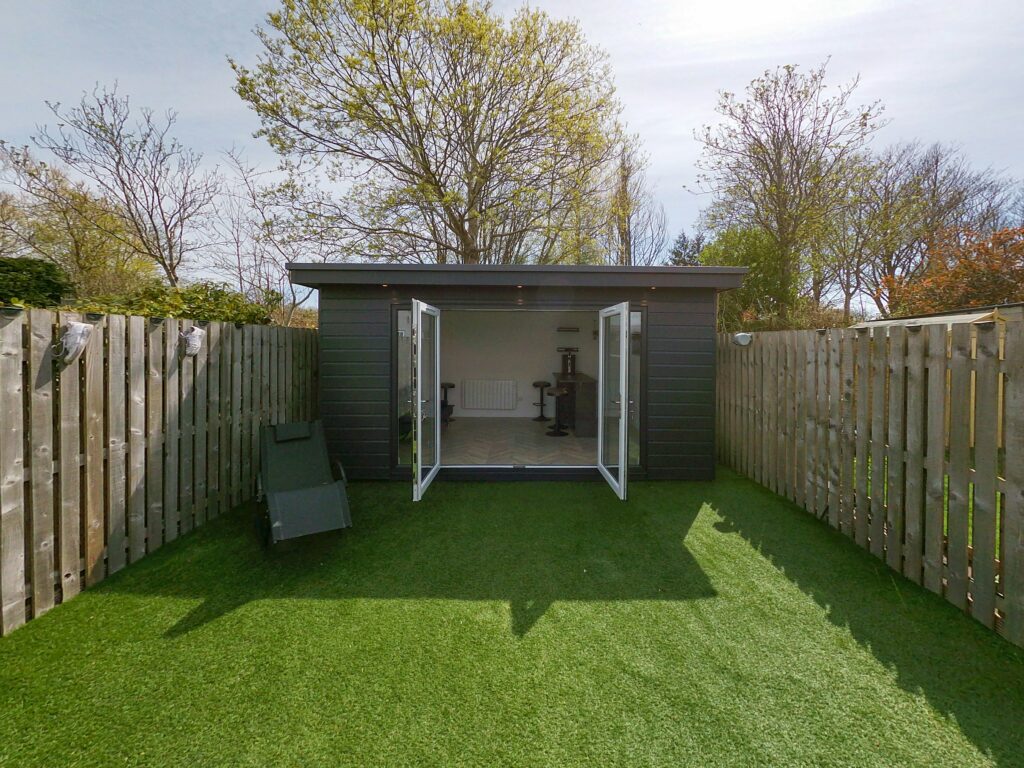
Photo by Steen Builders on Unsplash
1. Garden Rooms
Bespoke garden rooms have increased in popularity in recent years. And they’re versatile enough to provide a new office space, home gym, a den for teenagers or simply a dedicated space in which you can read in peace or enjoy your hobbies.
In most cases, garden rooms are classed as outbuildings and so don’t require planning permission provided their height doesn’t exceed 2.5m and they don’t take up more than half of the area around your house. Equally, no one should use it for accommodation.
However, you do require planning permission if you live in a listed building or your home is in a National Park, conservation area or similar. Finally, garden rooms need permission if they go with flats or maisonettes.
2. Window Improvements
If you’re replacing windows (or doors) in the same style and size as the originals, planning permission isn’t needed. However, there are some cases where you will need to apply, depending on whether what you want to do falls within permitted development. For example, if you wish to fit a skylight or roof light protruding further than 150mm beyond the plane of the roof slope, or higher than the roof’s apex, you’ll need permission. Equally, it might be required if, say, your property is a listed building or you live in a designated area such as an AONB. Additionally, bear in mind that new windows must comply with building regulations, covering heat loss, fire safety and ventilation.
With bay windows, which protrude a little further, you may need permission if these are new and at the front of the house. But if you go for, say, bespoke uPVC Timber alternative sash windows, these should fall within permitted development in most cases. And you get a cost-effective, low-maintenance and secure solution that looks as good as real wooden window frames while offering the perfect fit.
3. Patio Furniture
If your patio comprises non-porous materials, is bigger than five square metres in size, or affects neighbours’ access, you may need to apply to your local planning authority for permission to construct it. When it comes to decking, you’ll be fine if it’s 30cm or less above ground level, covers no more than half of your garden and is not in front of the main elevation of your house facing the road.
But, to state the obvious, you don’t need planning permission for outdoor furniture, which extends your living space, creates a focal point and makes entertaining guests a lot more pleasant.
With teak extending garden tables, for example, you get flexibility for all occasions, plus you make the most of your space. So they’re the ideal solution for any occasion, and the perfect investment in your home, being both elegant and functional. What’s more, teak is exceptionally long-lasting and low-maintenance. If anything, its stunning appearance only improves over time.
For the best results, go for Grade A heartwood teak, which has no knots or other flaws, and which comes from a responsibly managed plantation.