
STEM—an acronym for Science, Technology, Engineering, and Mathematics—has become a cornerstone of modern education. These subjects not only provide students with essential knowledge but also foster critical thinking, problem-solving skills, and creativity. Introducing your child to STEM at an early age can set them on a path of curiosity and lifelong learning. Whether your child is naturally inclined towards these subjects or needs a bit more encouragement, there are plenty of ways to make STEM exploration fun and engaging.
The Importance of STEM in Early Education
This London private school suggests that STEM education is not just for older students; it can be highly beneficial even for younger children. Early exposure to STEM can help children develop an interest in these fields before they encounter them formally in school. It encourages them to ask questions, explore, and think critically. Engaging in STEM activities can also boost their confidence, as they see themselves solving problems and making discoveries.
Fun and Simple Science Experiments at Home
You don’t need a fully-equipped lab to introduce your child to science. Many everyday items can be used to conduct simple yet fascinating experiments at home. For instance, creating a baking soda and vinegar volcano is a classic experiment that demonstrates a chemical reaction. Watching seeds sprout in a clear container can introduce them to basic biology. These hands-on activities not only teach scientific principles but also make learning enjoyable.
Integrating Technology in Daily Life
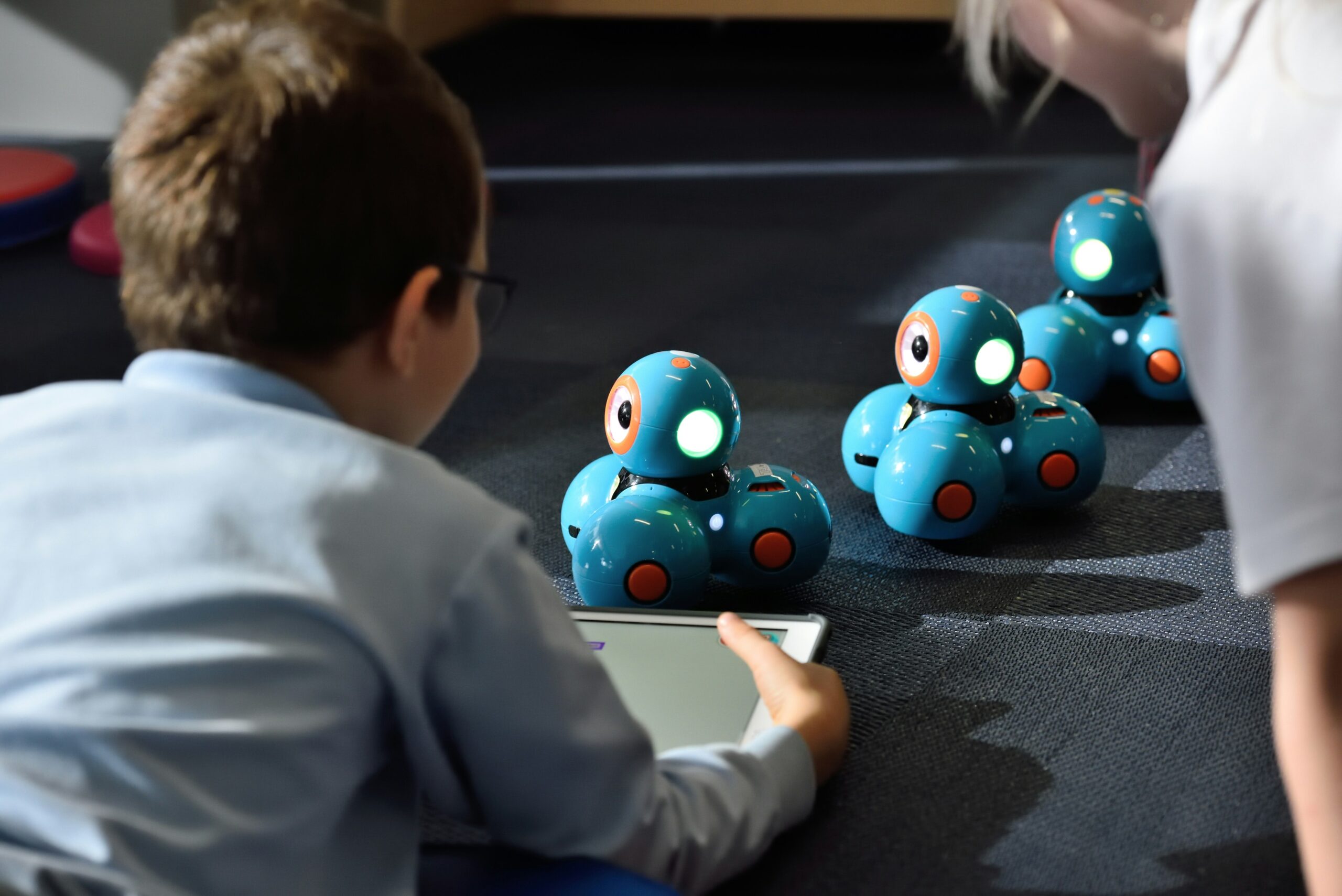
Technology is an integral part of our lives, and children are naturally drawn to it. You can channel this interest into educational experiences. There are many child-friendly apps and online resources designed to teach coding, problem-solving, and logical thinking. Tools like LEGO Robotics kits or DIY electronics kits can also provide a hands-on introduction to technology and engineering.
Encouraging Engineering Through Building Projects
Engineering might seem complex, but at its core, it’s about solving problems and building things. Simple building projects, like constructing bridges or towers from materials like straws, toothpicks, or LEGO blocks, can introduce your child to basic engineering concepts. You can challenge them to design a structure that can hold a certain weight or withstand a certain force. These activities help develop spatial awareness, creativity, and an understanding of physics and materials.
Making Maths Fun and Relevant
Maths can often seem abstract and daunting to children, but it doesn’t have to be. You can make maths fun by integrating it into daily activities. Cooking, for example, involves measuring ingredients, which can be a practical way to teach fractions and multiplication. Board games that involve counting, strategy, and probability can also make maths more engaging. The key is to show how maths is relevant and useful in everyday life.
Cultivating a Lifelong Love for Learning
Exploring STEM subjects with your child is about more than just preparing them for school. It’s about nurturing their natural curiosity and helping them develop a lifelong love for learning. Encourage them to ask questions, seek out answers, and not be afraid to make mistakes. Celebrate their successes and help them learn from their failures.
Incorporating STEM into your child’s life doesn’t require expensive tools or complex concepts. With a little creativity, you can turn everyday activities into valuable learning experiences. By making STEM fun and accessible, you’re setting your child up for a future full of possibilities, where they can be confident and capable problem-solvers ready to tackle the challenges of tomorrow.