
Diarrhea after starting Mounjaro is common enough that most gastroenterologists expect it, yet plenty of people on tirzepatide still panic the first time it hits. That reaction is understandable. Loose stools that appear shortly after a dose feel indistinguishable, at least at first, from the kind caused by a virus or contaminated food. The two conditions share overlapping symptoms, which makes it genuinely hard to know whether your body is adjusting to a new medication or fighting off something infectious. Getting that distinction right matters, because the response is different in each case. Riding out a drug side effect requires patience and some dietary adjustments, while a stomach infection can sometimes need medical treatment, especially if dehydration becomes serious. If you're currently on Mounjaro and dealing with loose stools, the clues you need are mostly in the timing, the accompanying symptoms, and a few straightforward pattern checks you can do before you call your doctor.
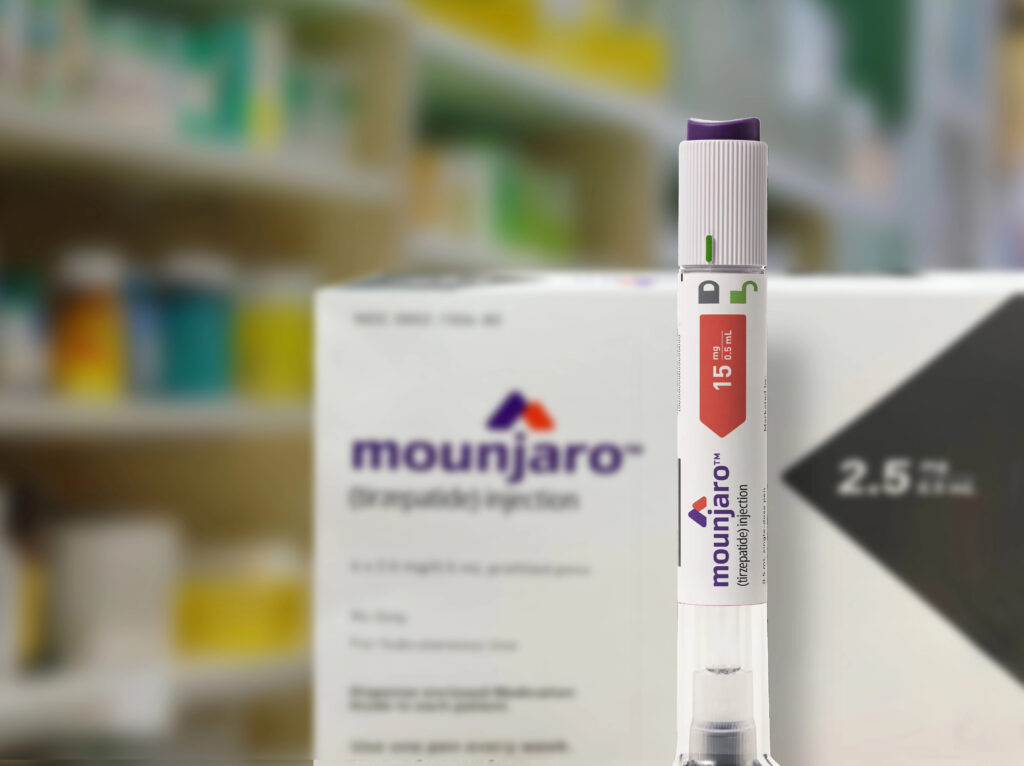
How Mounjaro Affects Your Gut
Understanding why Mounjaro causes diarrhea starts with how the drug works mechanically. Tirzepatide activates GIP and GLP-1 receptors simultaneously, and one consequence is that it slows gastric emptying significantly. Food stays in your stomach longer than usual, which can disrupt the normal rhythm of the digestive tract. The gut responds with increased motility in some people, and the result is loose, frequent stools, often within the first few days after an injection or after a dose increase. This is not a random reaction. It follows a predictable pattern tied directly to the pharmacology of the drug, and that predictability is actually one of the most useful tools you have when trying to figure out what's going on. Mounjaro-related diarrhea is rarely a sign that something has gone wrong. It's the gut adapting, and for most people, the intensity decreases significantly within two to four weeks as the body adjusts to the new baseline.
The Timing Pattern That Points to a Drug Side Effect
Mounjaro gets injected once a week, and GI side effects - diarrhea included - tend to cluster around a predictable window after each dose. Symptoms usually show up one to three days post-injection, then start fading on their own. If your loose stools reliably land in that same window every week and then clear up, that pattern strongly points to tirzepatide rather than a pathogen. A stomach virus doesn't follow a weekly schedule. It shows up when it shows up, with no connection to your injection calendar. Keeping a simple log - the day you injected, when symptoms started, when they stopped - can make that pattern obvious fast. That record is also genuinely useful if you end up talking to your prescriber about adjusting your dose or titration pace.
What Mild Mounjaro Diarrhea Usually Looks Like
Drug-related diarrhea from tirzepatide is typically loose to watery in consistency but doesn't usually contain blood or mucus. Urgency is common - you may need to get to the bathroom quickly - but the overall frequency tends to be moderate rather than severe. Most people on Mounjaro report three to five episodes per day during a bad stretch, which is uncomfortable but not medically alarming on its own. The stool often has a strong odor, partly because fat digestion is affected, and this can be more pronounced if you've eaten a high-fat meal. Nausea frequently accompanies the diarrhea, but vomiting is less common than the GI distress. You're also unlikely to feel feverish. That last point is important. Fever signals an immune response to an invader, and Mounjaro doesn't trigger one. If you have a temperature above 100.4°F alongside your diarrhea, that detail alone moves the picture away from a simple drug side effect.
Signs That Point to a Stomach Infection Instead
A stomach infection - whether it's norovirus, Salmonella, a parasite, or another pathogen - tends to announce itself in ways that differ from a medication side effect. Pathogens hit your whole system in a way that drug-induced GI disturbance simply doesn't. Your immune system fires up, your temperature often climbs, and that full-body sick feeling is usually hard to miss. But knowing exactly what to look for matters, because some of those symptoms do overlap with severe Mounjaro side effects, and that overlap can cause real confusion, particularly in the first few months on the drug.
Fever, Chills, and Muscle Aches as Red Flags
Fever above 100.4°F, chills, or noticeable body aches alongside diarrhea points far more toward a stomach infection than a tirzepatide side effect. Those three symptoms together signal an active immune response - the kind your body mounts against bacteria or viruses, not against a therapeutic drug. Bacterial infections from contaminated food, especially Salmonella, Campylobacter, or Shiga toxin-producing E. coli, can also produce blood or mucus in the stool, something you'd never see from Mounjaro. Blood in your diarrhea is a reason to call a doctor that day, no matter what medication you're on. Cramping from an infection also tends to be more severe and constant than the intermittent discomfort most Mounjaro users describe. And vomiting is considerably more common with stomach infections - viral gastroenteritis in particular, than with tirzepatide side effects on their own.
Exposure History Tells You a Lot
One of the fastest ways to figure out which situation you're in is to think backward through the 24 to 72 hours before your symptoms started. Did you eat at a restaurant, attend a gathering where food sat out, or spend time around someone who was recently sick with a stomach bug? A clear exposure event is a meaningful clue. Stomach infections don't appear without a source. Viruses spread person to person, and bacterial infections come from contaminated food or water. Mounjaro diarrhea, by contrast, doesn't require exposure to anything - it comes on because you took your medication. If you can't identify any plausible exposure and your symptoms lined up neatly with your injection schedule, the balance of probability sits firmly with the drug. And if someone else in your household developed the same symptoms around the same time, that points strongly toward something infectious. Mounjaro side effects don't spread.
Conclusion
Telling Mounjaro-related diarrhea apart from a stomach infection comes down to four key questions: Did symptoms start in the one-to-three-day window after your injection? Do you have a fever or body aches? Is there blood or mucus in your stool? And did anyone around you get sick at the same time? If the timing lines up with your injection cycle and none of those red-flag symptoms are present, a drug side effect is almost certainly what you're dealing with. But if fever, bloody stool, or a clear exposure event is part of the picture, don't wait it out, call your doctor. Severe or prolonged diarrhea can cause dehydration regardless of what's driving it, and that risk is real. When you're not sure, a quick call to your prescriber is always the right move, especially in those early months when your gut is still finding its new normal.