Acoustic wood wall panels have become a popular choice in residential, commercial, and public spaces because they combine visual appeal with effective sound control. From offices and conference rooms to restaurants, schools, and home theaters, these panels help create more comfortable environments by reducing noise and improving speech clarity. Browse the collection of acoustic wood wall panels to find options that suit your project's functional and design requirements. With a wide variety of materials, finishes, and acoustic ratings available, selecting the right product requires careful consideration. Evaluating factors such as acoustic performance, design, sustainability, installation, customization, and long-term value helps ensure the panels meet both functional and aesthetic requirements.
Acoustic Performance
The primary function of acoustic wood wall panels is to improve a room's sound quality by absorbing excess noise and minimizing echo. Their effectiveness depends on several factors, including the panel's construction, core material, perforation pattern, and acoustic backing.
A key specification to evaluate is the Noise Reduction Coefficient (NRC), which measures a panel's ability to absorb sound. Products with higher NRC ratings generally perform better in spaces where controlling reverberation is essential, such as offices, classrooms, meeting rooms, recording studios, and hospitality venues. Selecting a panel with an appropriate NRC rating helps create a more comfortable and productive environment while reducing the need for additional acoustic treatments.
Design and Visual Appeal
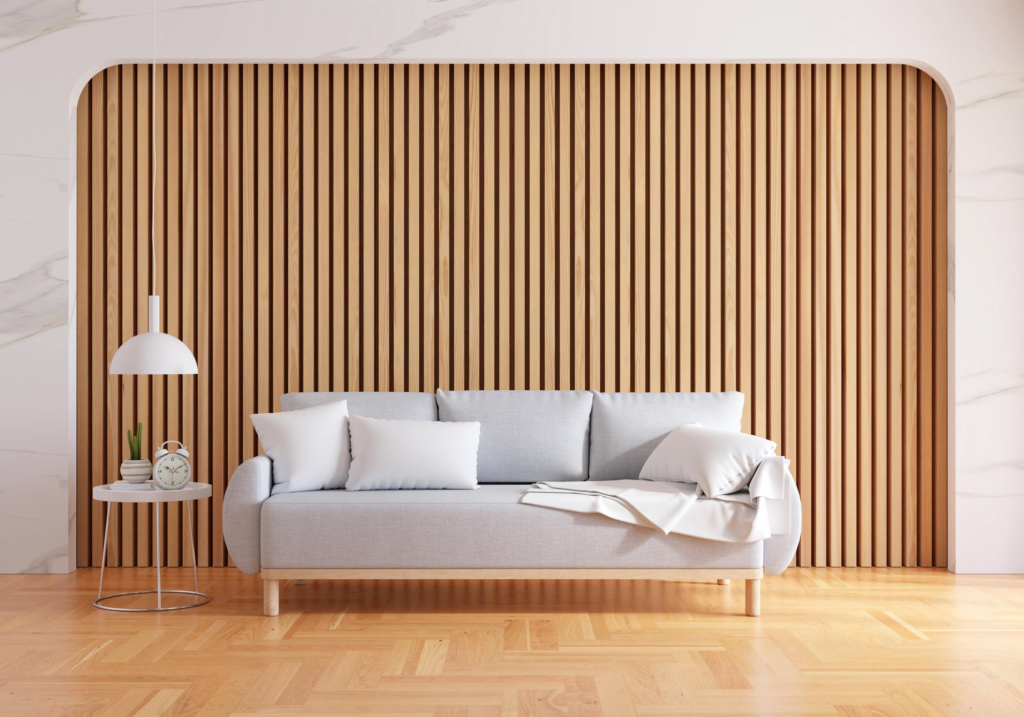
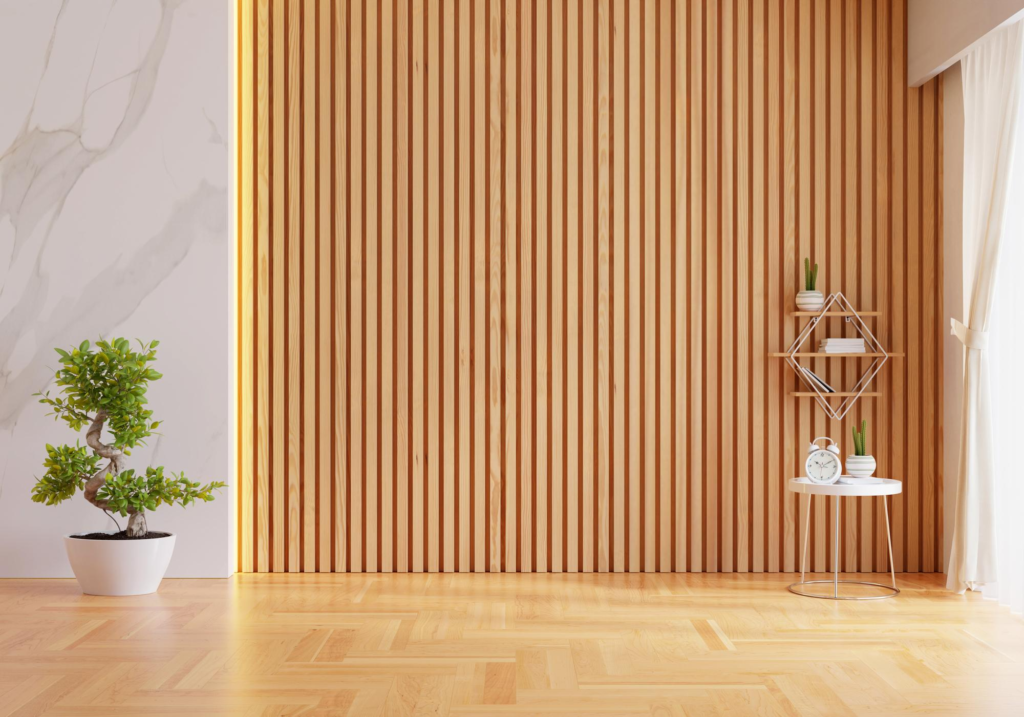
Acoustic wood wall panels are available in a wide range of wood species, finishes, colors, and surface profiles, making them suitable for many architectural and interior design styles. Whether used as a feature wall or throughout an entire room, they can enhance the overall appearance of a space while providing practical acoustic benefits.
The natural texture and warmth of wood allow these panels to complement both modern and traditional interiors. When comparing products, designers and property owners should consider how the panel's finish will coordinate with flooring, furniture, lighting, and existing color palettes. Selecting panels that balance visual appeal with acoustic performance contributes to a cohesive and functional interior.
Sustainability
Sustainability has become an important consideration in building and interior design projects. Many manufacturers now produce acoustic wood wall panels using responsibly sourced timber, recycled materials, and environmentally friendly production methods.
Products with low-VOC finishes can also contribute to healthier indoor air quality by reducing chemical emissions within occupied spaces. Reviewing environmental certifications and product specifications helps identify panels that meet sustainability goals without compromising durability or performance. Choosing environmentally responsible materials can support green building initiatives while extending the lifespan of the finished installation.
Installation and Maintenance
Installation requirements vary depending on the panel system. Some acoustic wood wall panels are designed for straightforward installation using clips or adhesive systems, while others require professional installation because of their size, weight, or mounting method.
Understanding the installation process before purchasing helps estimate labor costs, project timelines, and any additional materials that may be required. Proper installation also ensures the panels perform as intended and remain securely in place over time.
Maintenance is generally simple. Most panels require only routine dusting and occasional cleaning with products recommended by the manufacturer. Following the proper care guidelines helps preserve the wood finish while maintaining the panel's acoustic performance for years.
Customization Options
Many manufacturers offer customization to accommodate specific project requirements. Depending on the supplier, acoustic wood wall panels can often be produced in custom dimensions, wood species, finishes, colors, and acoustic configurations.
This flexibility allows architects, designers, and property owners to create solutions that fit unique room layouts or design concepts. Custom panels can also help maintain visual consistency across larger installations while meeting specific acoustic objectives. Consulting with manufacturers during the planning stage can help determine which customization options best suit the project's requirements.
Long-Term Value
Although high-quality acoustic wood wall panels typically require a greater initial investment than standard wall finishes, they often provide better long-term value. Durable materials, quality craftsmanship, and timeless designs reduce the need for frequent repairs or replacements.
Effective sound control may also reduce the need for additional acoustic products, lowering overall project costs. In commercial settings, improved acoustics can contribute to greater comfort, productivity, and customer satisfaction. In residential environments, the panels can enhance entertainment spaces, home offices, and shared living areas while adding lasting visual appeal.
Research and Product Comparison
Comparing products before making a purchase helps identify the most suitable solution for a specific application. Reviewing technical specifications, completed projects, customer testimonials, and case studies provides valuable insight into product performance, installation quality, and long-term durability.
Examining real-world examples also helps illustrate how different panel styles affect both acoustics and interior design. Taking the time to compare multiple manufacturers allows buyers to make informed decisions based on performance, appearance, warranty coverage, and overall value.
Technology Integration
Modern acoustic wood wall panels can also accommodate integrated lighting, audio systems, and other building technologies. These features enable designers to incorporate functional elements while maintaining a clean and organized appearance.
For projects that include integrated technology, confirming compatibility with the selected panel system before installation helps prevent unnecessary modifications and ensures a seamless result.
Conclusion
Choosing acoustic wood wall panels involves more than selecting a finish that complements a room's design. Acoustic performance, sustainability, installation requirements, maintenance, customization, and long-term value all influence the overall effectiveness of the product. Careful research and comparison allow architects, designers, and property owners to select panels that improve both sound quality and visual appeal. By considering these factors before making a purchase, they can create spaces that are functional, durable, and well-suited to their intended purpose.