
Ants are easy to ignore at first. One or two appear near the sink, and it seems like a minor nuisance. But ants rarely travel alone. When you see a few, it often means there’s a much larger colony hidden somewhere in your home or around your property. In busy urban areas like Toronto, where homes are closely spaced and food sources are plentiful, ants can spread quickly from one property to another.
Because these pests are small and quiet, infestations can grow for weeks or even months before homeowners realize how serious the problem has become. Recognizing the early warning signs can help you act before ants spread into walls, pantries, and living spaces. The sooner you spot the clues, the easier it is to stop the infestation and prevent long-term damage or contamination.
Below are seven common signs that ants may already be established in your home.
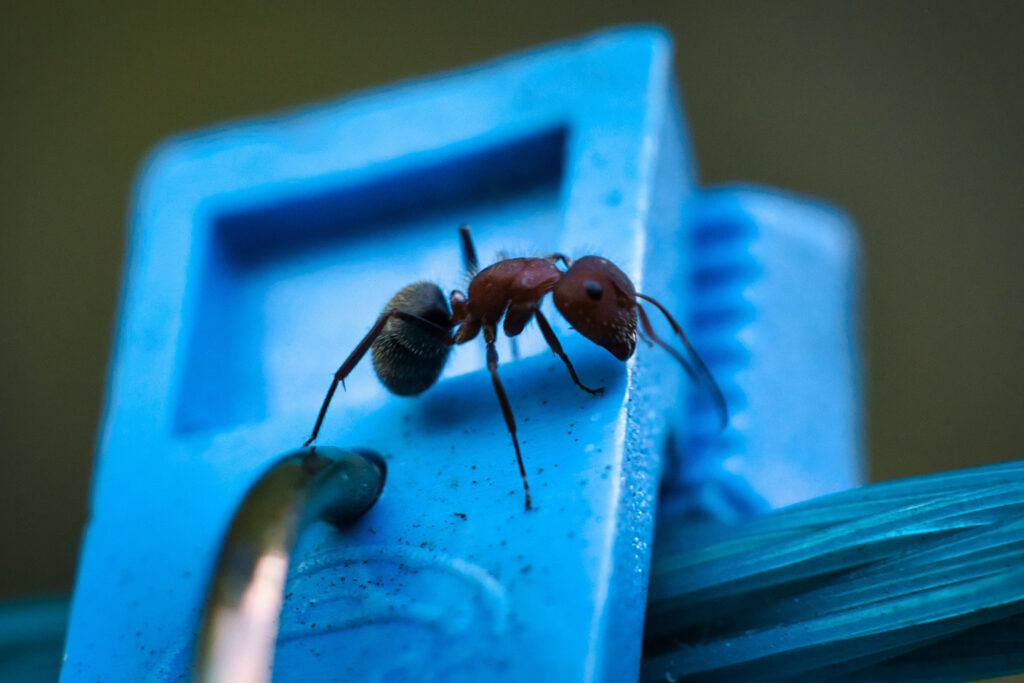
1. Frequent Ant Trails Indoors
One of the most obvious signs of an infestation is seeing ants travel in long, organized lines. These trails are not random. Ants release pheromones to guide others from the colony to food and water sources, creating a steady path that can remain active for days or even weeks.
You’ll often notice these trails along baseboards, kitchen counters, window frames, or near sinks. Even if the trail seems small, it usually indicates that a larger colony is operating nearby. Ignoring the trail can allow the colony to expand into other areas of the home.
2. Ants Gathering Around Food
Ants are constantly searching for food. If you frequently see them near crumbs, open containers, or pet bowls, it’s a strong sign that they’ve already identified your home as a reliable food source.
Common hotspots include kitchen counters, garbage bins, pantries, and under appliances. Even small spills or sugary residues can attract scouting ants. Once scouts return to the colony with food, they bring more ants back with them, which quickly turns a small issue into a larger infestation.
3. Ant Nests Around the Property
Outdoor nests are another strong indicator of an infestation. You may see small mounds in the soil, along the foundation, or in cracks in pavement and driveways. These outdoor colonies often serve as the starting point for indoor invasions. If the nests are close to the structure, the chances of an indoor infestation increase significantly.
At this stage, you must consider hiring an ant exterminator in Toronto to effectively address both indoor and outdoor colonies. Quality Affordable Pest Control uses targeted treatments designed to eliminate the entire colony, not just the visible ants. Their approach focuses on identifying nest locations, applying appropriate control methods, and preventing future infestations, which helps ensure longer-lasting results.
4. Rustling or Movement Inside Walls
In more serious infestations, you might hear faint rustling sounds inside walls or ceilings. This is especially common with carpenter ants, which create extensive tunnel systems inside wooden structures.
While the sound may be subtle, it often signals a well-established colony. At this stage, surface treatments alone may not solve the issue, since the ants are nesting deep within the structure.
5. Winged Ants or Swarmers Indoors
If you notice flying ants inside your home, it’s usually a sign that the colony has matured. These winged ants, also called swarmers, are responsible for reproducing and forming new colonies.
They are often seen near windows, light fixtures, or doorways. Many homeowners confuse them with termites, but both situations require prompt attention. The presence of swarmers typically means there is a fully developed colony nearby.
6. Small Piles of Dirt or Debris
Some ant species leave behind small piles of soil, sand, or wood shavings as they dig tunnels. These piles may appear near baseboards, window sills, or cracks in the floor.
Carpenter ants, for example, create sawdust-like debris as they tunnel through wood. This can indicate structural activity, which may lead to damage over time. These piles are often mistaken for regular dust, so it’s important to look closely and identify the source.
7. Ants in Moist or Hidden Areas
Ants are often drawn to damp or hidden spaces. Areas under sinks, behind refrigerators, inside cabinets, or in basements are common nesting spots.
Moisture attracts certain ant species, especially those that prefer humid environments. Because these areas are not checked regularly, infestations can grow unnoticed. If you repeatedly see ants in these hidden spots, it’s likely that a colony is nearby.
Conclusion
Ant infestations rarely start as major problems. They begin with a few scouts and grow quietly over time. By watching for common warning signs—such as trails, food activity, debris, or swarmers—you can catch the issue early and prevent it from spreading throughout your home. Acting quickly not only protects your living space but also saves time, money, and frustration in the long run.