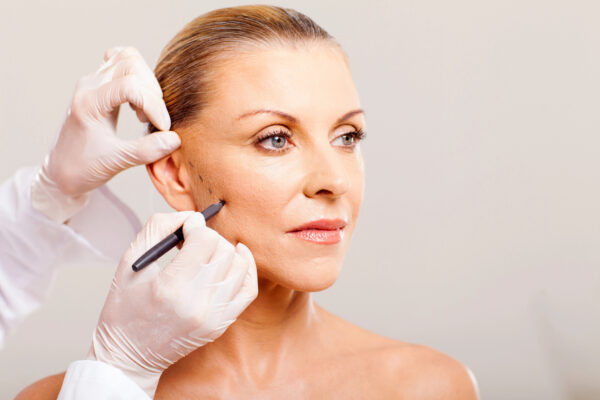
The eyes are often the first place people notice change. Not because of wrinkles alone, but because heaviness, puffiness, or sagging around the eyelids can subtly alter how alert, rested, or expressive someone appears. Even when you feel energetic, your reflection may suggest otherwise—and that disconnect is what leads many people to start asking questions about eyelid surgery.
Blepharoplasty, commonly called eyelid surgery, is one of the most targeted facial procedures available in Mission Viejo and beyond. It doesn’t aim to change how you look—it aims to restore what time, gravity, and genetics have shifted. Hence, understanding what the procedure actually involves and who it’s best suited for helps separate realistic expectations from common misconceptions.
1. What Blepharoplasty Actually Treats
Blepharoplasty focuses on the delicate tissues of the upper and lower eyelids. Over time, skin elasticity decreases, fat pads shift, and muscle support weakens. These changes can create drooping upper lids, under-eye bags, or a tired appearance that doesn’t improve with rest or skincare.
The procedure is designed to address:
• Excess or sagging upper eyelid skin.
• Puffiness or bulging caused by displaced fat.
• Loose lower eyelid skin and fine creasing.
• A heavy or closed-off eye appearance.
Unlike surface treatments, blepharoplasty works at the structural level. Skin, fat, and sometimes muscle are carefully repositioned or removed to restore a smoother, more open eye area. When done correctly, the result isn’t dramatic—it’s subtle, refined, and natural.
2. How the Procedure Is Performed
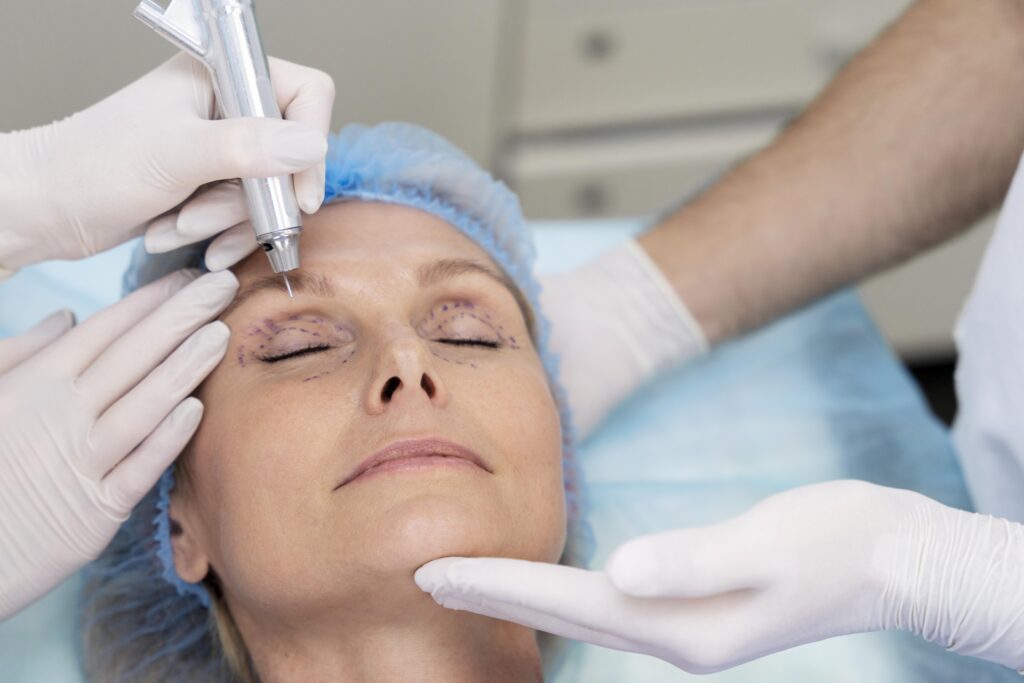
Blepharoplasty is typically performed as an outpatient procedure. Depending on the patient’s needs, it may involve the upper lids, lower lids, or both. The approach is customised based on facial anatomy, skin quality, and the specific concerns being addressed.
In most cases:
• Small incisions are placed in natural eyelid creases or along the lash line.
• Excess skin and fat are carefully adjusted.
• Incisions are closed in a way that minimises visible scarring.
Because the eyelid skin is thin and highly visible, precision matters. For individuals considering blepharoplasty in Mission Viejo, choosing a practice that emphasises full-face evaluation creates a huge difference in results. The good part? Reputable surgeons like Orange County Surgical Specialists evaluate more than just the eyelids themselves. In fact, they assess brow position, cheek support, and overall facial balance to ensure the eyes look refreshed without appearing altered.
3. Who Is a Good Candidate for Blepharoplasty?
Blepharoplasty isn’t limited to one age group. While many patients are in their 40s, 50s, or beyond, suitability depends more on anatomy and symptoms than age alone.
People who often benefit from eyelid surgery include those who:
• Feel their eyes look tired even when well-rested.
• Have drooping upper lids that affect appearance or vision.
• Notice persistent under-eye bags or puffiness.
• Feel makeup application has become difficult due to excess skin.
Some patients pursue blepharoplasty for functional reasons—particularly when sagging upper lids begin to interfere with peripheral vision. Others are motivated by appearance, seeking a brighter, more alert look that reflects how they feel internally.
4. What Results Typically Look Like
One of the most common concerns about eyelid surgery is whether the results will look obvious. In reality, successful blepharoplasty often draws less attention than expected. Friends and colleagues may notice that you look more rested or refreshed, without being able to pinpoint why.
Patients generally experience:
• A smoother upper eyelid contour.
• Reduced puffiness under the eyes.
• A more open, alert eye appearance.
• Subtle improvement to overall facial balance.
Because the eyes play such a central role in expression, even small refinements can have a noticeable impact on how the entire face is perceived.
5. Recovery and Adjustment
Recovery from blepharoplasty is usually straightforward, but it’s still a surgical procedure and requires proper aftercare. Swelling and bruising around the eyes are normal in the first few days and gradually subside.
Most patients can expect:
• Temporary bruising or swelling for several days.
• Stitches that dissolve or are removed quickly.
• A return to normal activities within one to two weeks.
While physical healing is relatively quick, results continue to refine over time as tissues settle. Patience during this phase is important, as final outcomes become clearer over several weeks.
Final Thoughts
Blepharoplasty is not about changing your eyes—it’s about restoring clarity, openness, and balance to an area that strongly influences how you’re perceived. By addressing excess skin, puffiness, and structural shifts, eyelid surgery helps align your appearance with how you feel.
Understanding what the procedure involves and who it’s designed for allows patients to approach the decision with confidence rather than uncertainty. When planned thoughtfully and performed with precision, blepharoplasty delivers results that feel natural, refreshed, and enduring—without ever looking overdone.