
Pregnancy brings significant changes to the body—many of which take time to settle. While some shifts resolve naturally, others remain long after childbirth, especially in the abdominal area. Loose skin, muscle separation, and reduced core strength are common concerns that don’t always improve with exercise or time alone.
For many women in places like Kansas City or Overland Park, understanding why these changes happen is the first step toward deciding how—or whether—to address them. In fact, rather than rushing into solutions, most women move through a thoughtful process that begins with recognising what has changed and then exploring what options actually address those changes.
On that note, let’s discuss the topic thoroughly!
1. How Pregnancy Changes the Abdominal Area
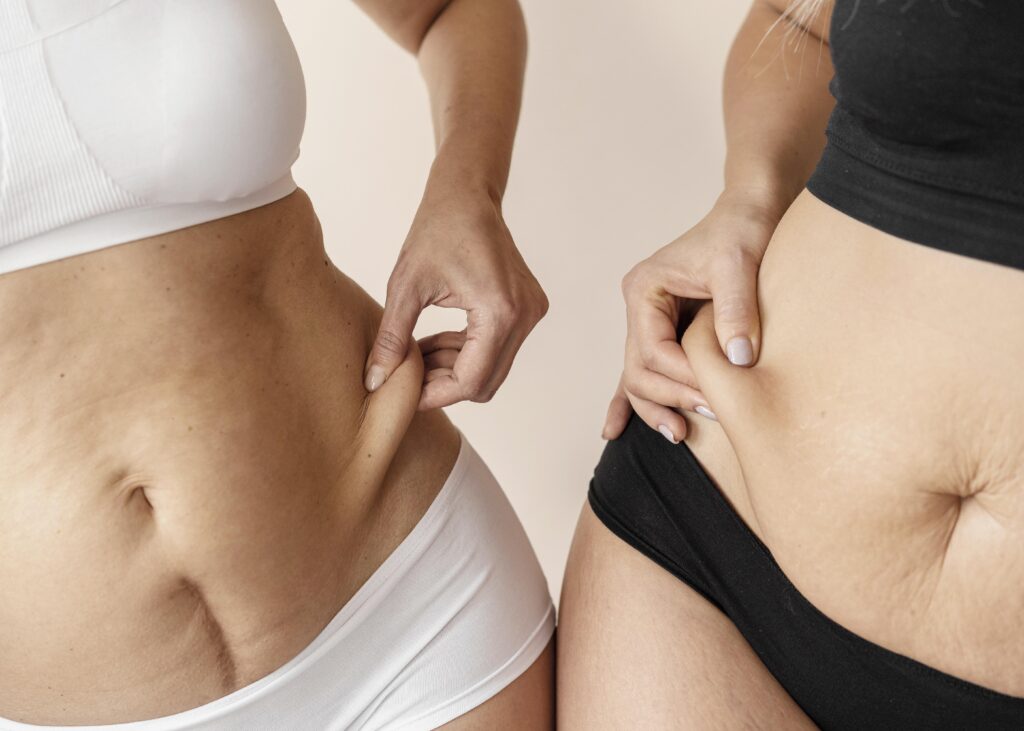
During pregnancy, the abdomen stretches to accommodate a growing baby. Skin expands, connective tissue thins, and the abdominal muscles shift outward. One of the most common outcomes is diastasis recti. It is a condition where the abdominal muscles separate and don’t fully return to their original position after delivery.
Common post-pregnancy abdominal changes include:
• Loose or stretched skin that doesn’t tighten naturally.
• A persistent lower-belly bulge despite weight loss.
• Reduced core strength and stability.
• Muscle separation affects posture and balance.
These changes vary from woman to woman. Genetics, number of pregnancies, age, and skin elasticity all play a role. Importantly, even women who maintain a healthy lifestyle may experience changes that are structural rather than lifestyle-related.
2. Why Some Women Consider a Tummy Tuck
When natural recovery reaches its limit, some women begin exploring surgical options to understand what realistically addresses lingering abdominal changes. This is where conversations around a tummy tuck in Kansas City or Overland Park often begin.
Well, these days, women are more aware than ever. Hence, they discuss their goals, particularly with experienced providers such as Ascentist Plastic Surgery, where evaluations focus on abdominal structure rather than surface appearance alone. Instead of being about aesthetics only, this consideration is usually rooted in function, comfort, and long-term stability.
That said, let’s know about the prominent advantages of the procedure!
A. Restoring Abdominal Muscle Support
As we’ve discussed above, one of the most significant post-pregnancy changes is abdominal muscle separation. When the muscles remain apart, the core can feel weak or unstable even after months of targeted exercise. This lack of internal support often affects everyday movements such as lifting, bending, or maintaining balance.
A tummy tuck addresses this by repairing and tightening the separated muscles, helping re-establish a stable core foundation. For many women, this structural correction provides a sense of internal strength that exercise alone could not restore. This, as a result, makes daily activities feel more controlled and less physically taxing.
B. Addressing Excess Skin That Doesn’t Respond to Exercise
Skin stretched during pregnancy does not always regain its original elasticity. Even with weight loss and fitness routines, loose skin may remain—especially in the lower abdomen. This can lead to:
• Physical discomfort,
• Difficulty finding comfortable clothing, or
• Irritation caused by skin folds.
By removing excess skin, a tummy tuck helps create a smoother abdominal surface and reduces friction or discomfort during movement. For women who feel limited by skin laxity rather than body weight, this aspect of the procedure often addresses a concern that lifestyle changes simply cannot resolve.
C. Improving Core Strength, Posture, and Daily Comfort
A weakened abdominal wall can affect posture by forcing other muscle groups—such as the lower back—to compensate. Over time, this imbalance may contribute to back pain, fatigue, or difficulty maintaining proper alignment during routine activities.
By restoring muscle alignment and abdominal tension, a tummy tuck can improve postural support and overall body mechanics. Many women find that standing, sitting, and engaging in light physical activity feel more comfortable once core stability is improved.
D. Creating Long-Term Stability After Physical Changes Have Settled
Unlike short-term or surface-level solutions, a tummy tuck addresses structural changes directly. When performed after weight has stabilised and family planning is complete, results are generally long-lasting.
This long-term aspect is often appealing to women who want a definitive solution rather than ongoing frustration. The goal is not constant maintenance, but a stable outcome that reflects the body’s post-pregnancy reality—allowing women to move forward without repeatedly revisiting the same concerns.
To Sum It All Up
Post-pregnancy abdominal changes are common and completely normal. For some women, time and lifestyle adjustments are enough. For others, structural changes affect comfort, function, or confidence in ways that don’t resolve on their own.
Understanding why these changes occur helps explain why some women look into tummy tucks—not as a shortcut, but as a considered response to lasting physical changes. When approached thoughtfully and with professional guidance, the decision becomes less about appearance and more about restoring balance, strength, and comfort.


