
Whale watching is an unforgettable experience, especially for people seeing these animals in the wild for the first time. Watching massive whales rise from the ocean creates excitement, but it also comes with responsibility. Safety, timing, and knowledge all play a major role in making the experience meaningful and respectful to marine life.
Kona sits on the western coast of Hawaii’s Big Island and is known for its calm waters and clear ocean views. The area attracts visitors year-round because of its warm climate and rich marine ecosystem.
During certain months, humpback whales migrate close to shore, making the region a popular viewing spot. This is why whale watching tours near Kona are best done with experienced guides who understand the local waters and wildlife behavior.
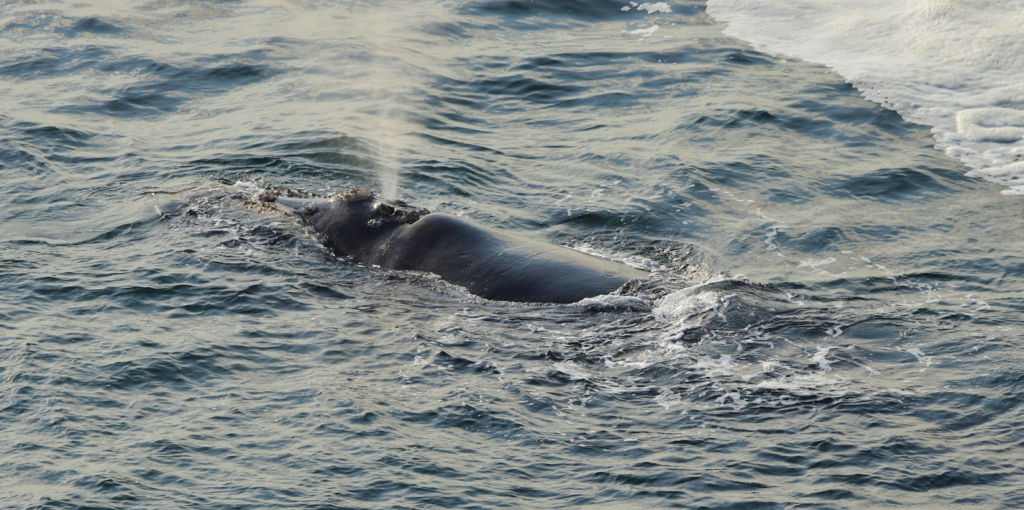
Understanding Whale Behavior Matters
Whales are not predictable animals. They surface, dive, and move based on feeding, resting, or social patterns. Without proper knowledge, it is easy to misjudge their behavior.
• Guided tours help visitors:
• Recognize signs of whale activity
• Understand when whales are resting or active
• Avoid actions that may disturb them
This awareness helps protect whales while allowing people to enjoy the experience responsibly.
Safety on the Water Is a Priority
The ocean can change quickly. Weather, currents, and visibility can shift without much warning. For visitors unfamiliar with local conditions, this can be risky.
Professional guides are trained to:
• Navigate local waters safely
• Monitor weather conditions
• Keep a safe distance from whales
Their experience reduces risk and ensures everyone stays safe throughout the tour.
Following Marine Wildlife Laws
Hawaii has strict regulations to protect whales. These laws control how close boats can get and how long they can remain near whales.
Guided tours follow these rules carefully by:
• Maintaining legal viewing distances
• Avoiding sudden movements or noise
• Respecting whale migration paths
Visitors may not know these rules on their own, which makes guided tours important for legal and ethical reasons.
Better Chances of Seeing Whales
Finding whales is not always easy. They can move across large areas of ocean and may stay underwater for long periods.
Guides increase the chances of sightings by:
• Knowing seasonal whale patterns
• Using observation skills developed over years
• Communicating with other boats when needed
This experience saves time and frustration, especially for visitors on short trips.
Educational Value for Visitors
Guided tours offer more than just viewing. They also provide learning opportunities that deepen the experience.
During tours, guides often explain:
• Whale migration habits
• Differences between whale species
• Why whales choose Kona waters
This knowledge helps visitors appreciate what they are seeing instead of simply watching from a distance.
Respectful Viewing Protects Whales
Uncontrolled boat traffic can stress whales. Loud noises and close approaches may disrupt their natural behavior.
Guided tours focus on respectful viewing by:
• Limiting time spent near whales
• Keeping engines quiet when possible
• Observing without chasing or crowding
This approach helps whales remain calm and undisturbed during their migration.
Local Knowledge Improves the Experience
Local guides understand Kona’s coastline, ocean depths, and viewing spots. This knowledge comes from years spent on the water.
It helps guides:
• Choose routes with higher whale activity
• Avoid areas with rough conditions
• Adjust tours based on daily changes
This local insight creates a smoother and more enjoyable experience for visitors.
Support for Conservation Efforts
Many guided tours work closely with conservation groups. Some collect data that helps researchers study whale behavior and migration.
By joining a guided tour, visitors often support:
• Marine research programs
• Educational outreach
• Long-term whale protection efforts
This adds purpose to the experience beyond sightseeing.
Ideal for First-Time Whale Watchers
For people new to whale watching, guided tours remove uncertainty. Visitors do not need to plan routes, manage safety, or guess where whales might appear.
A guided experience allows first-time visitors to:
• Relax and enjoy the moment
• Learn while observing
• Feel confident they are doing things the right way
Whale watching tours near Kona offer structure and support that make the experience accessible to everyone. Guided whale watching is not just about seeing whales. It is about understanding, respect, and safety. Near Kona, experienced guides help turn a simple outing into a responsible and memorable encounter with marine life.
Key Takeaways
• Guided tours protect both people and whales.
• Local guides understand whale behavior and ocean conditions.
• Legal viewing rules are followed carefully.
• Educational insights add meaning to the experience.
• Responsible tours support conservation.