
Skin irritation can appear as redness, dryness, or sensitivity, and it often feels uncomfortable. Harsh products, weather changes, or even overuse of active ingredients can make the problem worse. The most effective way to calm irritated skin is to use gentle, skin-friendly ingredients that soothe, hydrate, and support the skin’s natural barrier.
A calm approach matters because aggressive treatments often strip the skin and delay recovery. Ingredients like aloe vera, niacinamide, and hyaluronic acid help reduce redness, add moisture, and restore balance without causing more irritation. Therefore, choosing the right products makes a noticeable difference in how quickly skin feels and looks better.
This guide explains simple steps to reduce irritation and highlights the best ingredients for calming sensitive skin. By focusing on what helps instead of what harms, anyone can build a routine that supports healing and keeps the skin barrier strong.
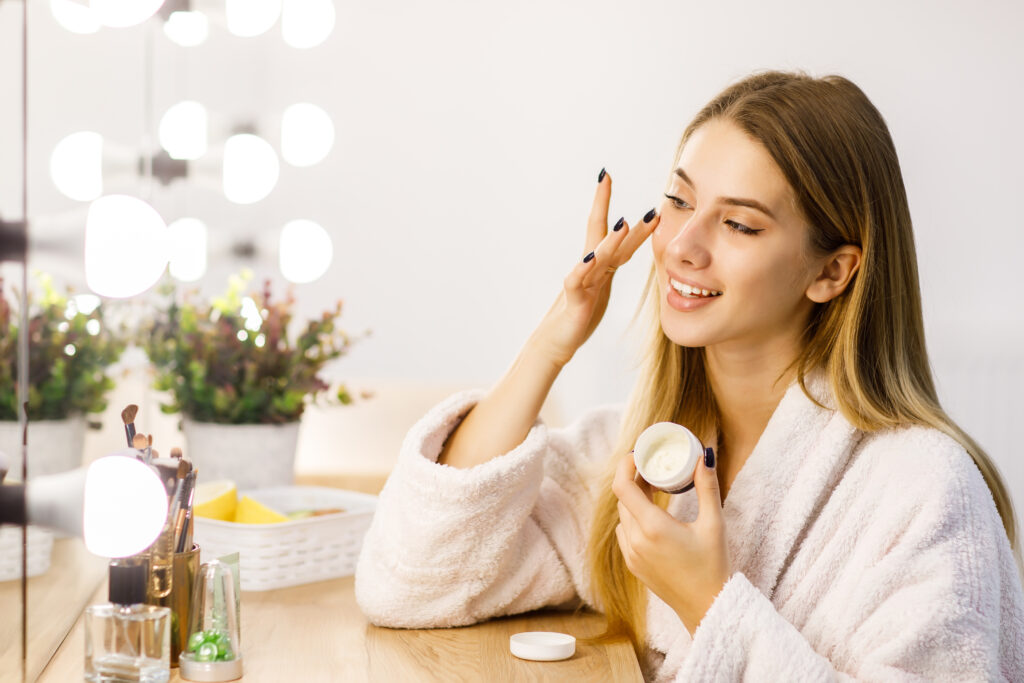
Basic Steps to Soothe Irritated Skin
Skin irritation often stems from a mix of personal triggers, product reactions, and environmental stress. Relief comes from identifying root causes, applying calming methods, and using products that respect the skin barrier. Careful steps can reduce redness, dryness, and discomfort while helping the skin return to balance.
Identify Your Skin Type and Triggers
Different skin types react in unique ways. Dry skin may peel or itch, while oily skin can feel inflamed or congested. Sensitive skin often stings or turns red after contact with certain products. Recognizing these differences helps narrow down what irritates the skin most.
Common triggers include fragrance, alcohol-based products, over-exfoliation, and long exposure to the sun or wind. Lifestyle factors such as poor sleep, stress, or diet sensitivities also contribute. Keeping a simple journal of flare-ups can help connect patterns between activities, foods and reactions.
It is also helpful to review product ingredient lists. For example, products with added fragrance, dyes, or harsh acids may worsen irritation. Switching to fragrance-free and alcohol-free options often makes a noticeable difference.
Those who struggle with frequent irritation may benefit from gentle, skin-friendly products such as those offered by Elire. Choosing items designed for sensitive skin reduces the risk of repeated flare-ups.
Immediate Relief Techniques
Quick relief methods can calm the skin before long-term adjustments take effect. A clean, cool compress placed on the irritated area helps reduce redness and swelling. Short, lukewarm showers are better than hot water, which strips natural oils and worsens dryness.
Aloe vera gel or a lightweight, fragrance-free moisturizer can soothe itching and discomfort. Colloidal oatmeal lotions also provide a calming effect for inflamed skin. These options hydrate without clogging pores or adding unnecessary irritation.
It is best to avoid scratching or rubbing the area, as this can break the skin barrier and invite infection. Instead, gentle patting with a soft towel after cleansing reduces friction.
For those with severe or persistent irritation, professional guidance from a dermatologist may be needed. Over-the-counter hydrocortisone cream may also help in short-term cases, but it should not replace medical advice.
Gentle Cleansing and Moisturising
A mild routine supports healing and protects the skin barrier. Harsh cleansers with sulfates or strong acids strip natural oils and leave the skin more vulnerable. A non-foaming, pH-balanced cleanser is usually a safer choice for sensitive or irritated skin.
Moisturising immediately after cleansing locks in hydration. Creams with ceramides, hyaluronic acid, or glycerin help restore moisture balance. Applying moisturizer while the skin is still slightly damp improves absorption and comfort.
It is best to avoid layering too many active ingredients during recovery. Retinoids, exfoliating acids, or strong vitamin C serums can wait until the skin feels stable again. A simple cleanser and moisturiser routine often works better in the short term.
Consistency matters more than variety. Sticking to a gentle routine allows the skin to repair itself without further stress. Over time, this reduces flare-ups and helps maintain healthier skin.
Patch Testing and Allergy Precautions
Before adding a new product, patch testing prevents unexpected reactions. Apply a small amount of the product on the inner arm or behind the ear. Leave it for 24 to 48 hours and watch for redness, itching, or swelling.
If irritation develops, the product should not be used on the face or body. This step saves time, money, and discomfort by avoiding unsuitable products.
For those with known allergies, reading ingredient labels is important. Even natural ingredients can cause reactions in sensitive individuals. For example, essential oils may trigger redness or itching in some people.
It is also smart to introduce one new product at a time. This makes it easier to identify what works and what causes irritation. Careful testing and gradual use create a safer path toward calmer, more balanced skin.
Best Gentle, Skin-Friendly Ingredients for Calming Irritation
Certain ingredients calm redness, reduce inflammation, and help the skin barrier recover. Natural extracts, soothing oils, and barrier-supporting compounds can reduce discomfort while keeping the skin moisturised and protected.
Aloe Vera and Aloe Vera Gel
Aloe vera has a long history in skin care because of its cooling and soothing effect. The gel inside the leaf contains glycoproteins that reduce redness and discomfort, along with polysaccharides that support skin repair. This makes aloe vera useful for sunburn, rashes, and general irritation.
Aloe vera gel also provides lightweight hydration without clogging pores, so it works well for oily or acne-prone skin. It is non-comedogenic and safe for most skin types, though people with plant allergies should test it first.
For best results, aloe vera gel should come from whole-leaf or cold-processed sources. This method keeps its natural compounds intact. A thin layer applied to clean skin can calm flare-ups and support wound healing.
Oatmeal and Oatmeal Baths
Colloidal oatmeal, made by grinding oats into a fine powder, is often used to calm irritated or itchy skin. It contains compounds called avenanthramides, which have anti-inflammatory and antioxidant properties that reduce redness and itching.
Oatmeal also acts as a skin protectant. It forms a light film on the surface that locks in moisture and shields against environmental triggers. This barrier effect makes it especially helpful for eczema, dry patches, and sensitivity caused by harsh cleansers.
Oatmeal baths are a simple home remedy. Adding colloidal oatmeal to lukewarm bathwater can relieve discomfort from rashes, sunburn, or flare-ups. People with oat allergies, however, should avoid it.
Honey, Coconut Oil and Shea Butter
Honey is a natural humectant, which means it draws water into the skin. It also has mild antibacterial properties that may help with minor wounds or breakouts without causing irritation. Raw honey applied as a thin layer can calm dry or inflamed areas.
Coconut oil is rich in fatty acids that soften skin and support barrier repair. It is best for dry or flaky skin, though some people with acne-prone skin may find it too heavy. Choosing virgin, unrefined coconut oil reduces the chance of irritation.
Shea butter provides deep moisture and helps smooth rough patches. Its high content of fatty acids and antioxidants makes it effective for dry, sensitive, or eczema-prone skin. Together, these three ingredients improve hydration and comfort.
Chamomile, Green Tea, and Antioxidant Botanicals
Chamomile has natural anti-inflammatory compounds that reduce redness and calm sensitive skin. Chamomile tea or extract can be applied topically to soothe irritation from conditions like eczema or mild rashes.
Green tea contains antioxidants such as epigallocatechin gallate (EGCG), which help reduce inflammation and protect against environmental stress. Green tea extract in skincare products may also support collagen health and reduce redness linked to acne or rosacea.
Other antioxidant-rich botanicals, such as liquorice root or grape seed extract, provide similar calming benefits. These plant-based ingredients target free radicals while easing irritation, making them useful for skin prone to flare-ups.
Niacinamide, Ceramides, and Glycerin
Niacinamide, a form of vitamin B3, supports the skin barrier by reducing water loss and calming inflammation. It helps with redness, sensitivity, and uneven tone. At the same time, it is gentle enough for daily use on most skin types.
Ceramides are natural lipids found in the outer layer of the skin. They strengthen the barrier, reduce dryness, and protect against irritants. Products with added ceramides are especially helpful for eczema and chronic dryness.
Glycerin is a humectant that attracts water to the skin, keeping it soft and hydrated. It works well with niacinamide and ceramides in moisturizers, creating a balanced formula that restores comfort and prevents further irritation.
Gentle ingredients like aloe vera, chamomile, and niacinamide can calm redness and support skin recovery. These options help protect the skin barrier without adding extra stress.
Avoiding harsh cleansers, strong acids, or heavy fragrances also reduces the chance of flare-ups. A simple routine focused on hydration and soothing agents often works best.
By choosing mild, skin-friendly products, people can ease irritation and maintain healthier skin over time.