Protecting your home from water damage is not just about responding to leaks and floods - it's about creating comprehensive defence systems that work together to keep your property safe and dry.
From efficient drainage solutions to basement waterproofing, and from regular plumbing inspections to properly maintained sump pumps, there are multiple layers of protection you can put in place to prevent costly water damage and maintain your home's structural integrity for years to come.


Preventing Water Intrusion with Efficient Drainage Systems
A typical 2,000-square-foot roof can collect an astounding 1,250 gallons of water during just a 1-inch rainfall. Without proper drainage systems, this massive amount of water can quickly become a serious threat to your home's structure, leading to costly repairs and long-term damage.
Installing and maintaining effective drainage components helps create a strong defence against water damage.
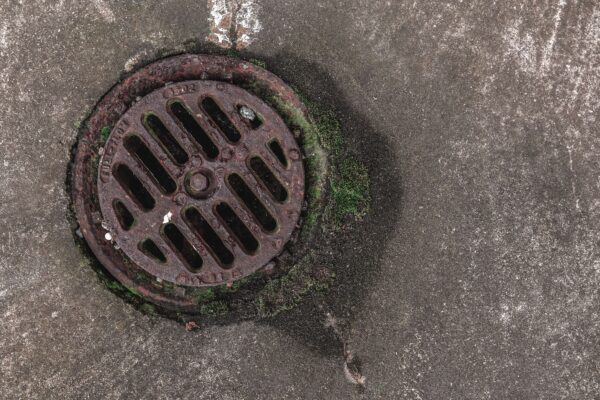
Your home's drainage system works as an integrated network to channel water away from your foundation and prevent basement flooding.
Adding a high-quality foundation sealant provides an extra layer of protection against water infiltration.
This barrier helps prevent moisture from seeping through your foundation walls, especially in areas where soil tends to retain water.
Regular inspection of these systems, particularly after severe weather events, helps catch potential issues before they develop into serious problems.
To Do: Regularly inspect the soil around your home for signs of erosion or excess moisture build-up and address any issues promptly to maintain proper drainage flow.
Key Role of Sump Pumps in Safeguarding Against Floods
Basements in the United States will experience some type of water damage during their lifetime, making sump pumps an essential defence mechanism.
These powerful devices serve as the first line of protection by automatically pumping out excess water that collects in the basement's sump pit.
A properly functioning sump pump system can remove hundreds of gallons of water per hour, significantly reducing the risk of flood damage and costly repairs.
The effectiveness of a sump pump depends on proper installation and regular maintenance.
Positioning the pump at the lowest point of your basement allows it to efficiently collect and remove water before it can cause serious problems.
A reliable backup power source, like a battery system, ensures continuous operation even during power outages when flooding is most likely to occur.
Beyond basic maintenance, homeowners should consider installing a water alarm near their sump pump.
This device provides early warning of rising water levels or pump failure, giving you precious time to address issues before they escalate into major problems.
A small investment in prevention can save thousands in potential water damage repairs and protect your home's foundation for years to come.

The Necessity of Regular Plumbing Inspections
Small, undetected leaks can waste up to 90 gallons of water per day, leading to significant structural damage and heightened utility bills.
Proactive plumbing maintenance is key to protecting your home from costly water-related issues.
Many warning signs of potential problems can be spotted during routine checks, including dripping faucets, slow drains, or unusual sounds in your pipes. Learn about seasonal plumbing maintenance to catch these early indicators before they develop into major concerns.
Here's what to look for during your regular plumbing inspections:
• Water pressure changes in faucets and showerheads
• Discoloration or water stains on walls and ceilings
• Musty odours that might indicate hidden moisture
• Loose or damaged pipe connections under sinks
• Signs of corrosion on visible pipes
Creating a detailed checklist for each inspection ensures nothing gets overlooked. Keep records of any repairs or replacements, including dates and specific issues addressed.
This documentation helps track patterns and recurring problems, making it easier to identify potential systematic issues that might need professional attention.
By maintaining regular inspections, you're not just protecting your home—you're also preserving its value and ensuring the safety of your family.
Expert Tip: Check exposed pipes in basements or crawl spaces for condensation or unusual dampness, as these can indicate minor leaks that may worsen over time. Addressing these early can prevent costly structural damage and potential mould growth.
Benefits of Waterproofing Basements and Crawl Spaces
A well-protected basement acts as the foundation's first line of defence, keeping your living spaces dry and structurally sound.
The presence of excess moisture can lead to serious problems like wood rot, compromised structural integrity, and hazardous mould formation.
Modern waterproofing techniques combine multiple protective layers to create an impenetrable barrier against water infiltration.
These solutions work together to prevent both exterior water seepage and interior condensation, maintaining optimal humidity levels throughout your lower living spaces.
Interior sealants have emerged as a crucial component in comprehensive waterproofing systems.
These advanced compounds penetrate deep into concrete surfaces, forming a chemical barrier that blocks moisture while still allowing the material to breathe.
By incorporating both external barriers and interior treatments, homeowners can create a multi-layered defence system that ensures long-lasting protection against water damage.
The financial benefits of basement waterproofing extend beyond immediate repair cost savings. A dry basement can reduce heating and cooling expenses by eliminating excess humidity that forces HVAC systems to work harder than necessary.
Bonus: For added protection, installing a sump pump with a battery backup can help safeguard your basement during heavy rainstorms or unexpected power outages, ensuring continuous water removal even in emergencies.
Water damage prevention is a crucial aspect of home maintenance that requires a comprehensive approach, from maintaining drainage systems to installing sump pumps and conducting regular plumbing inspections.
By implementing these protective measures and staying vigilant with maintenance routines, homeowners can save thousands in potential repair costs while ensuring their property remains safe and structurally sound.
The peace of mind that comes from knowing your home is well-protected against water damage is invaluable, making the investment in prevention strategies not just a practical choice, but a smart long-term decision for your family's wellbeing.