
Coffee is more than just a morning pick-me-up. It's a routine for many and a source of comfort, energy, and a brief dose of pleasure. But with so many types of coffee available, choosing the right one can be surprisingly confusing.
Whether it's the fruity flavor of light roast, the depth of dark roast, or the smoothness of cold brew, each type has its own unique flavor. In addition to its flavor, coffee also contains caffeine, antioxidants, and natural compounds that could have some health benefits.
Let's take a look at some popular types of coffee, the potential health benefits, and how to determine which brew is right for you and your lifestyle.
What Determines the Type of Coffee?
Not all coffee tastes or feels the same. Several factors influence its flavor, strength, aroma, and caffeine content.
Coffee Bean Variety: Arabica and Robusta are two of the most commonly used coffee varieties. Arabica is typically a smoother and more complex coffee; Robusta is usually a bolder-tasting coffee with a higher caffeine level.
Roast Level: Light, medium, and dark roasts develop different flavor characteristics. Dark roasts may have deeper roasted flavors, while light roasts can have brighter and fruitier flavors.
Brewing Method: Espresso machines, French presses, drip coffee makers, and cold brewing methods extract coffee compounds differently. This impacts the taste, texture, and strength of the drink.
Added Ingredients: Milk, cream, sugar, syrups, and other flavorings can change a coffee's nutritional profile. A black coffee usually has little to no calories, while specialty drinks with sugar additives can have more calories.
Understanding these differences makes it easier to choose coffee based on your personal preferences.
Popular Types of Coffee and Their Potential Benefits
Coffee comes in different varieties, each offering a unique experience. Here are the 8 popular types of coffee and their potential benefits.
Mushroom Coffee
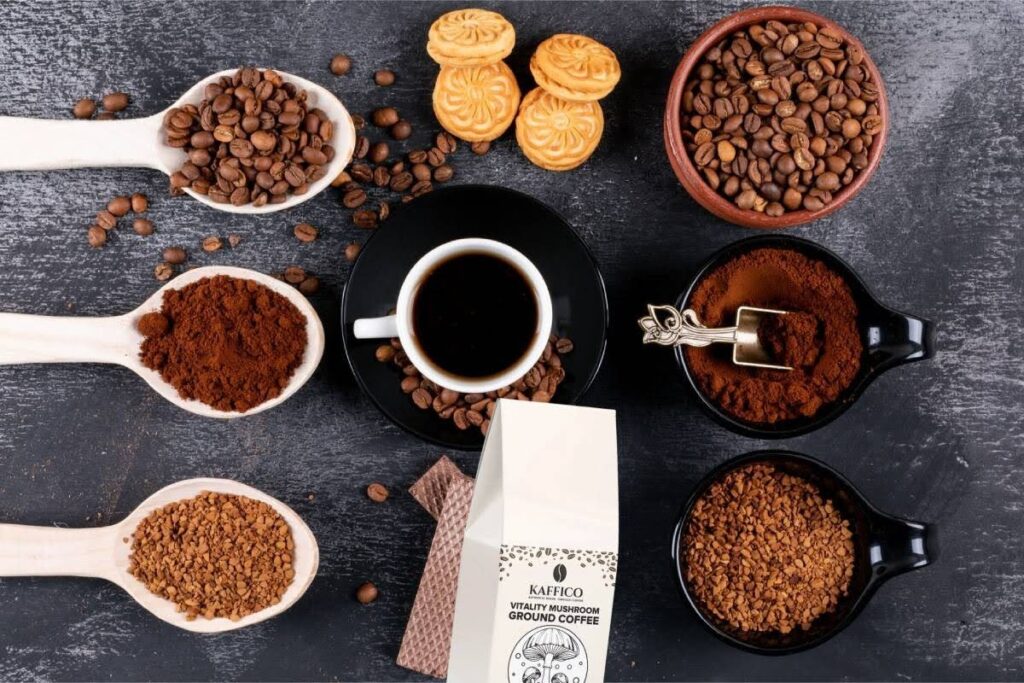
Mushroom coffee is made by adding extracts of mushrooms like lion's mane, reishi, or chaga to regular coffee. Products like Kaffico Vitality Mushroom Coffee contain antioxidants and may support overall health depending on the ingredients. Some mushroom varieties also contain bioactive compounds being studied for their potential role in cognitive health and immune function.
Flavored Coffee
It is a coffee mixed with other flavors, for example, hazelnut, vanilla, caramel, or chocolate. It's a better option for people who aren't a big fan of coffee flavor. Unsweetened varieties provide coffee's natural antioxidants without the extra sugar commonly found in flavored syrups.
Instant Coffee
Dried coffee, known as instant coffee, is brewed coffee dried into soluble granules or powder. Easy to make, it requires no special equipment and is convenient. It has the same caffeine and antioxidants as traditional coffee and can provide benefits for alertness and well-being.
Decaffeinated Coffee
Decaf coffee is made by a process that strips away most of the caffeine from the original coffee beans, but leaves the rest of the flavor. It still has health-promoting plant compounds, such as antioxidants. It is recommended for individuals who like coffee but are looking to reduce any adverse side effects of caffeine, like restlessness or difficulty sleeping.
Hemp Coffee
Hemp coffee is a blend of coffee and hemp products like hemp seeds or hemp protein. May contain other nutrients, such as plant protein and good fats, depending on formulation. For those seeking to delve into specialty coffee blends that offer distinct nutritional profiles, it's an intriguing choice.
Espresso
Espresso is a dark and strong brew of coffee that is made by forcing hot water through finely ground coffee beans at high pressure. It has a rich taste and is a small portion, so it is popular. Caffeine can temporarily boost concentration, alertness, and energy levels; however, this will vary from person to person based on tolerance.
Cold Brew Coffee
Cold brew coffee is made by steeping ground coffee in cold or room-temperature water for some hours. This method can yield a smooth, mellow taste without the sharp acidity that is noticeable in other methods. It may be enjoyed by those who dislike the hot, spicy taste of coffee.
Cappuccino
Cappuccino combines espresso, steamed milk, and a layer of thick milk foam for a creamy texture. It also contains protein and calcium when made with dairy milk, and it also contains caffeine, which can help to make you more alert.
Potential Health Benefits of Coffee
Most people drink coffee for its taste, but it can also have some health benefits when used in moderation. Some are listed below:
Energy and Mental Alertness
Caffeine is a stimulant that works by blocking the action of adenosine, a chemical that makes people feel sleepy. Resulting in increased alertness, attention, and reaction time.
Natural Antioxidants
Coffee is rich in polyphenols and other antioxidant substances that combat oxidative stress. These are chemicals that are being looked at for their role in long-term health.
Physical Performance
Caffeine can help increase endurance and decrease the feeling of exertion during exercise. That's why it's a popular pre-workout drink for some physically active adults.
Long-Term Metabolic Health
Frequent coffee drinking is associated with reduced risk of type 2 diabetes. But the results are not proof that coffee prevents the disease in the first place.
Liver Health
There have also been some connections between coffee drinking and a reduced likelihood of some liver issues. Scientists are still studying which compounds in the coffee could be responsible for these benefits.
How to Choose the Right Type of Coffee
There are so many varieties of coffee on the market that it becomes a matter of personal taste, lifestyle, and the amount of caffeine you need in your day. Before you pick your next pot of coffee, here are a few factors to keep in mind.
- If you enjoy strong, bold flavors, espresso may be a good choice. If you prefer something creamier and smoother, opt for cappuccino or flavored coffee.
- Regular coffee and espresso may improve alertness; decaffeinated coffee is better if you want to minimize your caffeine intake.
- Coffee is a natural source of antioxidants that can help with overall wellness; mushroom coffee and hemp coffee provide other plant-based ingredients.
- For a quick and easy morning drink, instant coffee is perfect, while cold brew is great for a refreshing, chilled coffee.
- Select a coffee that uses high-quality beans and has ingredients clearly listed. If you like your coffee flavored, try those that don't have too much added sugar and artificial ingredients, according to Consumer Health Digest.
Possible Side Effects of Drinking Coffee
If you drink coffee in moderation, it can be a healthy drink to have every day. Caffeine, however, can produce side effects like anxiety, restlessness, headaches, and insomnia if taken in excess.
Also, coffee late in the day may disrupt sleep, and a sudden decrease in normal coffee consumption can result in withdrawal symptoms like headaches and fatigue. Most healthy adults can safely consume up to 400mg of caffeine a day, according to the U.S. Food and Drug Administration (FDA). Individual tolerance is variable, however, so use it in a measured manner.
Tips for Making Your Coffee Healthier
A few simple changes can make your daily coffee healthier without compromising on taste.
- Limit Added Sugar: Avoid excessive sugar, syrups, and sweetened creamers.
- Choose Quality Beans: Opt for fresh, high-quality coffee beans with better flavor.
- Try Healthier Milk Options: Use low-fat milk or unsweetened plant-based alternatives.
- Monitor Caffeine Intake: Drink coffee in moderation to avoid unwanted side effects.
- Avoid Late-Night Coffee: Enjoy coffee earlier in the day to prevent sleep disturbances.
These small habits can help you enjoy coffee as part of a balanced lifestyle.
Frequently Asked Questions
1. Which type of coffee is the healthiest?
Unsweetened black coffee is often a practical choice because it contains very few calories and provides naturally occurring antioxidants. However, other coffee types can also fit into a healthy diet.
2. Is espresso healthier than regular coffee?
Espresso and regular brewed coffee contain many of the same beneficial compounds. Their caffeine concentration and serving sizes differ, so neither is automatically healthier than the other.
3. Can I drink coffee every day?
For most healthy adults, moderate daily coffee consumption is generally considered safe. The appropriate amount depends on caffeine tolerance, health conditions, and other dietary sources of caffeine.
4. Does decaf coffee have health benefits?
Yes. Decaffeinated coffee retains many natural coffee compounds, including antioxidants. It may be suitable for people who want to enjoy coffee while limiting caffeine.
5. Is cold brew coffee better for the stomach?
Cold brew often tastes smoother and may have lower titratable acidity than some hot-brewed coffees. However, it can still trigger digestive discomfort or reflux in sensitive individuals.
Conclusion
Coffee comes in a variety of forms, each with a different taste. Whether you prefer espresso for a strong, deep kick, cold brew for its smooth texture, or latte for the rich and creamy finish, there's something for almost every coffee lover.
In addition to its taste, coffee also has natural compounds that could potentially aid alertness, physical performance, and health when consumed in moderation.
It's all about the bean quality, keeping an eye on the caffeine, and avoiding extra fillers. From classic black coffee to exploring a range of flavorful options, selecting a good cup of coffee can make your daily coffee habit both fulfilling and fun.
References:
- A review of caffeine's effects on cognitive, physical and occupational performance - PubMed: https://pubmed.ncbi.nlm.nih.gov/27612937/
- Best Mushroom Coffees for Focus and Productivity: Top Picks | Consumer Health Digest: https://www.consumerhealthdigest.com/nutrition/best-mushroom-coffees-for-focus.html
- International society of sports nutrition position stand: caffeine and exercise performance - PMC: https://pmc.ncbi.nlm.nih.gov/articles/PMC7777221/
- Spilling the Beans: How Much Caffeine is Too Much? | FDA: https://www.fda.gov/consumers/consumer-updates/spilling-beans-how-much-caffeine-too-much