
The immediate aftermath of a collision with a commercial semi-truck is a blur of confusion and extreme stress. Unlike typical fender-benders, these accidents involve massive vehicles and complex regulations that are difficult to navigate alone.
Many drivers are particularly confused by "no-fault" insurance laws, which simplify minor claims but often fall short after catastrophic damage. In places like Everett, local drivers must navigate specific rules regarding when to pursue a claim for serious injuries.
While no-fault systems provide quick medical coverage, a trucking incident frequently exceeds these basic limits. This guide explores when to seek professional legal representation to protect your future.
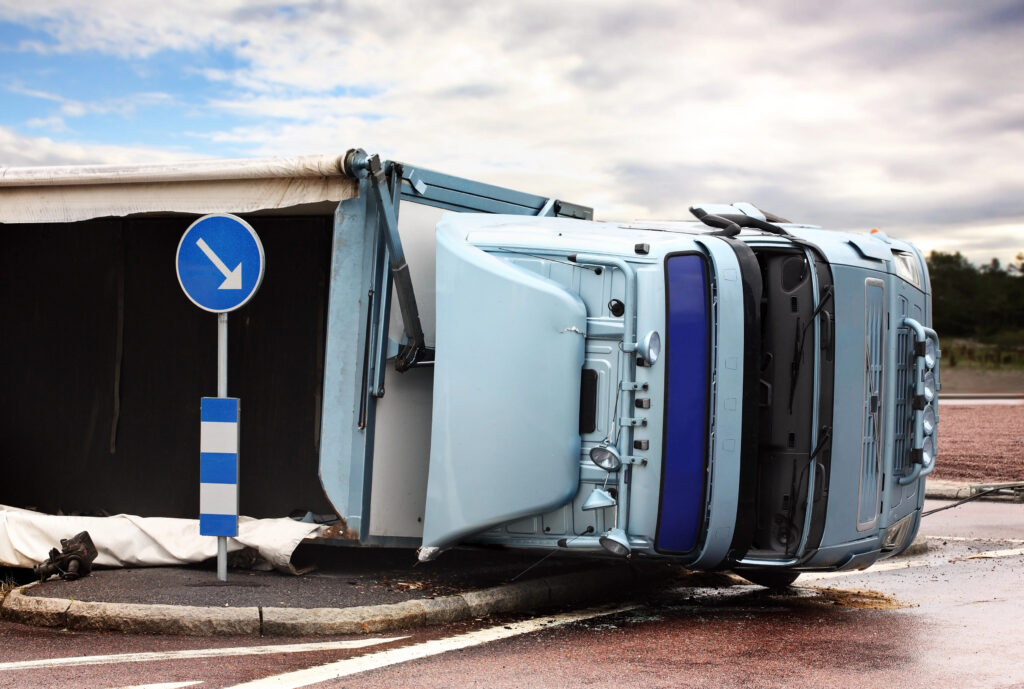
Understanding No-Fault Laws in Trucking Incidents
In a no-fault system, your own insurance provider typically pays for your initial medical bills and lost wages regardless of who caused the crash. However, this system is primarily designed for minor incidents, and the damage caused by an 80,000-pound truck almost always creates costs that far outstrip standard coverage.
When the bills start piling up beyond your policy limits, working with an experienced truck accident attorney in Everett is vital to understanding your rights beyond basic insurance. Consulting with the legal team at Park Chenaur Injury Lawyers ensures that you have a dedicated advocate who can determine if your case qualifies to step outside the no-fault system to pursue the trucking company directly. This step is essential when your medical needs require a level of financial support well beyond what a personal policy provides, ensuring you aren't left paying for someone else's negligence.
Identifying the "Serious Injury" Threshold
Most no-fault states have a "tort threshold," which is a legal barrier that prevents you from suing another driver unless your injuries meet a certain level of severity. Common criteria for bypassing this limit include permanent disability, significant scarring, or injuries that prevent you from working for an extended period.
Proving that your injuries meet this legal definition is often the most difficult part of a claim, as insurance adjusters frequently try to downplay the long-term impact of your trauma. A lawyer is needed to properly categorize your medical evidence and ensure that your injuries are legally recognized as "serious." Without this professional documentation, you may be stuck with a payout that doesn't even cover your initial hospital stay.
Dealing with Multiple Liable Parties
Truck accidents are rarely as simple as a car-versus-car crash because the driver is often not the only person who holds responsibility for the incident.
• The Trucking Company: They may be liable for negligent hiring, improper training, or pushing drivers to skip mandatory rest breaks.
• Cargo Loaders: Liability often falls on the crew if an uneven or poorly secured load causes the truck to tip or lose control.
• Maintenance Contractors: Potential blame exists if a mechanical failure, such as faulty brakes, was the direct cause of the collision.
• Parts Manufacturers: Liability can extend to the manufacturer if a defective part led to a catastrophic equipment failure on the road.
A lawyer’s investigation is required to identify every party involved to ensure you receive full compensation for your losses. Investigating these different layers of liability is the only way to uncover the true cause of the crash.
When Insurance Settlements Fall Short
Personal injury protection (PIP) limits in no-fault states are often capped at relatively low amounts, such as $10,000 or $50,000, which can be exhausted in a single day of intensive care. Truck accident victims often face lifetime medical needs, ongoing physical therapy, or a permanent loss of earning capacity that standard insurance simply will not cover.
Legal counsel uses expert testimony and accident reconstruction to fight for a settlement that reflects the true, long-term cost of your recovery. Having a professional negotiator on your side ensures that the insurance company takes your future needs into account rather than just your current bills. This proactive approach prevents you from being left with massive out-of-pocket expenses years down the line.
Conclusion
While no-fault laws provide a starting point for medical care, they are rarely enough to cover the devastating aftermath of a major truck accident. Early legal intervention is the best way to preserve evidence and ensure that all liable parties are held accountable for their negligence. Taking the time to seek a professional evaluation ensures that you aren't leaving essential compensation on the table while trying to recover. Ultimately, the goal is to secure the resources you need to heal without the added burden of financial ruin. Protecting your rights today ensures a much more stable and secure recovery for your tomorrow.