In Seattle, WA, bathrooms deal with constant moisture. Showers run daily. Windows stay closed during long rainy seasons. Over time, that damp air takes a toll on bathroom surfaces, especially bathtubs. Many homeowners ignore early warning signs because the tub still “works.” It still holds water. It still drains. But small issues like hairline cracks, dull finishes, and hidden leaks often point to bigger trouble ahead.
If your bathtub looks worn, feels uncomfortable, or requires constant cleaning just to look decent, it may be nearing the end of its useful life. Replacing a tub is not just about appearance. It affects safety, maintenance, and long-term home value. Here are the first signs you should not ignore.
An Outdated Look That Bothers You
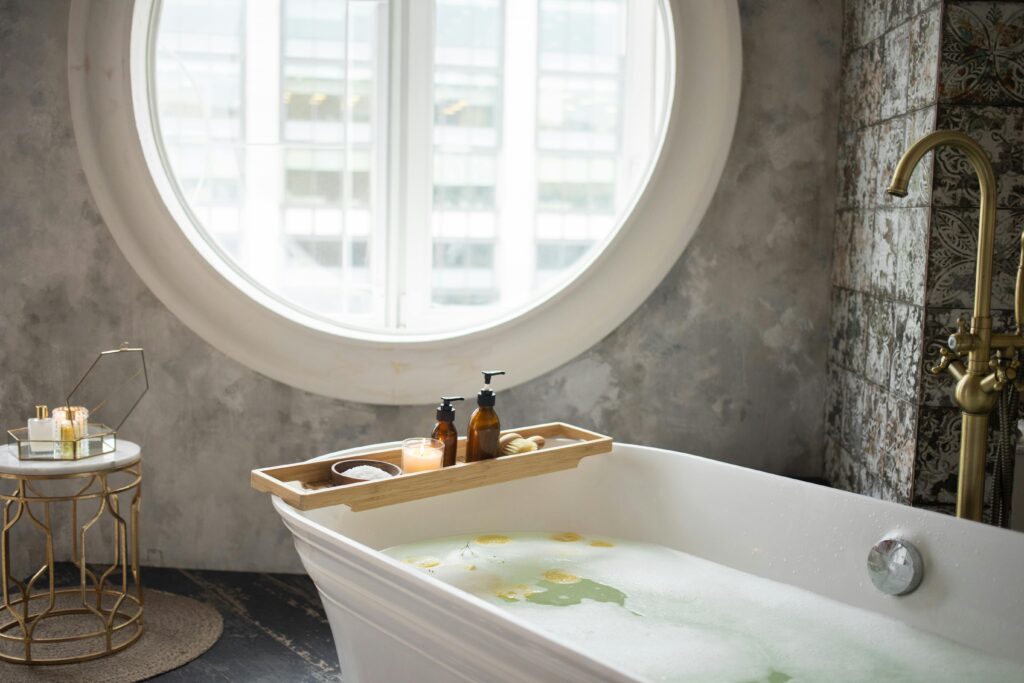
Design trends change, but comfort matters more than style. If the rest of your bathroom looks updated and your tub looks stuck in another decade, it can affect how you feel about the space. Old tubs often have bulky shapes, faded finishes, or discolored walls around them.
An outdated tub can also make the entire bathroom feel smaller or darker. Modern designs focus on cleaner lines and easier access. Even small upgrades in shape and layout can improve how the room functions each day. Many homeowners explore options with companies like Bath Center of Seattle when they want a tub that matches a refreshed bathroom design. When you start planning updates around an old tub instead of replacing it, that is a clear sign it may no longer fit your needs or your home.
Small Cracks That Spread Over Time
A tiny crack in your bathtub may not seem urgent. Many people assume it is only cosmetic. The problem is that cracks rarely stay small. With daily use, weight and temperature changes cause them to widen. Water can seep through those openings and settle beneath the surface. In Seattle’s damp climate, trapped moisture does not dry quickly. That can weaken the area around the tub and even affect nearby flooring.
You might try patching the crack with a repair kit, but these fixes often wear down after months of regular use. If you notice the same crack reopening or new ones forming, your tub may be breaking down structurally. At that point, replacement makes more sense than repeated repairs.
Stubborn Stains That Never Look Clean
If you scrub your bathtub often but it still looks dirty, the surface may have worn down. Over time, protective coatings thin out. Once that happens, the material underneath absorbs stains more easily. Hard water buildup, soap residue, and daily use leave marks that no cleaner can fully remove.
Many homeowners respond by using stronger products. Harsh chemicals can dull the finish even more. The tub may start to look rough or uneven in color. When cleaning becomes harder each month, the issue is not your effort. It is the condition of the material itself. A fresh surface not only looks better but also makes routine cleaning simple again.
Mold That Keeps Coming Back
If you clean mold around your bathtub and it keeps returning, the problem may go deeper than surface grime. Mold grows where moisture lingers. Old tubs often have worn caulk lines, loose seams, or small gaps where water collects. Even if you wipe the area dry, moisture can stay trapped behind the wall or under the rim.
Repeated mold growth can signal that the seal around your tub has failed. You can reapply caulk, but if the surface underneath has shifted or deteriorated, mold will likely return. Mold does not just affect appearance. It can damage drywall and create unpleasant odors. When cleaning stops solving the issue, replacing the tub and properly resealing the area may offer a lasting fix.
Repair Costs That Keep Adding Up
A single repair may not seem expensive. However, small fixes can pile up over time. You might pay to refinish the surface, patch cracks, replace caulk, or address minor plumbing issues. Each repair extends the life of the tub for a while, but none of them restore it fully.
At some point, the total cost of repairs may approach the price of a replacement. It makes sense to step back and look at the bigger picture. If you call for service every year, your bathtub may have reached the end of its useful life. A new tub gives you a clean start and reduces the need for constant maintenance. Long term, that can save both time and stress.
Changing Needs in Your Household
Your bathroom should support your daily routine. As families grow or age, needs shift. A deep tub may work well for young children but become harder to step into later. High sides can increase the risk of slips, especially for older adults.
Some homeowners prefer walk-in showers for easier access and quicker cleaning. Others want features that improve safety, such as low thresholds or built-in seating. If your current tub no longer fits your lifestyle, that matters. Remodeling gives you a chance to choose a layout that works better for everyone in the home. Updating your bathtub is not only about style. It is about making the space safer and more practical.
Preparing Your Home for the Market
Bathrooms play a strong role in how buyers view a home. When someone walks into a bathroom, they look at cleanliness, condition, and overall upkeep. A stained, chipped, or outdated tub can leave the impression that the home needs work. Even if the rest of the space looks fine, an old tub can stand out.
Buyers often prefer bathrooms that feel fresh and easy to maintain. Replacing a worn tub before listing your home can improve first impressions. It also shows that you have kept up with maintenance. You do not need luxury features to make an impact. A clean, modern, and functional bathtub can help your home feel move-in ready.
A bathtub rarely fails overnight. Instead, it shows small warning signs that grow over time. Cracks, stains, leaks, mold, and rising repair costs all point to wear that simple fixes cannot solve.
If your tub no longer feels comfortable, looks worn despite cleaning, or requires frequent repairs, it may be time to consider replacement. Paying attention early allows you to plan instead of reacting to damage later. A new bathtub can improve safety, simplify maintenance, and make your bathroom feel like a space you truly enjoy using.