
Knee pain has a way of sneaking into everyday life and refusing to leave. One day, you are moving fine. And the next, you find yourself pausing before stairs, workouts, or long walks. For people juggling work, family, and routines that involve staying active, knee discomfort can feel like a constant interruption. This is common among adults in Long Island. In fact, up to 25% of adults over 55 battle knee pain. If you are an active person, this can be quite disruptive.
The good news is that knee pain does not mean you have to give up activity altogether.
This guide discusses tips to help you protect your knees while continuing your active lifestyle.
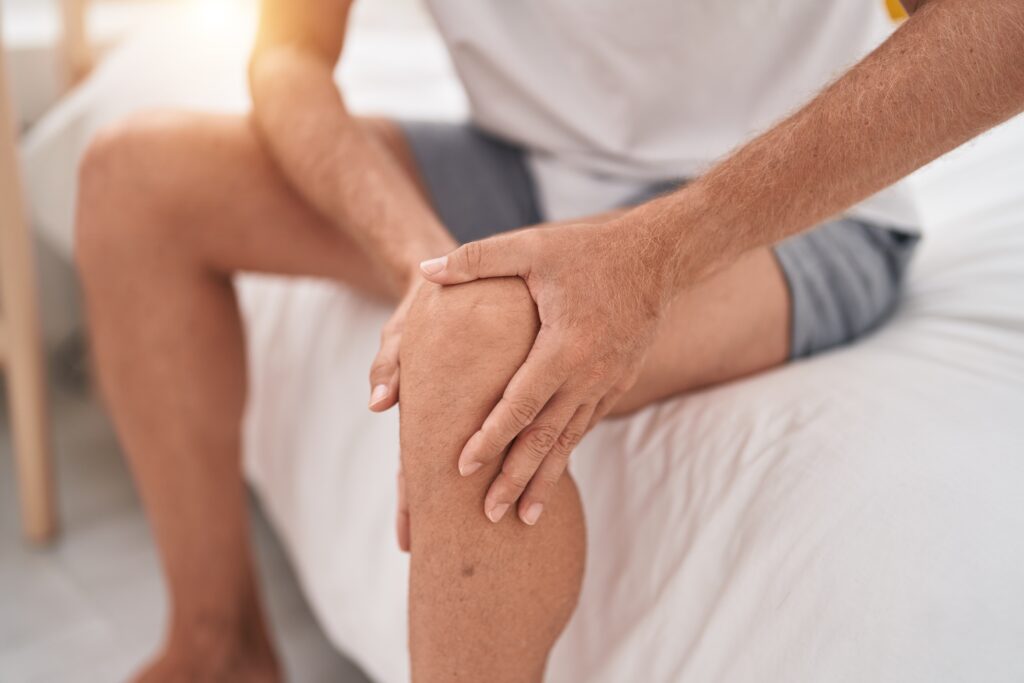
1. Understand Your Knee Pain First
Pain is information. Ignoring it or masking it with rest alone can lead to bigger issues later. Knee pain often comes from overuse, old sports injuries, or internal joint problems like meniscus damage.
The meniscus, a small piece of cartilage that cushions the knee, is a common trouble spot and can cause swelling, stiffness, or catching sensations during movement. This is why going for meniscus repair in Long Island is worth considering. Especially when guided by experienced providers such as Core Alliance Spine and Orthopedics, you can figure out the source of the pain and get the right treatment for it.
What’s more, your provider can help you choose activities that support healing rather than aggravating the joint.
2. Keep Moving With Low-Impact Activities
It is tempting to stop moving when your knee hurts, but total rest often makes things harder in the long run. Muscles weaken quickly, joints stiffen, and even simple movements start to feel uncomfortable. The goal is not to stop activity but to choose the right kind.
Low-impact movement helps maintain joint motion without excessive strain. Walking on flat ground, swimming, cycling, and water-based exercise keep the knee active while limiting pressure. These activities also support circulation, which can help ease stiffness.
The key is consistency. Short sessions done regularly usually work better than pushing too hard once or twice a week. Pay attention to how your knee feels the next day and adjust as needed.
3. Strengthen the Muscles That Protect Your Knees
Your knee does not work alone. It relies heavily on the muscles around it, especially your thighs, hips, and core. When those muscles are weak, your knee absorbs more stress than it should.
Simple strength exercises can help provide support. Straight leg raises, wall sits, glute bridges, and gentle step ups are all helpful when done with care. Focus on slow, controlled movement rather than speed or heavy resistance.
Proper form matters just as much as the exercise itself. Poor movement patterns can place extra pressure on the knee without you realizing it. Learning how to move correctly helps protect your joints during workouts and everyday tasks like lifting, bending, or climbing stairs.
4. Support Recovery With Daily Habits
Staying active with knee pain also means paying attention to recovery. Ice can help manage swelling after long days or increased activity. Heat may help loosen tight muscles before movement, making exercise feel more comfortable.
Supportive gear can also play a role. Compression sleeves or braces may provide a sense of stability during walks or workouts. Shoes with proper cushioning and support help reduce repeated impact with every step.
Rest is another part of recovery. This does not mean avoiding movement, but giving your body time to reset. Sleep, hydration, and light stretching all influence how well your knees feel from one day to the next.
5. Learn to Adjust Your Pace Without Losing Momentum
One of the hardest parts of knee pain is the mental side. Many people feel discouraged when they cannot move the way they used to. Learning to adjust your pace helps you stay active without feeling defeated.
Progress does not have to be dramatic. Adding a few extra minutes to a walk or completing one more set of an exercise still counts. Some days will feel easier than others, and that is normal. What matters is staying engaged rather than giving up entirely.
During this process, you must learn to listen to your body. Sharp pain, swelling that does not settle, or discomfort that lingers for days is a sign to slow down. Staying active does not mean you should ignore pain. It is about respecting your limits while continuing to move forward.
Conclusion
Knee pain can feel like a setback, especially when it interferes with routines that help you feel strong and capable. Still, it does not have to stop you from living an active life or enjoying everyday movement. When you understand your knee, adjust how you move, and support your body with strength and recovery, activity becomes less intimidating. Progress may feel slow at times, but steady effort adds up in ways you notice over time.