Lip fillers have become one of the most popular non-surgical aesthetic treatments in Lancaster—and for good reason. When done thoughtfully, they can enhance lip shape, restore lost volume, and improve overall facial balance without dramatically changing how you look. Still, many people approach lip fillers with uncertainty, unsure of what the process actually involves or how it will feel at each stage.
By the way, understanding what happens before, during, and after treatment helps remove that uncertainty. Lip fillers aren’t just about the injection itself; the results depend on preparation, technique, and proper aftercare.
Having said that, here’s a clear, realistic breakdown of what patients should expect at every step. So, without any further ado, dive into the article!
Before Treatment: Consultation, Planning, and Preparation
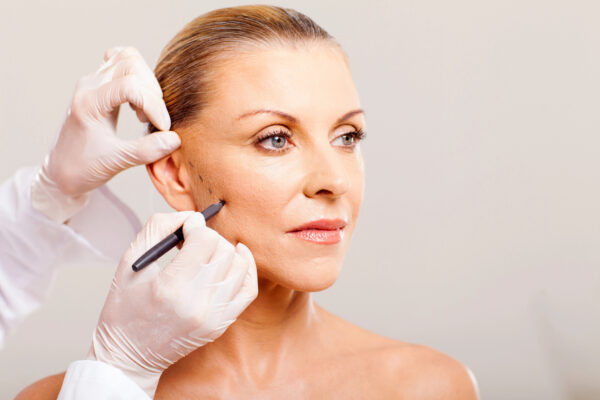
Everything starts with a consultation. This is where goals, expectations, and anatomy come together. A qualified provider will assess your natural lip shape, facial proportions, and skin condition before recommending a specific filler type or approach.
During the consultation, you can expect discussions around:
• Desired lip volume and shape.
• Whether subtle enhancement or noticeable fullness is the goal.
• Lip symmetry and natural movement.
• Medical history and previous injectable treatments.
Moreover, good providers don’t aim for a one-size-fits-all look. For those exploring lip fillers in Lancaster, clinics such as Morgenstern Center emphasize personalized treatment planning. Their approach typically prioritizes balance, safety, and gradual enhancement rather than overcorrection—something that becomes especially important for first-time patients.
Moreover, you should also receive guidance on pre-treatment preparation. This may include avoiding blood-thinning medications or supplements for a few days to minimize bruising.
During Treatment: What the Procedure Actually Feels Like
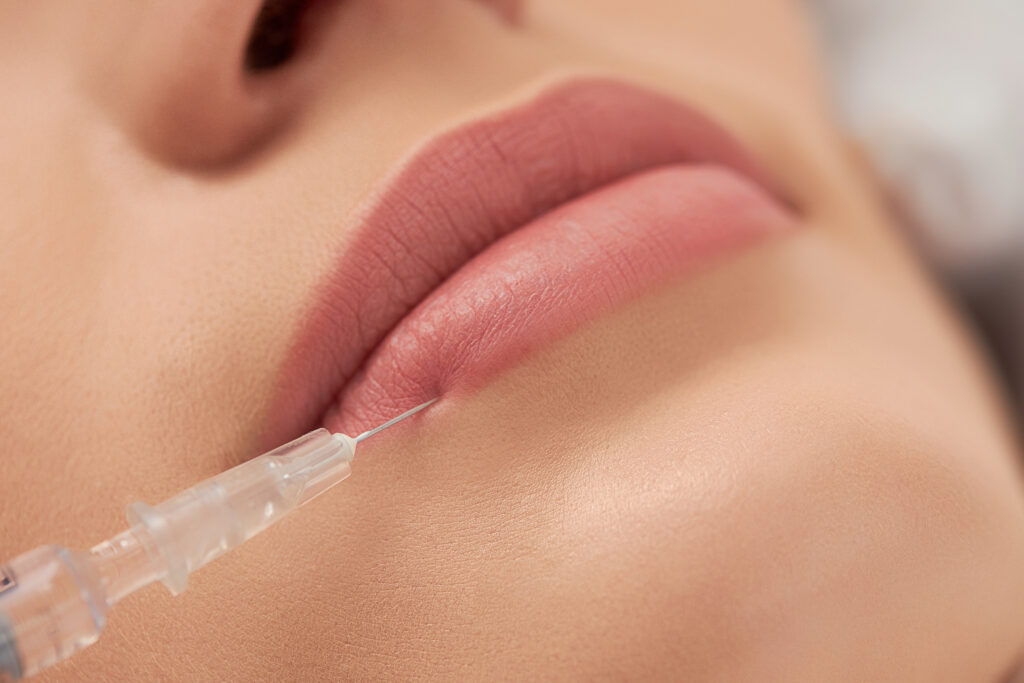
The treatment itself is relatively quick, often taking 30 minutes or less. Before injections begin, a topical numbing cream is usually applied to reduce discomfort. Many modern fillers also contain lidocaine, which further improves comfort during the procedure.
Here’s what typically happens:
• Lips are cleansed and prepped.
• Injection points are carefully mapped.
• Small amounts of filler are placed strategically.
• The provider gently shapes and balances the lips.
Most patients describe the sensation as pressure or mild pinching rather than pain. You may feel slight swelling almost immediately, which is normal and expected. Throughout the process, experienced injectors work slowly and deliberately, checking symmetry and movement as they go. The key factor during treatment is technique. Precision matters—not just for appearance, but also for comfort and safety.
Immediately After: Swelling, Sensations, and Early Results
Right after treatment, lips will look fuller—but they may also appear slightly swollen or uneven at first. This is part of the normal inflammatory response and doesn’t reflect the final outcome.
Common immediate effects include:
• Swelling and mild redness.
• Tenderness or tightness.
• Minor bruising at injection sites.
These effects usually peak within the first 24–48 hours and gradually subside. Applying cold compresses and staying hydrated can help reduce swelling. Most providers recommend avoiding strenuous exercise, excessive heat, and pressure on the lips for the first day or two.
It’s important not to judge results too quickly. Final lip shape becomes clearer once swelling settles.
The First Week After Treatment: Healing and Adjustment
Over the first several days, lips begin to soften and settle as the filler integrates with the surrounding tissue. Any bruising typically fades, and the lips start to feel more natural when speaking or smiling.
During this phase, patients are usually advised to:
• Avoid massaging the lips unless instructed.
• Skip lip treatments or exfoliation temporarily.
• Follow any provider-specific aftercare guidelines.
If asymmetry or concerns arise, providers often recommend waiting until swelling resolves before making adjustments. Many clinics schedule follow-up check-ins to ensure results are progressing as expected.
Long-Term Results: How Long Lip Fillers Last
Most lip fillers are made from hyaluronic acid, a substance naturally found in the body. Results are temporary, typically lasting between 6 to 12 months depending on:
• The type of filler used.
• Individual metabolism.
• Lifestyle factors.
• Amount of product injected.
Over time, fillers gradually break down, allowing patients to adjust volume or shape in future treatments. Many people choose maintenance sessions rather than letting filler fully dissolve, as this can help preserve consistency over time.
Final Thoughts
Lip fillers can be a rewarding treatment when approached with the right information and expectations. From thoughtful consultation to careful technique and proper aftercare, every stage plays a role in achieving natural-looking results.
Knowing what to expect before, during, and after treatment allows patients to feel confident rather than uncertain. When enhancement is gradual, personalized, and professionally guided, lip fillers become less about changing your appearance—and more about refining it in a way that still feels like you.