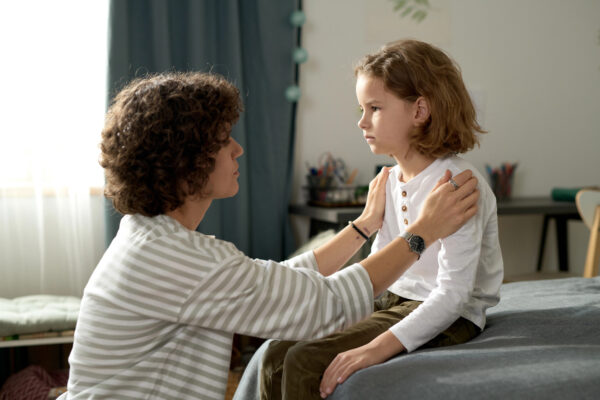
Pastoral care is a fundamental part of a child’s education, working hand in hand with academic teaching to support pupils’ wellbeing, personal growth, and development. It is more than simply offering guidance — it is about creating an environment where every child feels valued, safe, and supported.

What is Pastoral Care?
This boarding school in London suggests that pastoral care refers to the systems, policies, and practices that schools put in place to promote the emotional, social, and moral welfare of pupils. This can involve everything from providing a listening ear during times of difficulty, to running programmes that build resilience, empathy, and self-confidence. It is often delivered through form tutors, heads of year, counsellors, and dedicated wellbeing teams.
A strong pastoral system ensures that children are supported as individuals, recognising that each pupil will have unique needs and experiences both in and out of the classroom.
Why Pastoral Care Matters
School years are a crucial time for personal development. Young people face a range of pressures — academic expectations, friendship dynamics, social media, and the challenges of growing up. Effective pastoral care provides a safety net, helping pupils navigate these challenges with confidence.
When pupils feel supported and understood, they are more likely to engage positively with their learning. Research has shown that good pastoral provision can lead to improved academic results, better attendance, and reduced behavioural issues. Importantly, it also fosters emotional resilience, equipping young people with coping skills they will carry into adult life.
Building a Supportive School Culture
Pastoral care is not limited to individual interventions — it shapes the entire school culture. Schools with strong pastoral systems promote inclusivity, respect, and kindness as everyday values. This positive environment benefits all pupils, not just those experiencing difficulties.
A culture of openness encourages students to talk about their feelings without fear of judgement. Staff are trained to spot early signs of distress, ensuring issues are addressed before they escalate. Whether through peer mentoring schemes, wellbeing workshops, or simply creating safe spaces for conversation, the goal is to make every child feel they belong.
The Role of Parents and Guardians
Pastoral care is most effective when schools and families work in partnership. Open communication between teachers and parents ensures that concerns are identified quickly and addressed collaboratively. This shared approach reinforces support at home and in school, creating consistency for the child.
Parents can also be involved in pastoral initiatives, such as attending wellbeing information evenings or supporting extracurricular activities that encourage social interaction and teamwork.
Preparing Pupils for Life Beyond School
Pastoral care is not just about dealing with challenges in the present — it is about preparing pupils for the future. By teaching empathy, respect, self-awareness, and problem-solving skills, schools equip young people to thrive in diverse workplaces and communities.
Ultimately, a strong pastoral framework helps shape confident, compassionate individuals who are ready to contribute positively to society.