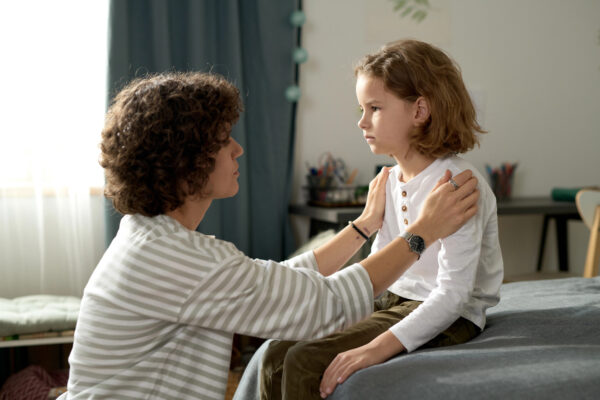
Raising a child who is kind, understanding and empathetic is one of the greatest gifts you can give them – and the world around them. Compassion not only helps children build healthy relationships, but it also nurtures their emotional intelligence, resilience, and sense of belonging. While some children may naturally lean towards empathy, compassion is a skill that can be encouraged and developed over time.
Lead by Example
Children often learn more from what we do than from what we say. If they regularly see you treating others with kindness and respect – whether that’s being patient with a shop assistant, showing empathy to a neighbour, or speaking kindly to a friend – they will naturally absorb these behaviours. This private school in Richmond recommends making sure your everyday actions reflect the compassion you wish to see in your child.
Encourage Empathy
Empathy is the ability to understand and share the feelings of others, and it’s a key ingredient in compassion. You can help your child practise empathy by talking through different situations and asking questions like, “How do you think they might feel?” or “What would you want someone to do for you in that situation?” These conversations help children put themselves in someone else’s shoes, making compassion a natural next step.
Praise Kindness
When your child shows kindness – whether that’s helping a sibling, comforting a friend, or sharing a toy – make sure to recognise and praise it. Highlighting compassionate behaviour reinforces its value. Be specific with your praise: instead of saying “You’re nice,” you might say, “I really liked how you helped your friend when they were upset – that was very thoughtful.”
Teach the Power of Listening
Listening attentively is a simple but powerful way to show compassion. Encourage your child to listen without interrupting, to make eye contact, and to respond with understanding. Role-play different scenarios at home where they can practise listening and responding in a caring way. This skill will help them in all areas of life, from friendships to future workplaces.
Create Opportunities for Helping Others
Providing children with real-life opportunities to help can be transformative. This might be something small, like making a card for a poorly relative, helping to pack a charity food parcel, or participating in a community clean-up. Acts of service, no matter how small, help children experience the positive impact they can have on others.
Talk About Feelings
A child who understands their own emotions is better equipped to understand those of others. Make emotions part of everyday conversations, using a variety of feeling words beyond just “happy” or “sad”. This emotional vocabulary will help your child identify and articulate their own feelings, and be more attuned to recognising emotions in others.
Foster Gratitude
Gratitude and compassion often go hand in hand. Encourage your child to reflect on the things they appreciate, and express thanks regularly. This could be through a gratitude journal, sharing “three good things” at dinner, or writing thank-you notes. Gratitude helps children recognise the kindness around them, inspiring them to give kindness in return.