Your water heater does a lot more than you might think. It gives you hot showers, warm water for washing, and comfort on chilly mornings. But here's the thing—most people forget all about it until it stops working. That's when repairs get expensive, and replacements hit hard.
But you can avoid all that. With just a little care now and then, your water heater can keep running strong for years. It doesn't take a lot—just some small steps that are easy to do or easy to ask a plumber to handle. Let's go through them one by one.
1. Add an Expansion Tank
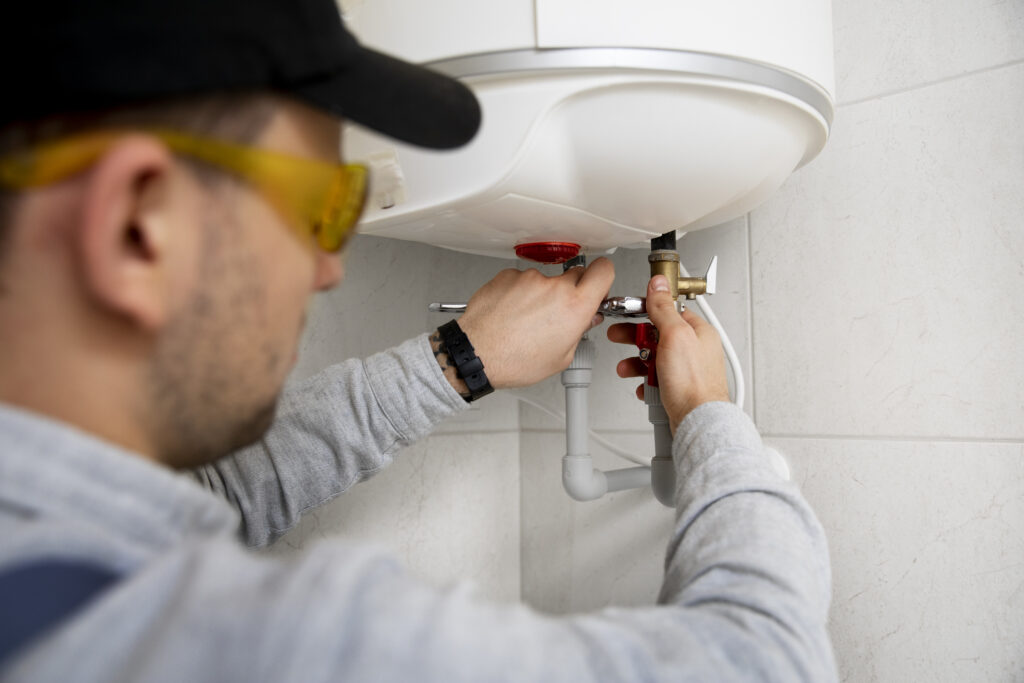
Every time you switch your water heater on, water heats up, and it expands. That extra pressure has to go somewhere. Otherwise, it puts stress on your water heater and pipes. Over time, it can lead to leaks or even early failure of the whole heater. The solution - an expansion tank.
By adding an expansion tank to your water heater, you can take the extra pressure off your pipes so they don't crack or leak. To get one in your bathroom, look for experienced plumbers who understand the unique plumbing needs and provide tailored solutions.
In many places, it's also part of the plumbing code to have an expansion tank if you use a closed water system, so it's not just smart but also required.
2. Flush Out the Tank Once a Year
Just like anything else that holds water, your water heater collects stuff over time. Minerals from the water settle at the bottom of the tank, forming a layer of sediment. This build-up makes your heater work harder than it should. You might even hear rumbling or popping sounds—that's a sign of the issue.
The good news? You can flush it out. Once a year, turn off the heater, hook up a garden hose to the drain valve, and empty the tank until the water runs clear. This clears the sediment and gives your heater a fresh start. A clean tank heats water better, saves energy, and helps your heater live a longer, healthier life.
It's also worth protecting your water tank from hard water too. Hard water is more than just an annoyance—it’s a serious threat to your water heater’s performance, efficiency, and lifespan. It's important to learn why water softeners matter for your water heater's lifespan and how you can best use them.
3. Keep an Eye on the Anode Rod
Inside your water heater is a rod that most people never hear about—it's called the anode rod. Think of it as your tank's bodyguard. It attracts rust and minerals, so they don't go after the inside of your tank. It takes the damage, so your tank doesn't have to.
But here's the catch: the rod gets used up over time. After a few years, it might be almost gone. If that happens and you don't replace it, rust starts to attack the tank itself.
That's why it's smart to have the anode rod checked every 2–3 years. A plumber can pull it out and let you know if it needs replacing. It's a simple fix, and it's much cheaper than dealing with a rusted tank. One little rod can add years to your water heater's life.
4. Test the Pressure Relief Valve
This one's all about safety. Your water heater comes with a special part called the temperature and pressure relief valve, or T&P valve for short. Its job is to release pressure if the heater ever gets too hot or builds up too much pressure inside. Residential water heaters' temperature needs to be regulated. Think of it like a safety vent. If the valve isn't working, the pressure can build to dangerous levels.
So, once a year, gently lift the valve's lever and let it snap back. You should hear a small gush of water. If it keeps leaking afterward, it's time to call a professional and get it replaced. It's an easy check that takes less than a minute but gives you peace of mind.
5. Insulate the Tank and Pipes
Here's a tip that not only helps your water heater last longer but also saves you money. When the tank and nearby pipes aren't insulated, they lose heat. That means your water heater has to work extra to keep the water warm, especially in colder months.
As a solution, you can buy an insulation blanket for the tank, wrap the tank, and slide the foam around the hot water pipes. Insulation helps keep the heat in, so your heater doesn't have to turn on as often. Less work for the heater means fewer problems and a longer life.
Your water heater might be out of sight, but it shouldn't be out of mind. It works hard every day to give you comfort and convenience. So, it deserves a little care in return.
Whether it's flushing the tank or calling a plumber once a year, these small steps really add up.