
Every child is unique, with their own blend of talents, quirks, and passions. As parents and carers, one of the most empowering things we can do is recognise and nurture our children’s individual strengths. Doing so not only builds their confidence but also lays the foundation for a positive self-image and lifelong resilience.
Here are some practical and heartfelt ways to help highlight your child’s strengths provided by a Top Sixth Form in Cambridge:
1. Observe with Curiosity
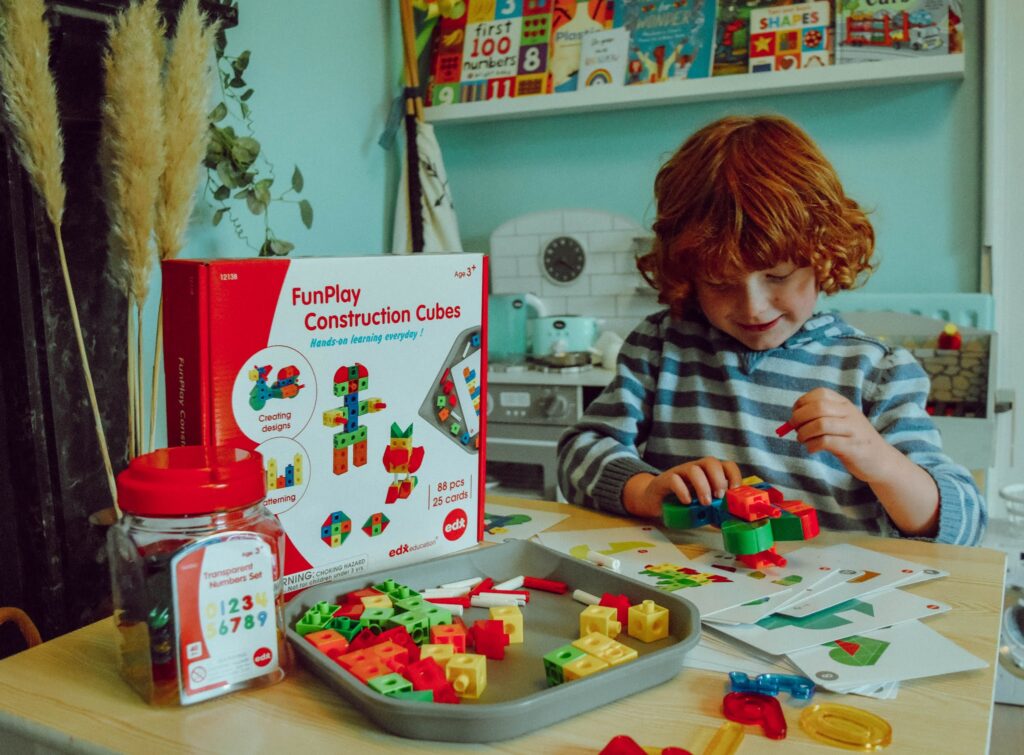
Children often express their strengths in subtle, everyday ways. Whether it’s how they comfort a friend, construct a detailed Lego masterpiece, or ask endless “why” questions, there are clues everywhere. Pay attention to what your child naturally gravitates towards, and what activities bring them joy or a sense of pride.
2. Celebrate Effort, Not Just Achievement
Success isn’t always about being the best — it’s about trying, growing, and persisting. When you notice your child putting effort into something, acknowledge it. Phrases like “I saw how hard you worked on that puzzle” or “You kept trying even when it was tricky — well done!” reinforce a growth mindset and help your child feel seen beyond their results.
3. Create Opportunities for Discovery
Expose your child to a wide range of experiences — from music and sport to science, nature, and storytelling. You never know what might spark a passion or uncover a hidden talent. Sometimes a strength lies dormant until the right opportunity comes along.
4. Encourage Them to Teach You
If your child is passionate or skilled in a certain area, ask them to show you how it works or explain what they love about it. Giving them the role of teacher not only boosts confidence but also deepens their understanding and appreciation of their own abilities.
5. Avoid Comparisons
It’s easy to fall into the trap of comparing your child to siblings, classmates, or even how you were at their age. But every child is on their own journey. Instead of focusing on how they measure up to others, focus on how they’re growing and thriving in their own way.
6. Use Positive Language
The words you use have power. Framing your child’s behaviour in a positive light can help shape how they see themselves. For example, instead of saying “You’re so stubborn,” try “You’re really determined — that’s a great strength when used wisely.”
7. Involve Them in Problem Solving
Give your child opportunities to use their strengths in meaningful ways. Whether it’s helping a younger sibling, organising a small task at home, or coming up with ideas for a family day out, showing that their input matters reinforces their sense of value and capability.
8. Reflect Together
Take time to regularly talk with your child about what they enjoy, what they feel good at, and what makes them proud. These conversations help them develop self-awareness and affirm that their strengths are not only real but important.