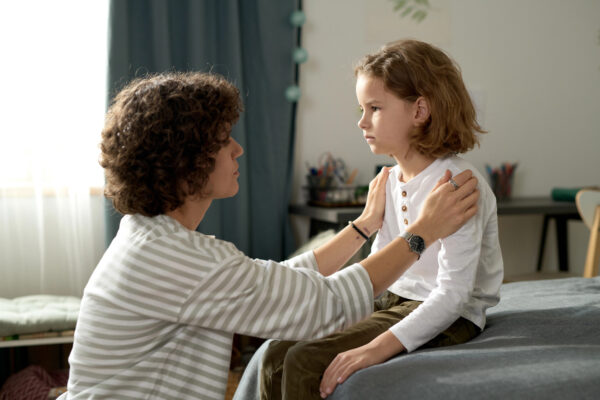
Understanding your child’s growth milestones can help you nurture their development and identify any areas that might need extra attention. While every child grows at their own pace, certain milestones provide a general guideline of what to expect as they progress through infancy, toddlerhood, childhood, and adolescence.

1. Infancy (0-12 months)
During infancy, children experience rapid physical and cognitive growth. Here are some key milestones:
Motor Skills: Newborns typically begin with limited control over their bodies. By three months, most can lift their heads during tummy time. Around six months, babies often start to roll over, and by the end of their first year, many can sit without support, crawl, and even take their first steps.
Social Interaction: Babies learn to recognise familiar faces early on and may start smiling and cooing as a response to social interaction. By nine months, they often exhibit stranger anxiety and may show attachment to caregivers.
Communication: Infants express needs through crying, and by around six months, they may start babbling. Towards their first birthday, they might say simple words like “mama” or “dada” and understand basic commands.
2. Toddler Years (1-3 years)
This nursery in Hampton suggests that the toddler years are full of exploration and the development of independence. Key milestones include:
Physical Development: Walking, running, climbing, and jumping become second nature as toddlers gain coordination. Around age two, children may start using utensils and show hand dominance. By three, many can pedal a tricycle.
Social and Emotional Growth: Toddlers begin to show a sense of self, expressing preferences and emotions more clearly. They might engage in parallel play—playing next to other children rather than with them—and start to assert their independence with frequent “no”s.
Language Skills: A toddler’s vocabulary grows rapidly. By age two, they can usually combine two words (“want cookie”), and by three, they may form short sentences and understand basic instructions.

3. Early Childhood (3-6 years)
In early childhood, children continue to refine their motor skills and start developing complex social relationships.
Fine Motor Skills: Preschoolers work on fine motor skills like cutting with scissors, drawing simple shapes, and writing letters. Gross motor skills also advance as they become more coordinated and engage in activities like hopping and skipping.
Social Interaction: Play becomes more interactive, with children showing a preference for playing with others. This is also a time when empathy begins to develop, as they start to understand others' feelings and take turns.
Cognitive Development: This age group is naturally curious, asking endless “why” questions. They begin to understand basic concepts like numbers, shapes, and colours, and their attention span gradually increases.
4. Middle Childhood (6-12 years)
This period sees the consolidation of skills and the development of critical thinking and problem-solving abilities.
Academic and Cognitive Growth: Children in this age group develop stronger reasoning skills and may start focusing on particular interests, like sports or hobbies. They gain more independence in completing tasks, and their memory and attention improve significantly.
Social Skills: Peer relationships become more important, and children begin to form friendships based on shared interests. Social rules, teamwork, and empathy grow more pronounced during these years.
Physical Changes: Around age 9-12, children may begin puberty, with growth spurts, hormonal changes, and the development of secondary sexual characteristics.
5. Adolescence (12+ years)
Adolescence is marked by significant physical, emotional, and intellectual changes as children mature into young adults.
Physical Development: Puberty is a key milestone during adolescence, bringing about rapid growth, deeper voices in boys, and menstruation in girls. Physical appearance becomes a central part of identity.
Cognitive and Emotional Growth: Adolescents develop abstract thinking skills, allowing them to understand complex concepts and think critically. This stage is also marked by a stronger sense of self and identity exploration, as well as heightened sensitivity to peer opinions.
Watching children grow is a joyful journey, and understanding these milestones can help you support your child’s physical, cognitive, and emotional development. Remember, these milestones are only guidelines—each child is unique and may reach milestones at their own pace. If you have concerns about your child’s growth, don’t hesitate to consult a paediatrician.