Anxiety in children can manifest in various ways, from avoiding social situations to struggling with school tasks. While some anxiety is normal, heightened levels can impact their daily lives and academic progress. Here, inspired by the practices of this independent school in Manchester, we’ll explore practical strategies that parents and teachers can adopt to support children dealing with anxiety, fostering resilience, and building coping skills.
Understanding Childhood Anxiety
Childhood anxiety is a natural response to challenges or change. However, if left unaddressed, it can develop into more serious issues, affecting a child’s self-esteem, relationships, and academic performance. Signs of anxiety in children include excessive worry, physical symptoms like stomach-aches or headaches, restlessness, and difficulty concentrating. Recognising these signs early on allows adults to offer the right support, helping the child build emotional resilience.
Encourage Open Communication
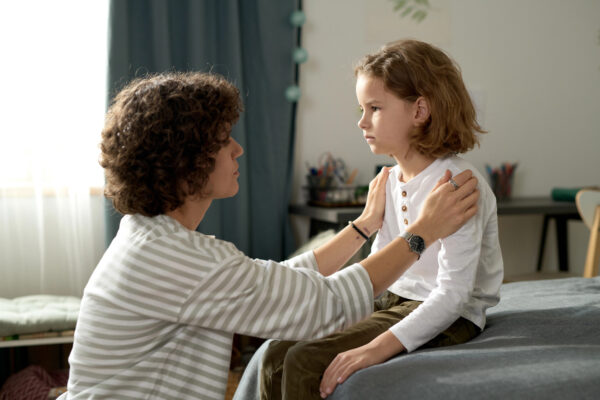
One of the best ways to support anxious children is to encourage them to express their feelings. Parents and teachers can ask open-ended questions to create a safe space for the child to share. It’s essential to listen actively without judgment, acknowledging their feelings and validating their concerns. For instance, rather than dismissing their fears, say, “I understand you’re feeling worried, and that’s okay. Let’s figure out how to make this feel less overwhelming together.”
Teach Relaxation Techniques
Helping children learn relaxation techniques is highly effective in managing anxiety. Deep breathing exercises, for example, can calm their nervous system and reduce immediate stress. Guided imagery, progressive muscle relaxation, or even simple yoga poses can also help children regain control when they’re feeling overwhelmed. Practicing these techniques regularly can make them second nature, providing children with tools to manage their emotions in various situations.
Set Realistic Goals
Breaking tasks into small, achievable goals can help children manage anxiety related to schoolwork or social situations. For example, if a child feels anxious about speaking in front of the class, start by encouraging them to share their thoughts in smaller groups. Parents and teachers can work together to set incremental goals that build confidence, gradually exposing the child to anxiety-provoking situations in a controlled, supportive manner.
Establish Consistent Routines
Routines provide children with a sense of stability, which can help reduce anxiety. Consistent schedules for meals, homework, and bedtime can create a sense of predictability, making children feel more secure. For children struggling with anxiety, changes in routines can be unsettling, so it’s important to inform them ahead of time if there are adjustments. In the classroom, teachers can establish daily routines and display a visual schedule, helping children know what to expect.
Encourage Positive Self-Talk
Children can often fall into negative thought patterns that reinforce their anxiety. Teaching them to recognise and replace these thoughts with positive affirmations can be transformative. Parents and teachers can model positive self-talk, such as, “It’s okay to make mistakes; that’s how we learn.” Reinforcing positive self-statements encourages children to approach situations with confidence rather than fear.
Collaborate with Mental Health Professionals
If a child’s anxiety persists and interferes with their daily life, parents and teachers may consider seeking support from a mental health professional. School counsellors, therapists, and paediatricians can provide additional resources and strategies, tailored to the child’s needs. Working with a professional can help identify underlying causes of anxiety and build a support network around the child.
Addressing anxiety in children is a team effort that involves creating a supportive environment both at home and school. Through open communication, relaxation techniques, goal-setting, and routines, parents and teachers can equip children with the tools they need to manage their anxiety effectively. Early intervention and consistent support can make a world of difference, empowering children to navigate challenges with resilience and confidence.