Office moves are often framed as logistical headaches—boxes, trucks, downtime, and endless checklists. But when you zoom out, an office relocation is much more than a facilities task. It’s a business decision that can influence productivity, employee morale, collaboration, and even how your company culture evolves.
Done thoughtfully, a move can energize a team and support growth. Handled poorly, it can disrupt workflows and frustrate employees for months. The difference usually comes down to planning, communication, and choosing the right professional support. Let’s break down how office relocations affect productivity and culture—and how to approach them in a way that works for your business, not against it.
Why Office Moves Are Strategic, Not Just Operational
An office relocation often happens during pivotal moments: expansion, restructuring, downsizing, or a shift toward hybrid work. These changes already carry emotional and operational weight. The move itself becomes a symbol of where the business is heading.
Employees notice the message behind the move. Is the new space designed for collaboration or isolation? Does it support focus and efficiency? Is leadership prioritizing a smooth transition or treating the move as an afterthought? When handled strategically, a relocation reinforces trust and clarity. When rushed, it can feel like chaos imposed from the top down.
From a productivity standpoint, the stakes are high. Every hour lost to confusion, missing equipment, or delayed setup is an hour not spent on actual work. That’s why successful companies treat moving day as part of a broader business plan, not just a date on the calendar.
Productivity Risks (and Opportunities) During an Office Relocation
Even short-term disruptions can ripple through a business. Common productivity challenges during office moves include unclear timelines, employees unsure where to sit or how to set up, and teams working without access to essential equipment or files.
However, these risks can be managed—and even turned into opportunities—with the right approach.
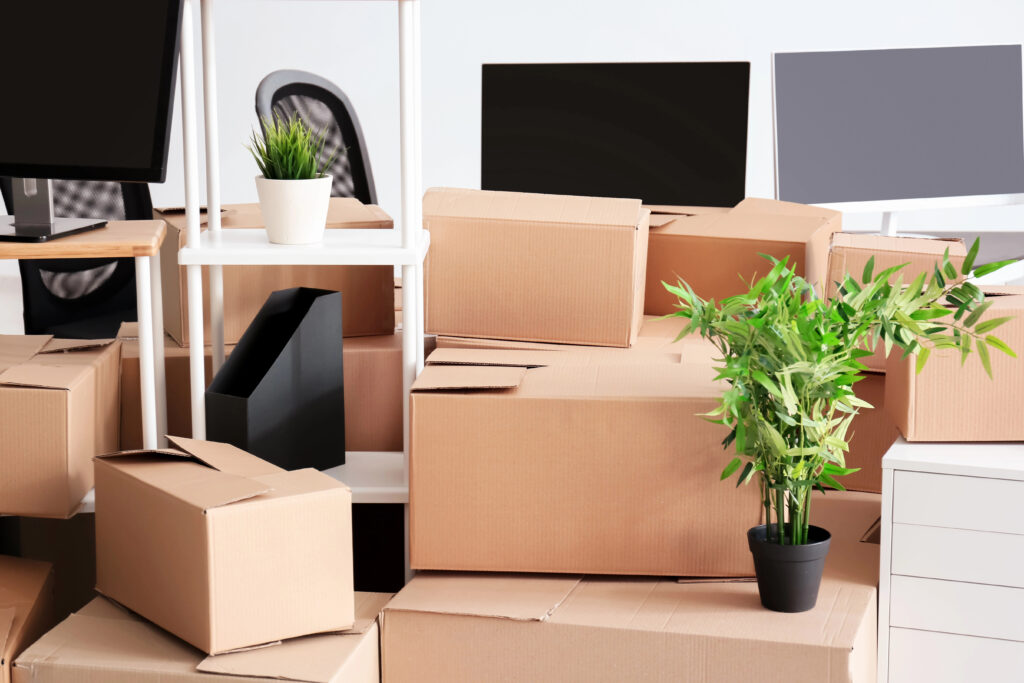
Professional office moving services play a major role here. Experienced commercial movers understand how to relocate desks, IT equipment, files, and shared resources in a way that minimizes downtime. They plan the sequence carefully so departments can get back online quickly instead of scrambling for days.
A well-executed move can also prompt productivity gains. Many businesses use relocation as a chance to streamline layouts, eliminate unused furniture, and rethink how teams interact. A cleaner, better-organized workspace often leads to clearer workflows and fewer daily friction points.
How Office Moves Shape Company Culture
Culture isn’t just about values on a wall—it’s about how people experience their workday. An office move touches everyone, which makes it a powerful cultural moment.
Transparent communication during the moving process builds trust. When employees understand why the move is happening, what to expect, and how it will benefit them, they’re more likely to feel included rather than inconvenienced. On the other hand, last-minute changes and vague instructions can create anxiety and resentment.
The physical environment matters too. Open collaboration zones, quiet focus areas, and thoughtful storage solutions all signal how a company expects people to work together. A move is a rare opportunity to align the space with the culture that leadership wants to encourage.
Using professional movers who specialize in office relocations helps reinforce this positive experience. When the move feels organized and respectful of employees’ time and belongings, it sends a subtle but important message: the company values its people.
Planning an Office Move Without Burning Out Your Team
One of the biggest mistakes businesses make is placing too much of the moving burden on internal staff. Asking employees to pack entire offices, coordinate furniture placement, or troubleshoot logistics distracts them from their actual roles.
Professional office moving services are designed to remove that strain. Services such as packing office equipment, labeling and organizing furniture, safely transporting electronics, and handling heavy items allow employees to stay focused on their work.
Timing also matters. Moves scheduled outside of peak business hours or over weekends can significantly reduce disruption. Experienced movers help plan these details in advance, identifying potential bottlenecks before they become problems.
The goal isn’t just to “get through” the move—it’s to protect momentum during a period of change.
A Practical Look at Piece of Cake Moving & Storage
When businesses look for reliable office moving support, Piece of Cake Moving & Storage is often part of the conversation. This Miami moving company is known for handling commercial relocations with precision. The company focuses on services that matter most to growing and evolving organizations.
Their office moving services are built around efficiency and care. From carefully packing desks, computers, and shared equipment to transporting furniture and setting items in designated areas, their approach helps businesses reduce downtime and confusion. For companies that need flexibility, their storage options help manage excess furniture or equipment during transitions without cluttering the new space.
What stands out is the emphasis on coordination. Office moves involve more moving parts than residential relocations, and having a team that understands how departments, timelines, and physical layouts intersect can make a noticeable difference in how quickly a business settles into its new environment.
Rather than adding stress to an already busy period, the right moving partner supports leadership’s broader goals—keeping operations steady and employees confident throughout the transition.
Turning Moving Day Into a Fresh Start
An office relocation can feel like an ending, but it’s more accurately a reset. The days following a move are when habits form, and perceptions solidify. Small details—clear signage, functional workstations, and accessible shared resources—go a long way in helping employees feel at home quickly.
Encouraging teams to personalize their spaces and gather feedback on the new layout reinforces a sense of ownership. This is also a good time to revisit workflows and address inefficiencies that may have been overlooked in the old office.
When the physical move is handled smoothly by professionals, leadership can focus on guiding the cultural and operational side of the transition. That balance is what turns a potentially disruptive event into a positive turning point.
Conclusion
Office relocations aren’t just about changing addresses. They influence how people work, how teams collaborate, and how employees perceive their company’s direction. When approached as a strategic business decision—with careful planning and the right professional support, a move can strengthen productivity and reinforce culture instead of undermining it.
By minimizing disruption, respecting employees’ time, and working with experienced office movers like Piece of Cake Moving & Storage, businesses set themselves up for a smoother transition and a stronger start in their new space. In the end, a successful office move isn’t measured by how fast the boxes arrive—it’s measured by how quickly people feel ready to do their best work again.