If you’ve ever stood in a small room and thought, “This feels tighter than it should,” you’re not alone. Most of us are taught the same rule: light colors make spaces feel bigger, dark colors make them feel smaller. End of story.
But here’s the thing. That rule isn’t always true, especially when it comes to flooring.
Dark floors have a bad reputation in small rooms. People worry they’ll suck up light, make the space feel heavy, or turn a cozy room into a cave. In reality, when they’re chosen and styled well, dark floors can do the opposite. They can add depth, definition, and a sense of openness that lighter floors sometimes can’t.
Let’s talk about why.

Rethinking the “Light Floors Only” Mindset
Light floors are popular for a reason. They feel safe. Neutral. Predictable. But safe choices don’t always give the best results.
In small rooms, light floors can actually blur the edges of the space. Everything blends together. Walls, floor, furniture. The room can end up feeling flat instead of open.
Dark floors create contrast. And contrast is what helps the eye understand space. When your floor clearly anchors the room, your walls feel taller, and your ceiling feels higher. It sounds subtle, but visually, it makes a real difference.
Think of it like outlining a drawing. Once the base is defined, everything else feels more intentional.
Why Dark Floors Add Depth Instead of Weight
Depth is the key word here.
A darker floor pulls the eye downward, which grounds the room. When the base feels solid, the rest of the space feels lighter by comparison. That contrast tricks your brain into reading the room as larger.
This is one of the reasons designers often use darker tones at floor level and lighter tones above. It mimics how we experience space in the real world. The ground is darker. The sky is lighter. It feels natural.
When people talk about ways to maximize space with dark flooring, this visual depth is what they’re really describing. You’re not adding square footage. You’re changing how the room is perceived.
Contrast and Continuity Matter More Than Color Alone
Dark floors work best when they’re part of a bigger picture.
Pairing them with light or mid-tone walls keeps the room from feeling boxed in. You don’t need stark white, either. Soft neutrals, warm off-whites, or even light greige tones work beautifully.
Continuity also plays a huge role. If you run the same dark flooring through multiple rooms, especially in an apartment or small home, the space feels more open because there are fewer visual breaks. Your eye moves smoothly from one area to the next.
On the flip side, choppy transitions can shrink a space fast. Different floors in every room, heavy thresholds, or strong pattern changes all interrupt flow.
Picking the Right Shade and Finish
Not all dark floors behave the same way.
A deep espresso brown feels very different from a charcoal gray or a warm walnut. In small rooms, slightly warmer dark tones tend to feel more inviting and forgiving. Extremely black floors can work, but they’re less flexible and rely heavily on good lighting.
Finish matters too. Super glossy floors reflect light, which can help brighten a room, but they also show every speck of dust. Matte or satin finishes tend to feel calmer and more natural, especially in lived-in spaces.
Plank size and direction also count. Wider planks and longer boards reduce visual clutter. Running planks lengthwise in narrow rooms can subtly stretch the space.
Lighting Is What Makes Everything Click
Lighting can make or break dark flooring. There’s no way around that.
If your room gets good natural light, you’re already ahead. Dark floors paired with sunlight look rich and dimensional, not heavy. If natural light is limited, layered lighting becomes essential.
Overhead lighting alone usually isn’t enough. Floor lamps, table lamps, and wall sconces spread light more evenly and soften shadows. Reflective elements like mirrors, metal accents, or glass decor help bounce light around, too.
Even small changes, like switching to warmer bulbs or adding a lamp in a dark corner, can completely change how the floor feels.
Furniture Choices That Keep Things Feeling Open
Furniture has more influence than most people realize.
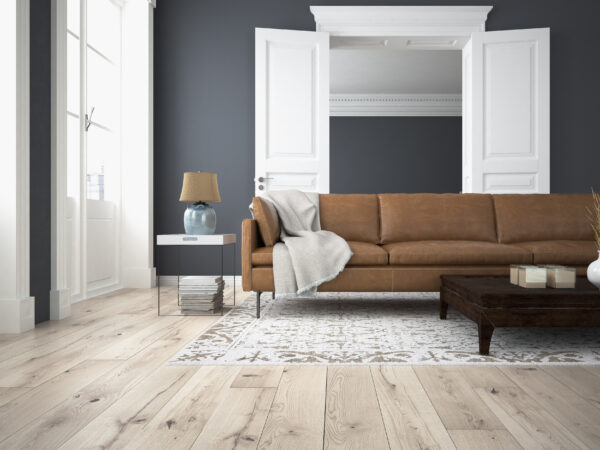
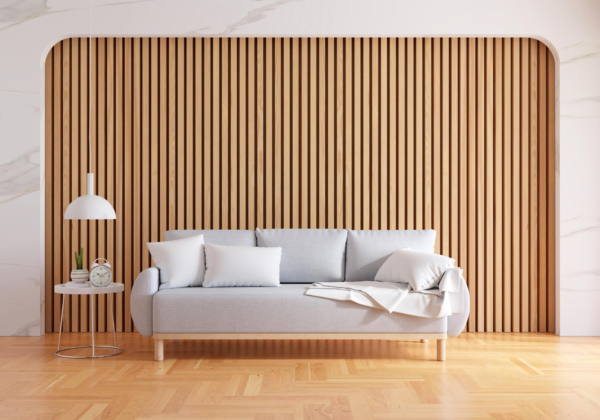
Pieces with visible legs allow light to pass underneath, which keeps the floor from feeling like a solid block of darkness. Low, bulky furniture that sits flat on the floor can make any room feel smaller, regardless of floor color.
You don’t need to match your furniture to your floors. In fact, contrast works better. Light sofas, natural wood tones, and textured fabrics balance darker floors nicely.
Area rugs are optional. In very small rooms, skipping a rug can actually make the space feel larger by showing more of the continuous floor. If you do use one, choose something lighter or with a subtle pattern, and avoid covering the entire floor.
Mistakes That Make Small Rooms Feel Smaller
Dark floors aren’t the problem. Poor balance is.
Pairing dark floors with dark walls and a dark ceiling is a common mistake. It removes contrast and compresses the space. Another issue is overfurnishing. Too many pieces, especially heavy ones, crowd the room and fight against the openness you’re trying to create.
Ignoring trim and baseboards can also hurt the effect. Light or medium-tone baseboards against dark floors create a clean edge that helps define the room’s shape.
Where Dark Floors Shine the Most
Dark floors work especially well in small living rooms, bedrooms, and open-plan apartments. They’re also great in hallways and narrow spaces, where continuity and direction really matter.
Bedrooms benefit from the grounded, cozy feel dark floors provide, especially when paired with light bedding and walls. Living rooms feel more intentional and styled, even at a smaller scale.
The Bottom Line
Small rooms don’t need to be light from top to bottom to feel open. They need balance. They need contrast. And they need thoughtful choices that work together.
Dark floors aren’t a risky move when they’re done with intention. They can anchor a room, add depth, and make the space feel more expansive than you’d expect.
So if you’ve been avoiding dark flooring because your space is small, it might be time to take a second look. You may be surprised by how open it feels once everything falls into place.