
Eyelid surgery, clinically known as blepharoplasty, is often described as a subtle procedure. But the decision to undergo it deserves careful thought. The eyes play a central role in facial expression, communication, and how rested or alert a person appears. Even small changes around the eyelids can significantly affect overall appearance, which is why asking the right questions before considering surgery is so important.
Rather than starting with “Do I need eyelid surgery?”, many specialists in NYC and beyond recommend beginning with a more thoughtful approach: What concerns am I trying to address, and is surgery the right solution for them? Understanding the purpose, limitations, and process of eyelid surgery helps patients make informed decisions that align with both aesthetic goals and long-term comfort.
That being said, let's know some of the prominent things about the surgery in the article ahead!
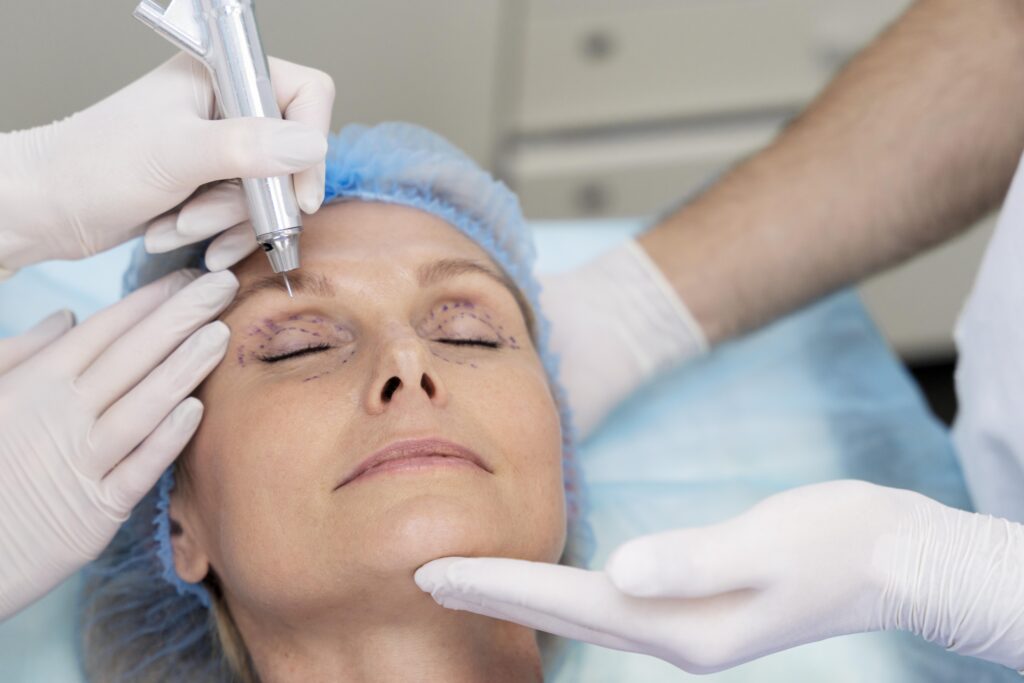
1. What Problem Am I Actually Trying to Solve?
One of the first—and most important—questions to ask is what’s motivating your interest in eyelid surgery. Concerns around the eyes can stem from several different issues, and not all of them require surgical correction.
Common reasons people explore eyelid surgery include:
• Heavy or drooping upper eyelids.
• Puffiness or bags under the eyes.
• A tired or aged appearance despite feeling well-rested.
• Vision obstruction caused by excess upper eyelid skin.
Understanding whether the concern is cosmetic, functional, or a combination of both helps clarify the conversation with a surgeon. In some cases, non-surgical treatments may be sufficient. In others, blepharoplasty may offer a more lasting solution. Clarity at this stage prevents unrealistic expectations later.
2. What Should I Expect From a Proper Consultation?
A consultation is more than a procedural overview—it’s the foundation of the decision-making process. During this stage, patients should expect a detailed evaluation of eyelid anatomy, facial balance, and eye health.
A comprehensive consultation typically includes:
• Assessment of eyelid position and symmetry.
• Discussion of skin quality and muscle tone.
• Review of medical history and eye health.
• Clear explanation of surgical options and limitations.
In fact, reputable surgeons of blepharoplasty in NYC, such as Dr. Matthew White, often emphasize this consultative approach. Rather than focusing solely on cosmetic outcomes, experienced surgeons evaluate how eyelid surgery fits into overall facial harmony and long-term eye function. This ensures recommendations are tailored—not standardized.
Last but not least, patients should leave a consultation feeling informed, not pressured. Taking time to reflect after the appointment is an important part of making a confident decision.
3. Is My Concern Related to Aging, Genetics, or Both?
Eyelid changes don’t always correlate with age alone. Genetics plays a significant role in how eyelids age—or appear to age—even in younger individuals. Some people develop under-eye bags or drooping lids early, while others experience these changes much later in life.
This distinction matters because:
• Genetic traits often affect skin elasticity and fat distribution.
• Age-related changes may involve muscle weakening or skin laxity.
• Treatment approaches can differ based on underlying causes.
A thorough evaluation helps determine whether eyelid surgery is addressing a structural issue, age-related change, or both. This assessment also influences whether upper eyelids, lower eyelids, or a combination should be considered.
4. How Will Recovery Fit Into My Daily Life?
Another essential question is how recovery will realistically affect your routine. While eyelid surgery is generally well-tolerated, it still involves downtime and temporary changes that should be planned for.
Typical recovery considerations include:
• Swelling and bruising during the first 1–2 weeks.
• Temporary dryness or tightness around the eyes.
• Limited physical activity for a short period.
Most patients return to daily activities relatively quickly, but full healing continues gradually. Understanding this timeline helps set expectations and prevents unnecessary stress during recovery. Planning time off work or social commitments in advance can make the process smoother.
5. What Are the Risks and How Are They Managed?
All surgical procedures carry some level of risk, and eyelid surgery is no exception. Asking about potential complications—and how they’re minimized—is an important part of informed consent.
Potential risks may include:
• Temporary swelling or asymmetry.
• Dry eyes or sensitivity.
• Scarring, which is usually minimal when incisions are well-placed.
Experienced surgeons reduce risk through careful patient selection, precise technique, and thorough pre-operative planning. Patients should feel comfortable discussing concerns openly and understanding how risks are addressed both during and after surgery.
Final Thoughts
Eyelid surgery can be a highly effective way to address both aesthetic and functional concerns—but only when approached thoughtfully. By asking the right questions about motivation, anatomy, recovery, and long-term outcomes, patients place themselves in a stronger position to decide whether blepharoplasty is right for them.
Taking the time to understand the process, engage in thorough consultations, and reflect on personal goals transforms eyelid surgery from a cosmetic impulse into a well-considered decision. When clarity guides the choice, patients are far more likely to feel confident and satisfied with the results.