
Glaucoma is one of those conditions most people don’t think about—until it becomes impossible to ignore. What makes it especially concerning is how often it goes undetected. It’s estimated that nearly three million Americans in Chicago are affected by glaucoma, yet close to half remain unaware they have it.
Unfortunately, that delay can be costly. Understanding the early signs of glaucoma is critical. When caught early, vision loss can often be slowed or prevented altogether. When missed, the damage is permanent.
But waiting isn’t an option. That’s why understanding the early signs of glaucoma—and acting on them—can make a life-changing difference. Here’s what you need to know.
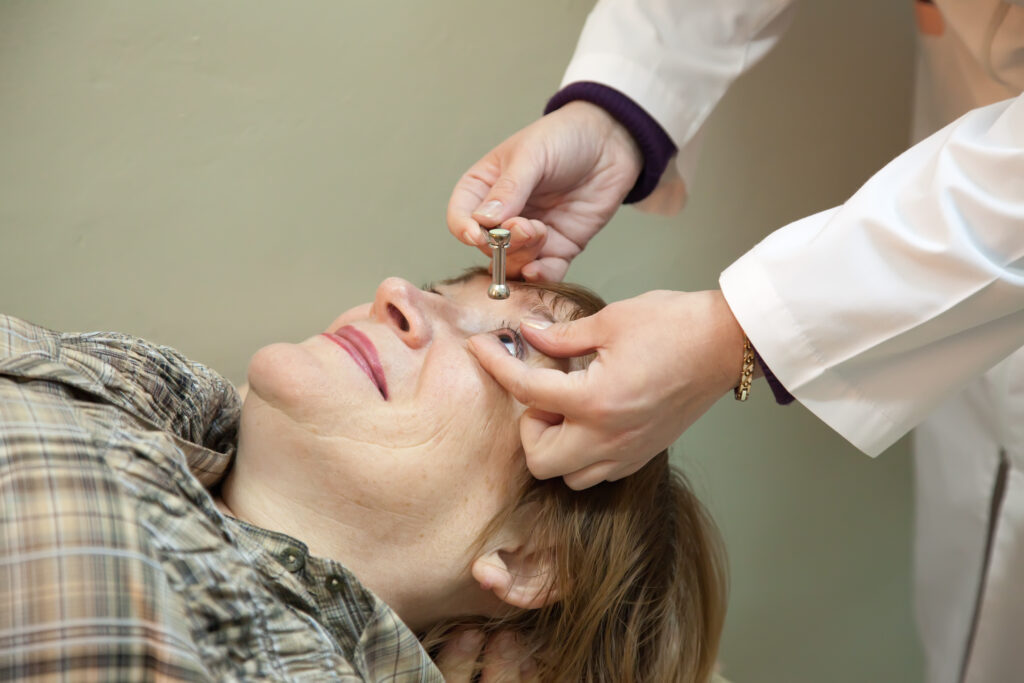
What Is Glaucoma
Glaucoma is a group of eye conditions that damage the optic nerve, which is essential for sending visual information from the eye to the brain. In many cases, this damage is linked to increased pressure inside the eye, although itan also occur with normal eye pressure.
What makes glaucoma particularly dangerous is how silently it progresses. In its most common form, open-angle glaucoma, vision loss happens gradually and painlessly. Many people don’t realize anything is wrong until their peripheral (side) vision has already been affected—and by then, the damage is irreversible.
There are several types of glaucoma, including:
• Open-angle glaucoma, the most common form, develops slowly over time
• Angle-closure glaucoma, which can appear suddenly and is considered a medical emergency
• Normal-tension glaucoma, where optic nerve damage occurs despite normal eye pressure
Early Signs and Symptoms of Glaucoma
One of the biggest challenges with this condition
is that early symptoms are often subtle—or completely absent. Still, there are warning signs worth paying attention to.
Subtle Symptoms Often Overlooked
• Gradual loss of peripheral vision
You may not notice this at first, as the brain compensates for missing visual information. Over time, however, side vision can narrow significantly.
• Difficulty adjusting to low light
Trouble seeing in dim rooms or at night can be an early indicator of optic nerve changes.
• Frequent changes in eyeglass prescriptions
While vision changes are common with age, repeated prescription updates may signal an underlying issue.
• Mild eye pressure or discomfort
This isn’t always painful, which is why many people dismiss it.
If you’ve been experiencing any of these signs, it’s important not to ignore them. Consulting a trusted eye specialist should be your first step. And if you live in Chicago, you have access to experienced providers like Chicago Cornea Consultants. They specialize in diagnosing and managing conditions such as glaucoma in Chicago. Their approach focuses on comprehensive eye exams, advanced diagnostic testing, and personalized treatment plans. This helps slow disease progression and protects long-term vision. It makes a significant difference in preserving eyesight and maintaining quality of life.
Sudden Warning Signs That Require Immediate Care
Some forms of glaucoma can develop suddenly and progress rapidly, making them a medical emergency. If you experience any of the following symptoms, seek immediate medical attention:
• Sudden blurred or severely reduced vision
A rapid change in vision, especially in one eye, may signal a sudden spike in eye pressure that can quickly damage the optic nerve.
• Intense eye pain or pressure
Unlike mild discomfort, this pain is often severe and persistent, sometimes described as deep pressure within or behind the eye.
• Severe headaches accompanied by eye discomfort
Eye-related headaches that don’t improve with rest or medication may be linked to elevated eye pressure and should not be ignored.
• Halos around lights
Seeing rainbow-colored rings or halos around lights—particularly at night—can be an early indicator of acute glaucoma-related changes.
• Redness in the eye
Sudden redness, especially when accompanied by pain or changes in vision, may signal inflammation due to increased eye pressure.
• Nausea or vomiting along with eye pain
These systemic symptoms often accompany acute angle-closure glaucoma and require immediate emergency care.
These warning signs may indicate acute angle-closure glaucoma, a condition that can cause rapid and permanent vision loss if not treated right away. Prompt medical intervention is critical to protect your eyesight.
Who Is Most at Risk for Glaucoma?
While anyone can develop glaucoma, certain factors increase the risk:
• Being over the age of 40
• A family history of glaucoma
• Medical conditions such as diabetes or high blood pressure
• Long-term use of corticosteroid medications
• Previous eye injuries
Knowing your risk level can help determine how often you should have comprehensive eye exams.
Conclusion
Glaucoma doesn’t announce itself loudly—but the consequences of ignoring it can be life-altering. The early signs are often subtle, easy to dismiss, and painless, which is why awareness matters so much.
By recognizing the warning signs, you give yourself the best chance to protect your vision for years to come. When it comes to glaucoma, early action isn’t just helpful—it’s essential.