
Tarot reading is an insightful and empowering tool that can help guide you through life's challenges and decisions. Whether you’re looking to gain clarity on a personal situation, explore your future, or simply learn more about yourself, a tarot reading can provide the answers and perspectives you need. Performing a tarot reading for yourself or a friend doesn’t have to be complicated. With the right approach, you can start your tarot journey with ease and confidence. In this article, we’ll show you how to perform a simple tarot reading, whether for yourself or a friend, by breaking it down step by step.

Introduction to Tarot Reading
Tarot cards are a deck of 78 cards, each filled with rich symbolism and imagery. These cards are divided into two categories: the Major Arcana (22 cards that represent major life events) and the Minor Arcana (56 cards that reflect daily experiences and situations). A tarot reading involves interpreting the cards drawn to gain insight into specific questions or situations.
Many people use tarot as a way of self-reflection, while others seek guidance for personal or spiritual growth. Whether you are a beginner or have some experience, performing a tarot reading can be a rewarding experience that enhances your intuition and understanding of the world around you. Now, let's look at how you can perform a simple tarot reading for yourself or a friend.
Step 1: Set Your Intentions and Focus
Before you begin a tarot reading, it’s important to set clear intentions. The energy you bring to the reading influences the outcome, so it’s vital to focus your mind and heart on the question or situation at hand. Here’s how you can prepare:
• Find a Quiet Space: Choose a peaceful, comfortable spot where you can focus without distractions. This could be in your home, a quiet room, or any environment where you feel at ease.
• Center Yourself: Take a few deep breaths to calm your mind and relax your body. You might want to meditate for a minute or two to get into the right headspace.
• Set Your Question: Think about the question or situation you want to explore. Whether it’s about love, career, or personal growth, having a clear focus helps guide the reading. For example, you could ask, “What should I know about my current relationship?” or “What career path should I explore next?”
Step 2: Choose a Simple Tarot Spread
Once you’re relaxed and focused, it’s time to choose a simple tarot spread. A spread refers to the layout of the cards, and it helps structure the reading. For beginners, starting with a basic spread is recommended. Here are a few options:
One-Card Spread
The one-card spread is the simplest tarot spread, ideal for quick answers or daily guidance. Simply shuffle the deck and draw one card. This card will offer insight into the situation or question at hand. It’s an excellent spread to use when you need clarity or a straightforward answer.
The one-card spread is especially useful when you’re looking for a clear and concise response. If you're after something even more direct, a Yes No Tarot reading might be a better fit, as it offers a simple yes or no answer, cutting straight to the point. While the one-card spread can provide deeper insight into a situation, the Yes No Tarot reading is perfect for when you just need a quick decision or confirmation. Both methods are valuable, but they serve different purposes depending on whether you're seeking more detailed guidance or a fast, clear answer.
Three-Card Spread
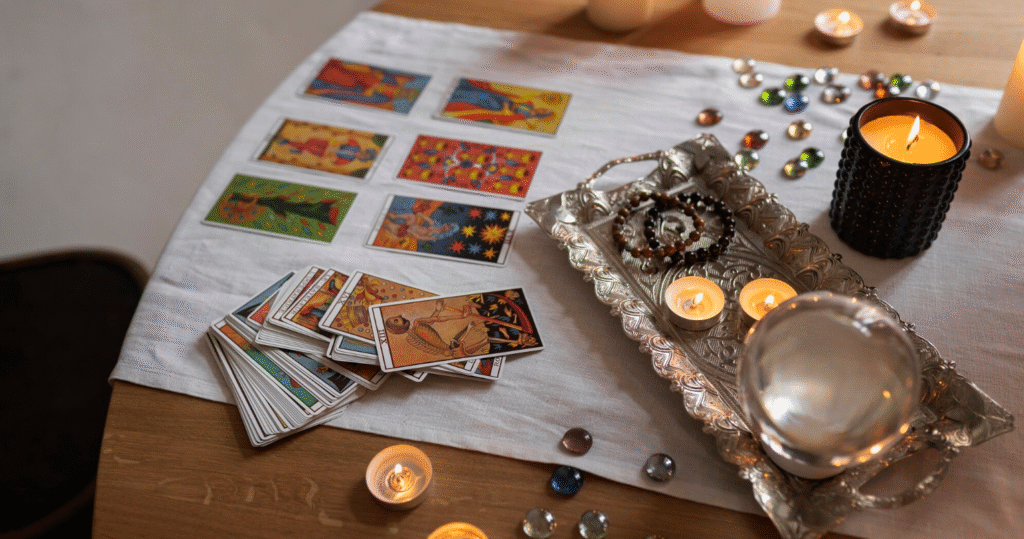
The three-card spread is a versatile option and is great for exploring a situation or question in a bit more depth. Here's what each card represents:
• First Card: Past influences (events or experiences that have led to the current situation).
• Second Card: Present situation (what’s happening now or the energy around you).
• Third Card: Future outcome (what could happen or what actions you should take).
Five-Card Spread
For more detailed readings, the five-card spread is a great option. This spread can offer a broader perspective, providing insight into various aspects of your life or situation. Each card can represent different elements such as your challenges, strengths, advice, and future possibilities.
Step 3: Shuffle and Draw Your Cards
Once you’ve chosen your spread, it’s time to shuffle the cards. Hold the deck in your hands, and as you shuffle, focus on your question or intention. If you’re doing a reading for a friend, ask them to focus on their question as well.
When you feel ready, draw the cards. You can draw them one by one and place them face down in the spread layout. If you're using an online tarot tool, the platform will typically shuffle the cards for you, and you can simply click to draw them.
Step 4: Interpret the Cards
1. Now comes the fun part: interpreting the cards. Each tarot card has its own symbolic meaning, but the interpretation depends on the card’s position in the spread and its relationship to the surrounding cards. Here are some general tips for interpreting the cards:
2. Observe the Imagery: Tarot cards are full of symbolism. Look at the images on each card and let your intuition guide you. What emotions or thoughts arise as you view the card? The imagery can provide powerful insights.
3. Refer to Card Meanings: Each card has a traditional meaning, which can help guide your interpretation. For example, the Empress represents abundance, creativity, and nurturing, while the Tower signifies sudden change or upheaval.
4. Consider Reversed Cards: If a card is drawn upside down (reversed), it may indicate a blockage or challenge related to the energy of that card. For example, a reversed Lovers card might point to a relationship that’s facing difficulties.
5. Use Your Intuition: While traditional meanings are helpful, tarot is also about intuition. Let your gut feelings guide you as you interpret the cards. Pay attention to how the cards make you feel or any messages that pop into your mind.
6. Look for Patterns: As you interpret the cards, try to find patterns or connections between them. How do the cards relate to each other? Are there repeating symbols or themes?
Step 5: Reflect on the Reading
After interpreting the cards, take a moment to reflect on the reading. Write down your insights in a tarot journal if you’re keeping one. How do the cards align with your situation or question? Did any card or message stand out to you? Reflecting on the reading can deepen your understanding and provide additional clarity.
If the reading is unclear, don’t be discouraged. Tarot readings aren’t always straightforward, and sometimes the meaning becomes clearer with time. You can always revisit the reading later or do another one for further insight.
Step 6: Offer a Reading to a Friend
Performing a tarot reading for a friend is similar to reading for yourself, with one important difference: You’ll want to ask your friend to focus on their question or situation. Here's a step-by-step guide:
1. Prepare Your Friend: Ask them to sit comfortably and relax. Encourage them to think about the question or issue they want to explore.
2. Follow the Same Process: Choose a spread, shuffle the cards, and draw them. Interpret the cards as you would for yourself, but be mindful of their energy and how they may interpret the reading.
3. Discuss the Reading: Once the reading is complete, ask your friend how they feel about the insights. A tarot reading is a conversation, and it’s important to provide a supportive space for reflection.
Conclusion
Performing a simple tarot reading for yourself or a friend is an insightful and enjoyable practice. By setting clear intentions, choosing a simple spread, and trusting your intuition, you can uncover powerful insights and guidance. Whether you’re using tarot for self-reflection, decision-making, or spiritual growth, the more you practice, the more you’ll deepen your connection with the cards. So, grab your tarot deck, relax, and let the cards guide you on your journey!


