
When you’re struggling with mental health challenges or living with Post-Traumatic Stress Disorder (PTSD), it can feel like no one truly understands what you’re going through. But what if healing could begin by simply sitting in a room (or a virtual space) with people who do understand—because they’ve been there too?
That’s the power of peer support groups.
In recent years, peer support has become a cornerstone of many mental health and PTSD recovery journeys. It’s not therapy—but it is therapeutic. In this article, we’ll explore what peer support groups are, how they help, and why they play such a vital role in healing.
What Are Peer Support Groups?
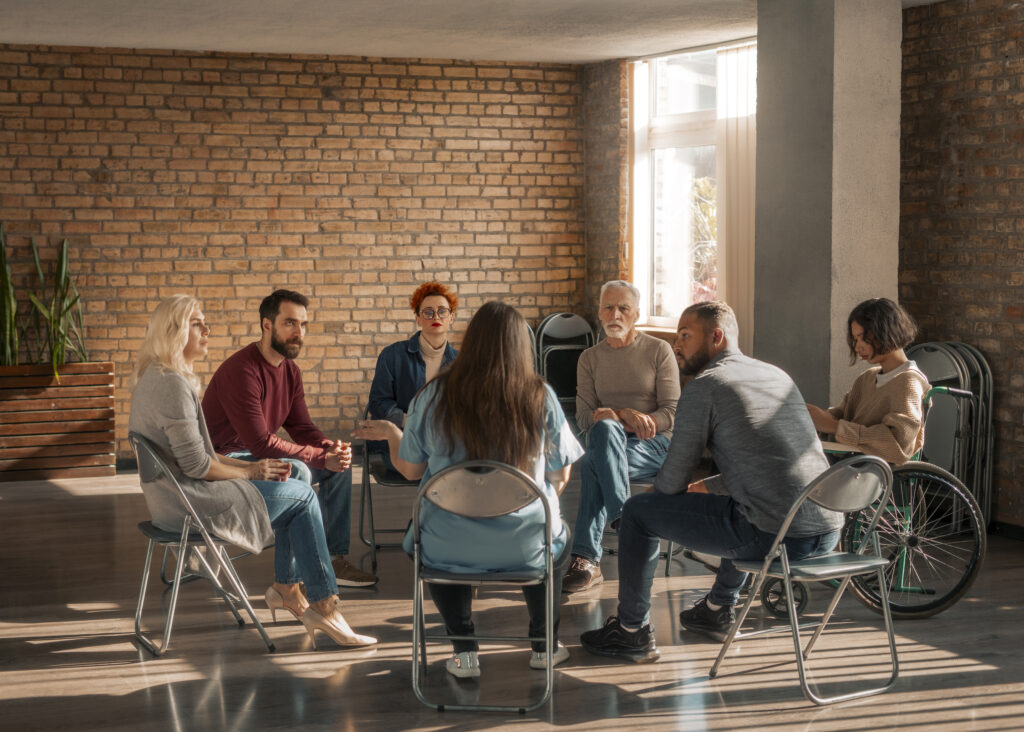
Peer support groups are gatherings of individuals who share similar experiences—whether it’s trauma, mental illness, addiction, grief, or life transitions. These groups offer a space where people can talk openly, listen without judgment, and support one another on the path to recovery.
Peer support can take many forms:
• In-person support groups
• Online communities or forums
• Peer-led workshops or meetups
• One-on-one peer mentoring
Unlike traditional therapy, peer support is not led by clinicians. Instead, it’s facilitated by people who have personal experience with the issue at hand—often referred to as peer support specialists or peer mentors.
Why Peer Support Matters in PTSD and Mental Health Recovery
Living with PTSD or mental health challenges can feel incredibly isolating. You may feel different from others, misunderstood, or ashamed of your symptoms. Peer support breaks through that isolation by offering connection, empathy, and shared understanding.
1. Validation Through Shared Experience
Sometimes, just hearing “Me too” can be life-changing. Peer support groups remind people that they’re not alone, and that others have felt the same fear, guilt, confusion, or sadness.
This sense of belonging reduces shame and builds trust—two essential ingredients for healing.
According to the Substance Abuse and Mental Health Services Administration (SAMHSA), peer support has been shown to improve quality of life, increase hope, and reduce hospitalizations for people with serious mental illness.
2. Reducing Stigma and Shame
Talking openly about mental health or trauma can be difficult—especially in cultures or communities where there’s stigma. Peer support creates a safe, judgment-free zone where people can speak freely without fear of being dismissed or labeled.
This openness helps normalize mental health struggles and encourages people to seek additional help when needed.
3. Learning Coping Skills from Real Life
In a peer support group, you don’t just share stories—you learn from them. Members often exchange practical strategies for managing anxiety, navigating triggers, or handling relationships after trauma.
Hearing how others have coped can spark new insights and inspire hope.
4. Building Empowerment and Self-Worth
In traditional mental health care, patients may feel like passive recipients of treatment. Peer support flips that dynamic by encouraging active participation.
Over time, sharing your story and helping others builds confidence and purpose. You realize: I’m not just surviving—I’m helping someone else heal too.
Peer Support and PTSD: A Powerful Match
PTSD brings a unique set of challenges—flashbacks, hypervigilance, emotional numbing, and deep mistrust of others. These symptoms can make it hard to connect with friends or even therapists.
But peer support creates a space where trauma survivors feel seen, heard, and safe.
Key benefits for PTSD recovery include:
• Feeling understood without needing to explain every detail
• Practicing safe social connection in a controlled environment
• Learning grounding techniques and emotional regulation from others
• Witnessing examples of resilience and recovery first-hand
A study in Psychiatric Services found that veterans with PTSD who engaged in peer support showed significant improvements in self-efficacy and emotional regulation compared to those who only received standard treatment.
What Makes Peer Support Groups Effective?
Not all groups are created equal. The most effective peer support groups share these qualities:
• Facilitator training: While peer-led, having trained facilitators ensures safety and structure.
• Clear group guidelines: Confidentiality, respect, and non-judgmental listening are key.
• Consistency: Regular meetings help build trust and stability.
• Inclusivity: All members feel welcome, regardless of background or beliefs.
• Access to resources: Groups that can connect members to therapists, crisis lines, or services add an extra layer of support.
How to Find a Peer Support Group
If you’re looking for a peer support group, here are a few starting points:
• Local mental health organizations (e.g., NAMI, Mental Health America)
• Veterans Affairs (VA) or military family support services
• Online platforms like 7 Cups, SupportGroups.com, or Reddit mental health forums
• Religious or community centers
• Hospitals or therapy practices may also offer peer support sessions
Don’t be discouraged if the first group isn’t the right fit. Finding the right space may take time, but it’s worth the effort.
Final Thoughts
Healing from PTSD or managing mental health challenges doesn’t have to be a solo journey. Peer support groups offer a bridge between isolation and connection, between surviving and truly living.
In these groups, you’ll find people who don’t just sympathize—they get it. You’ll learn that your story matters. That your struggles are valid. And that healing, though not always linear, is absolutely possible.
Sometimes, the most powerful words in recovery are not “I understand”—but “I’ve been there too.”


