
Taking the first step toward a drug rehab can feel like standing at the edge of something unknown. Whether it’s for yourself or someone close to you, it’s completely normal to feel nervous, hopeful, or unsure. You might wonder what really happens inside a treatment center or how long it takes to feel like yourself again.
The truth is, inpatient rehab isn’t about control or isolation. It’s about care, structure, and healing in a safe environment designed to help you rebuild. By stepping away from daily stress and triggers, you give your body and mind the space they need to recover fully.
To ease your mind, this article explains what an inpatient rehab program in Georgia looks like, from those first few days to the transition home.
Keep reading.
What Exactly Is Inpatient Rehab?
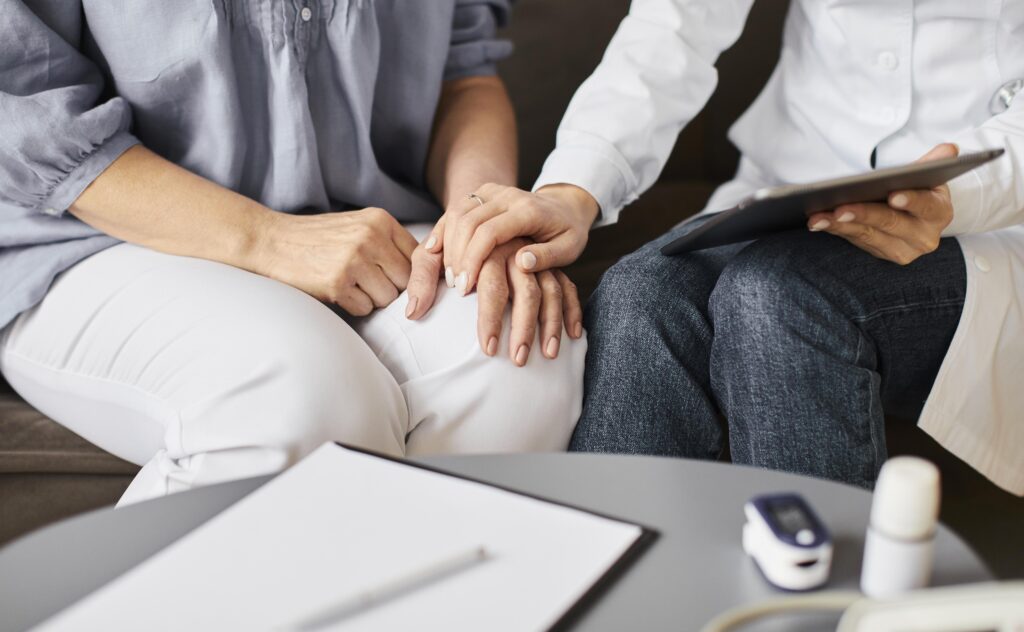
Inpatient rehab, also known as residential treatment, is a full-time recovery program where patients live on-site while receiving professional care. Unlike outpatient programs, it provides round-the-clock support from doctors, nurses, therapists, and counselors who guide every step of the healing process.
Days in most leading facilities for inpatient drug rehab in Georgia are thoughtfully planned, balancing therapy, rest, and wellness. At Riverfront Recovery, for example, programs include group sessions, medical check-ins, nutritious meals, and time for quiet reflection. The environment feels calm and safe, allowing individuals to step away from daily pressures and start rebuilding strength both physically and emotionally.
For many, this consistency becomes the foundation of lasting recovery.
While many facilities focus broadly on substance abuse, some individuals require specialized care tailored specifically to alcohol dependency. Choosing a dedicated residential alcohol treatment center allows patients to address the unique physical and psychological challenges of alcohol withdrawal and recovery. These specialized programs combine medical detox with targeted therapy to help rebuild daily habits. This focused environment helps people understand their triggers in a supportive, substance-free setting. Ultimately, having access to professional staff who understand the specific timeline of alcohol recovery makes a significant difference in long-term success.
The Step-by-Step Journey Through The Approach
Every recovery journey is different, but most residential programs follow a similar rhythm. Here’s what the process typically looks like from the first few days through to life after treatment.
Early Days: Schedule and Detox
The first few days inside a program are all about adjusting to a new environment. Patients meet their care team, learn about the daily schedule, and settle into their rooms. This phase can also include detox if the body needs to safely clear substances.
Detox is closely monitored by medical professionals to make sure you’re comfortable and supported. The goal is not to rush the process but to ease symptoms safely with medication and supervision. Staff members check in regularly, offer reassurance, and make sure nutrition and hydration are maintained. For example, those looking for a structured and comfortable setting often seek out a professional drug detox los angeles program to begin their recovery journey. These programs focus on personalized intake assessments and immediate medical supervision. Having a dedicated team nearby helps manage the physical challenges of withdrawal.
During this time, a gentle routine begins to take shape. Mornings might start with a health check and breakfast, followed by light therapy sessions or journaling time. Afternoons often include rest or mindful activities to help the body recover. It’s a time of adjustment, but also the first sign that healing is possible.
The Daily Residential Routine and Core Therapies
Once the detox phase is complete, daily life becomes more structured. Each day follows a schedule that balances therapy, wellness, and self-reflection. Morning sessions may include mindfulness or light exercise, followed by group or one-on-one therapy. These sessions focus on identifying triggers, building coping skills, and understanding the root causes of addiction.
Therapies often include evidence-based approaches like cognitive behavioral therapy, relapse prevention training, and trauma-informed counseling. Family therapy sessions are also common, helping to rebuild communication and trust. Meals are served at regular times, and evenings often end with quiet reflection or group support.
This predictable rhythm helps patients regain balance and a sense of normalcy. Over time, the structure that once felt strict begins to feel comforting — a sign that the mind and body are learning new habits of health.
Activities, Life Skills, and Whole-Person Care
The approach isn’t just about therapy. It’s about rediscovering what it feels like to enjoy life again. They also combine traditional treatment with holistic activities designed to strengthen the body and calm the mind. Patients may take part in yoga, creative arts, fitness training, or nature walks.
These activities help rebuild confidence and teach simple, healthy ways to cope with stress. They also encourage social connection and teamwork, reminding patients that recovery is about community, not isolation.
Each activity has a purpose — to help patients reconnect with themselves in ways that feel positive and sustainable.
Aftercare Planning and Transition
As treatment nears its end, the focus shifts toward maintaining progress outside the center. The care team works with each person to design a personalized aftercare plan. This might include continued therapy, outpatient programs, or support groups that reinforce long-term goals.
Aftercare is about building safety nets. Patients leave with practical tools for stress, cravings, and real-world challenges. Some may move into sober-living homes, while others return to their families with regular therapy check-ins. The goal is to transition back to life feeling stable, supported, and ready to move forward.
Closing Thoughts
Inpatient rehab isn’t about giving up control — it’s about regaining it. Each day inside treatment brings a chance to heal, rebuild, and find clarity again.
Recovery takes courage, but you never have to do it alone. The right program can provide the care, compassion, and structure needed to turn fear into confidence and uncertainty into hope. The journey begins with one decision and the rest unfolds, one healthy, steady day at a time.