
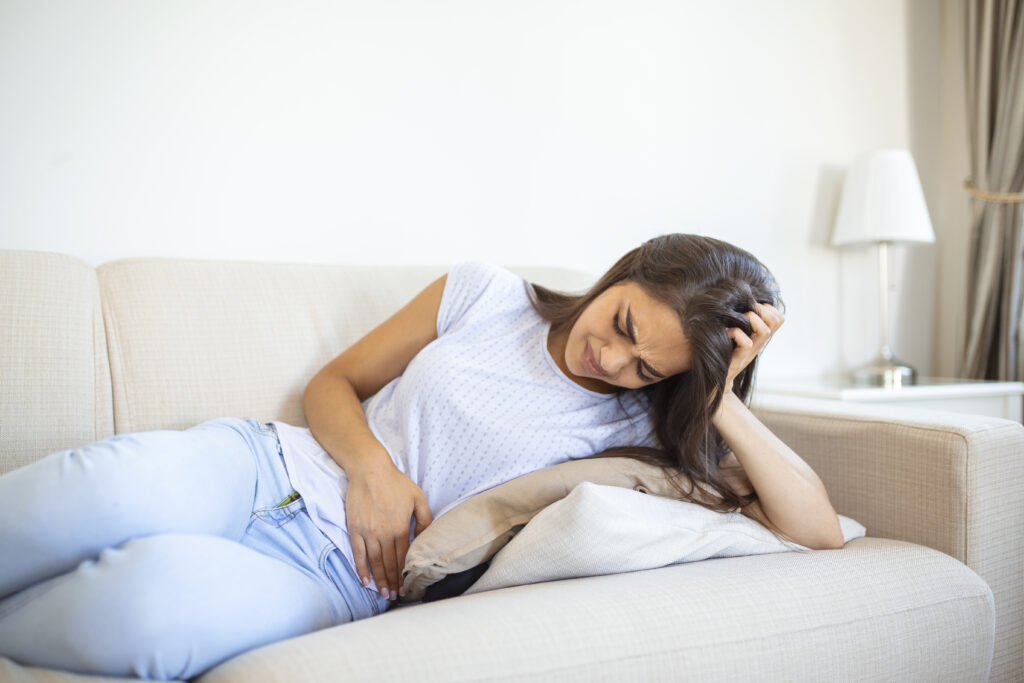
Every month, millions of women experience that familiar dull, throbbing, sometimes sharp pain in the lower abdomen that comes right before or during menstruation. Dysmenorrhea, or what most people call menstrual cramps, is mild and manageable for some but can be strong enough to disrupt daily routines for others.
If your cramps seem unusually severe or persist despite home remedies, it’s always wise to consult a gynecologist. However, for most women, dysmenorrhea can be managed safely at home through natural and medical approaches that bring lasting relief. Here are a few suggestions:
1. Try a Gentle Massage
A comforting and effective way to manage menstrual cramps is through gentle abdominal massage. When done correctly, this encourages better blood flow, loosens tight muscles, and promotes relaxation, which helps reduce uterine contractions that cause pain.
To start, use a small amount of massage oil to help your hands glide smoothly over your skin. You can create a soothing blend by mixing a few drops of essential oils such as lavender, clary sage, or rose with a carrier oil like coconut or jojoba. Then, place your hands on your lower abdomen and make slow, circular motions for five to ten minutes.
If you want a bit more help, a transcutaneous electrical nerve stimulation or TENS massager can be a useful tool. This small device delivers mild electrical pulses that interrupt pain signals and help your body release natural painkillers called endorphins. A TENS massager is handy and easy to use. You simply stick the electrode patches to the area where you feel the pain, then select the intensity setting that feels best. Make sure to get your device from a trusted supplier to ensure its safety and effectiveness.
2. Use Heat to Relax
One of the simplest yet most effective ways to manage dysmenorrhea is through heat therapy. Heat helps relax the muscles of your uterus, improves blood flow, and reduces tension, giving you a noticeable sense of comfort.
You can use a warm compress, a heating pad, or even a hot water bottle wrapped in a soft cloth. Place it gently on the affected area for about 15-20 minutes; make sure it isn’t too hot so it doesn’t burn or irritate your skin.
If you have a tub, a warm bath works wonders as well. Adding a few drops of lavender or rose essential oil makes the experience even more relaxing, while the steam helps loosen tight muscles. For the best results, try to soak for at least 15 minutes and allow your body to fully unwind.
3. Move Your Body
It might seem counterintuitive to get moving when your abdomen feels heavy or sore, but gentle movement can help make you feel better. That’s because exercise increases circulation, reduces inflammation, and releases endorphins, all of which make you feel better physically and emotionally.
You don’t need to do anything intense. A 30-minute walk, a short bike ride, or even a few minutes of stretching can already make a difference. For example, yoga poses like the child’s pose, cat-cow stretch, or reclining bound angle open up your hips and ease pelvic tension. Beyond physical relief, yoga encourages deep breathing and mindfulness, both of which help you stay calm and centered.
4. Choose Healthy Foods
What you eat before and during your period also plays a big role in how you feel. Some foods can help your body heal, while others can make cramps worse. For instance, fruits, vegetables, and omega-3-rich foods like salmon or sardines reduce inflammation and support hormone balance. Healthy fats from avocados and olive oil also improve circulation and ease muscle tension.
On the other hand, salty snacks, caffeine, and alcohol can increase bloating and discomfort. So, when your period is near, it's better to cut back on instant noodles and chips to minimize water retention and make cramps less intense.
It’s equally important to stay hydrated. Dehydration can worsen cramping, so aim for at least eight glasses of water daily. If plain water feels boring, try infusing it with cucumber, lemon, or mint for a refreshing touch. Limit your intake or avoid sodas, especially those that contain caffeine.
Moreover, if you’re open to supplements, research suggests that magnesium, vitamin B1, and omega-3 fatty acids may help reduce period pain. As a reminder, make sure to check with your doctor first before taking any new supplement.
5. Take Over-the-Counter Pain Relievers
Sometimes, even with all the natural remedies, cramps can still hit hard. When that happens, over-the-counter (OTC) medicines can offer quick and reliable relief. These medications work by reducing prostaglandins, which are the hormone-like substances responsible for uterine contractions and pain.
Among the most effective options are nonsteroidal anti-inflammatory drugs (NSAIDs), such as ibuprofen or mefenamic acid. For mild pain, paracetamol can also help, especially if NSAIDs irritate your stomach or if you have allergies. Whatever you choose, the goal is to relieve pain and reduce inflammation. Ideally, it’s best to take them at the first sign of discomfort rather than waiting for the pain to peak. Doing so can stop cramps from becoming too intense.
Always follow the dosage instructions carefully and take these medicines with food to protect your stomach. If you have conditions involving your liver, kidneys, heart, or stomach ulcers, check with your healthcare provider before taking any pain medication.
Manage Dysmenorrhea for Lasting Relief
Dysmenorrhea may be a natural part of life, but it doesn’t have to define your days. Whether it’s the convenience of a TENS massager, the comforting warmth of a hot compress, or the calm of a yoga session, you have several options to choose from. The key is to listen to your body and care for it consistently. After all, your body works hard every single month. It deserves all the patience, care, and kindness you can give.
But if your pain remains intense despite these methods, don’t hesitate to talk to a healthcare provider. Sometimes, persistent cramps could indicate a condition that needs professional attention.