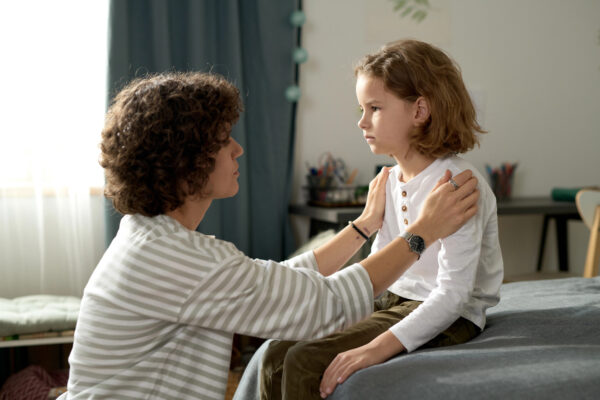
Life with kids is not supposed to be quiet. It’s not as we were taught in movies. It’s stressful and messy, but also beautiful at the same time (if you’re a parent, then you already know). Their laughter, running around, and making funny noises are something that’s priceless, but yeah, it’s also a bit tough to manage, sometimes. That’s why we’re introducing… the calm corner, and you’ll love it.
The purpose of a calm corner isn’t just to serve as a quiet place, but to support emotional regulation, reduce overstimulation, and provide many other benefits. Calm corner can also boost creativity, and those are all great things to achieve in a world where more kids are spending screen time during the day than quality and beneficial one.
People usually try to create such a place for their kids indoors, but outdoors can also be used for that, with even more positive effects on your youngest ones.
If you aren’t using all the possibilities your backyard can provide, this guide is for you. Here are great ideas on how you can use one small space and create a place where your kids are going to run into every day.
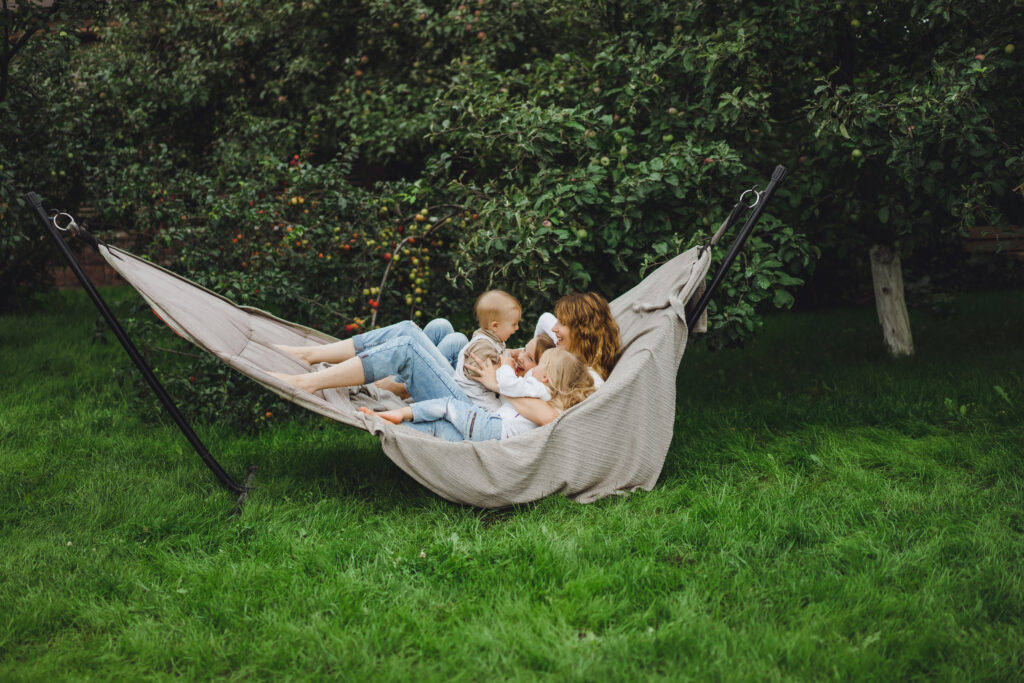
Why Outdoor Calm Corners Work
Nature provides so many beautiful things that are great for our nervous system, especially for children. Sunlight, birdsong, and fresh air, even when you think about these things, you get a feeling of calmness and relaxation. The same will happen to your children if they spend time in natural surroundings.
Your kids can relax and calm down in a thoughtfully designed outdoor space; this will probably be a nice detoxing remedy to reduce that doomscrolling and brainrot (phones or the TV). It’s basically a special area where your kids can sit, breathe, think, read, or just enjoy observing their surroundings.
This is far different from the playground setup, and there’s no pressure to play. The idea it to soak in something new and possibly unfamiliar.
Step 1: Choose the Right Spot
You don't need a huge yard to create that special space for your kids. In fact, a corner with a bit of sunlight (not too much so it doesn’t hurt their eyes while playing) and a bit of privacy will do the trick just fine.
Try to find a position that is:
• Away from high-traffic areas like driveways or tool sheds
• Not in the direct path of wind or sun
• Naturally quieter (e.g., near hedges, trees, or plant beds)
• Use temporary structures like trellises or even tall planters if you have to block off the area. In a shared garden or urban setting, look into using portable screens or room dividers.
Often, just a few big planters are sufficient to give the illusion of separation that says, ‘this space is different’.
Step 2: Choose the Right Ground Materials
Every parent knows that expecting children to sit and play, or lie only on the bed, is something impossible. Children love the ground, and that is totally fine. But that is also the reason why you need to find a good material that feels good while walking on it, that doesn’t overheat, and drains well after rain.
To provide the best comfort for your children, choose a quality option for the ground material.
Here are some common options and price comparisons:

While the prices may vary from supplier to supplier, you can expect to pay more for higher-quality materials. For example, paver stones will usually cost you about six times more than bark mulch. If you want more premium materials, you've got to pay more – it’s always been like that.
If you’re looking to buy new ground cover for this type of project, you’ll need those landscape supplies. You can find a nearby supplier with a quick online search by typing “landscape supplies near me” into any search engine. A dozen results will pop up, all you got to do is choose. Just pick the best one in your area, because it is the most practical solution. Make sure to choose materials that are safe and accessible, because your children are going to spend the most time there.
Step 3: Add Practical (and Comfy) Seating Options
Kids don’t need a big bench or heavy furniture. No great benches or heavy sofas needed. Light, portable pieces are best.
Here are some ideas:
• Tiny Adirondack chair
• Fabric hammock chair or fabric swing
• Portable beanbag or pouf for outdoors
• Tree stumps or recycled wooden crates
• Place a soft cushion or water-resistant blanket nearby so your child may lie and look up at the sky.
Step 4: Add Natural Anchors for a bit of Calm
Adding nature-specific aspects adds to the healing effect. Don't overthink it too much; just go with the flow.
Here are a couple of ideas of what you could do:
• A wind chime or bamboo bell for a soothing sound
• A miniature birdbath or little fountain for water sounds
• A small pot with lavender, mint, or lemon balm (all calming aromas)
• Painted rocks, shells, or pinecones for sensory play
You can even include a chalkboard or wooden sign stating ‘quiet zone’, setting expectations and reducing interruptions.
Creating a calm corner in your backyard doesn't require (too) much money or lots of landscaping. It’s more about you actually wanting it and going for it. You know… choosing the right materials, installation, and sensory inputs to develop your kid’s emotions – that’s the main goal. Even a 4x4 patch in the backyard is plenty fine; what matters is how it makes them feel.
Over time, spending time in this spot can be a healthy habit that develops with them, plus it’ll be a great little spot for making some really nice and fun memories!
If your kid’s happy, it’s a good memory!