Finding ways to manage anxiety and stress is important for maintaining a balanced lifestyle. Many people experience these feelings and seek out methods to improve their well-being. It's important to be aware of various techniques that can help reduce these feelings in daily life.
Exploring different methods is key to finding what works best for reducing anxiety and stress. Options that can be explored include using grounding mats for energy and focus, or breathing exercises and physical activities. The usage of grounding products can be an alternative way to help people feel more at ease and improve their quality of life.

Practice Mindfulness Meditation
Mindfulness meditation can help reduce stress and anxiety through simple exercises. One method involves focusing on breathing for a few minutes. This can help calm the mind and body and offer a sense of peace.
Guided imagery is another useful technique in mindfulness meditation. It involves visualizing peaceful scenes, like a quiet beach or a calming forest. This practice can help people feel more relaxed.
Another approach is to pay attention to physical sensations. This could be the feeling of your feet touching the ground or the sensation of air flowing in and out as you breathe. By focusing on these details, it becomes easier to stay present.
These mindfulness exercises are simple enough to be done at any time, and they provide a quick way to reduce stress.
Engage in Regular Physical Exercise
Physical exercise is a natural way to relieve anxiety and stress. Activities like running, biking, or even walking can help release tensions built up throughout the day. Regular movement can decrease stress hormones, leading to a calmer state of mind.
Aerobic exercises are known for their positive impact on mental health. They can elevate mood and provide a sense of relaxation. A consistent routine can improve overall well-being, offering both mental and physical benefits.
More gentle forms of exercise, such as stretching or yoga, can also help reduce stress. These activities focus on controlled breathing and gentle movements, promoting relaxation.
Incorporating physical activity into daily life can be a straightforward way to manage anxiety. Whether through high-energy sports or relaxed stretching, exercise offers a simple solution to ease stress.
Try Deep Breathing Exercises
Deep breathing exercises can be a simple way to help relieve anxiety and reduce stress. These exercises focus on slow, controlled breathing to relax the mind and body.
One effective method is to breathe deeply through the nose, letting the breath fill the lungs fully. Hold the breath for a moment, then slowly release it through the mouth.
Another technique is diaphragmatic breathing. This involves engaging the diaphragm, allowing the belly to rise and fall with each breath. This practice can help calm nerves and improve focus.
For those looking for more techniques, engaging in specific exercises like pursed lip breathing or diaphragmatic breathing can deepen relaxation even further. It's important to practice regularly for optimal benefits.
Connect with Supportive Friends or Family
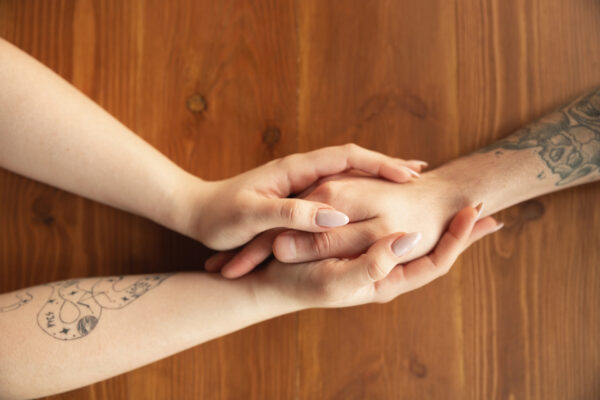
Reaching out to supportive friends or family members can help ease anxiety and stress. Talking about feelings and sharing experiences often lightens emotional burdens. It creates a sense of companionship during tough times. Close relationships can provide a feeling of safety and support.
Spending time with loved ones can also help distract from stress. Enjoying activities together or simply talking can provide comfort. Social connections may improve mood and help manage stress better.
Laughter and shared moments with friends or family can lead to increased happiness. Strengthening these bonds can lead to better mental health. Supportive relationships provide a foundation for navigating life's challenges together.
Utilize Yoga or Tai Chi
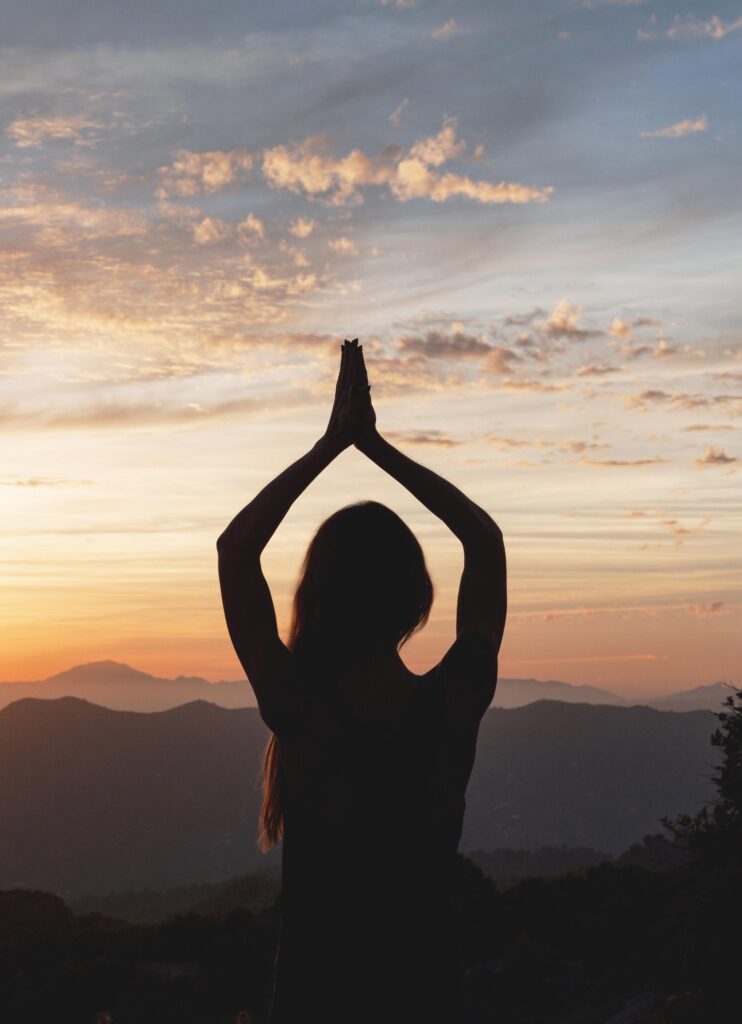
Yoga and tai chi are great ways to relieve stress and anxiety. Both practices focus on gentle movements combined with breathing exercises to promote relaxation. They encourage mindfulness, which helps shift attention away from stress.
Yoga involves a series of poses that improve flexibility and strength. It also integrates deep breathing and meditation to calm the mind. Just 15-20 minutes a day can make a difference.
Tai chi, often described as meditation in motion, consists of slow, flowing movements. It helps improve balance and reduces tension. Regular practice can lead to a peaceful state of mind.
For anyone looking to reduce stress, incorporating yoga or tai chi into their routine can provide lasting benefits. Practicing these techniques regularly is accessible and beneficial for people of all ages and fitness levels.
Incorporate Guided Imagery Sessions
Guided imagery is a technique that can help reduce anxiety and stress. It involves focusing on calming images or scenes. During a session, a person imagines peaceful settings like a beach or forest. This mental escape can create a sense of calmness and relaxation.
This method is often used to manage stress by visualizing positive places. People can practice this by listening to audio tracks that guide them through a scenic journey. It encourages relaxation by using detailed descriptions that bring the scene to life.
Guided imagery is simple to try at home. Find a quiet space, close your eyes, and imagine a setting that brings peace. Regular practice may lead to reduced stress levels and improved mental well-being.
Maintain a Well-Balanced Diet
Eating a balanced diet helps manage stress and anxiety. Foods rich in whole grains, fruits, and vegetables are great choices. They provide important nutrients and help keep energy levels stable.
Complex carbohydrates like whole grains and brown rice can boost serotonin, a chemical in the brain that helps improve mood. They give a steady source of energy without causing spikes in blood sugar.
Including foods high in omega-3s and vitamin E, such as nuts and seeds, can also be beneficial. These nutrients have been linked to reducing stress and anxiety when part of a healthy diet.
Limiting processed foods and sugary snacks can prevent mood swings and irritability. Instead, focusing on nutritious options helps promote both mental and physical well-being.
Reducing anxiety and stress is important for maintaining mental well-being. Simple activities, such as deep breathing exercises and yoga, can be effective. These techniques can help manage stress in daily life.
Regular exercise and a balanced diet support a calm mind and body. Limiting screen time and practicing self-care are also beneficial for stress relief.
Implementing these methods can lead to a healthier lifestyle and improved mental health. Stay consistent with these practices for the best results.