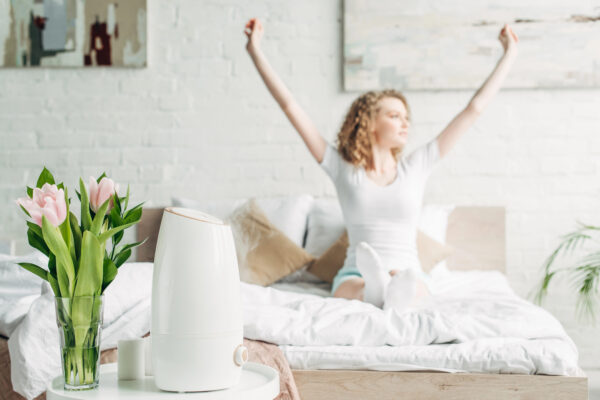
Ever notice how some rooms in your house feel like a sauna while others feel like an icebox? You adjust the thermostat, but no matter what, these cold spots just won’t warm up. It’s frustrating, right?
But there’s good news. Uneven heating isn’t something you have to live with—it has specific reasons. And with a few simple tweaks, you can get every room feeling just as warm and comfortable as the rest.
Curious? Let’s break down what’s causing those chilly spots and, more importantly, how to get rid of them for good!
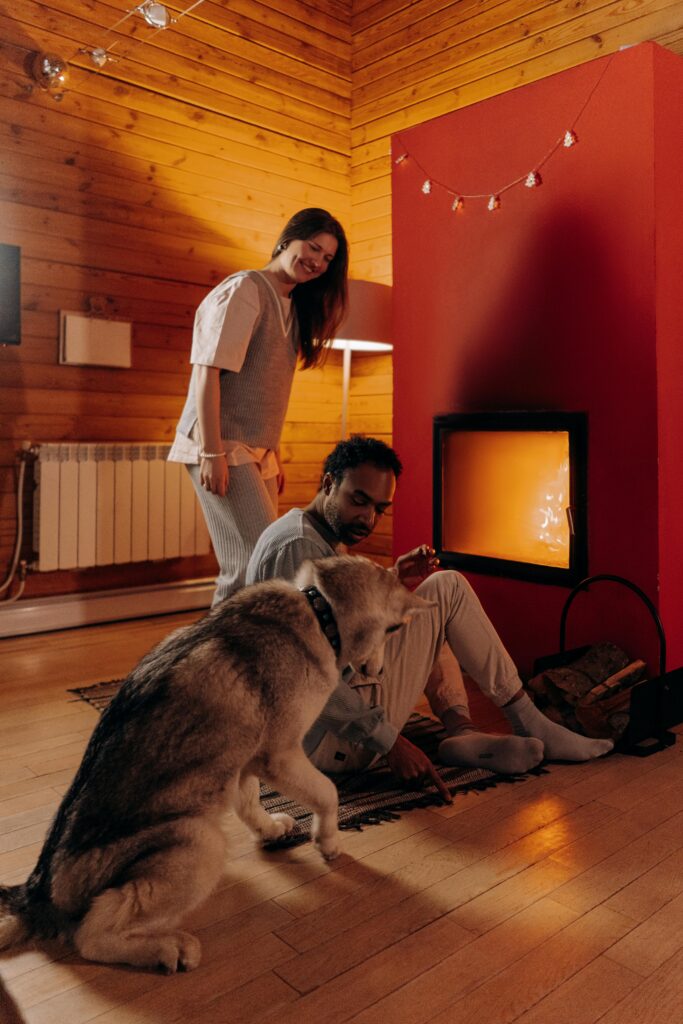
The Common Causes of Cold Rooms
There are a few common reasons why heat doesn’t spread evenly throughout your home. These include:
Inefficient System
Your heating system is supposed to push warm air evenly through your home. But sometimes, that doesn’t happen. If you have an inefficient system, issues like clogged air filters, blocked vents, or duct leaks could be to blame. Heat might be getting lost before it even reaches certain rooms.
Poor Insulation
Heat escapes more easily than you might think. If your walls, floors, or attic don’t have enough insulation, warmth can seep right out. This leaves certain rooms feeling colder than others. You might notice this problem more in older homes or rooms with a lot of exterior walls.
Ventilation Issues
Good airflow is key to even heating. If vents are blocked by furniture, rugs, or curtains, warm air can’t circulate properly. Closed or obstructed vents in one part of the house can cause another area to overheat.
How to Fix It
Now that you know what’s causing the problem, let’s talk about solutions
Check Your Heating System
Before making any adjustments, it’s important to check if your heating system is running efficiently. A sound system will distribute heat evenly without overworking itself. Start by checking your air filters—if they’re dirty, replace them. Also, make sure your vents are open and unblocked. If your system is old and struggling to keep up, it might be time to upgrade to a more efficient option.
One standout option that provides excellent even warmth is an oil-based furnace. It distributes heat through ducts, ensuring every room gets proper airflow. Plus, it runs on heating oil, which is often more budget-friendly than electricity or gas. Moreover, many providers, like Romeos Fuel, even offer home delivery services for the oil. This makes it easy to keep your tank full without worrying about unexpected runouts or braving the cold for a refill.
Seal Drafts and Insulate Properly
Stopping heat from escaping is one of the easiest ways to fix uneven heating. If certain rooms are always chilly, check for drafts around windows and doors. Adding weatherstripping or using draft stoppers can prevent warm air from slipping out.
For a bigger impact, consider insulating your attic and walls. This helps trap heat inside, making your home feel warmer without cranking up the thermostat.
Address Heat Loss Through Windows
If you have older windows, they could be letting out more heat than you realize. While replacing them with double-pane windows is ideal, there are easier fixes too. Window insulation film is a cheap and effective way to reduce heat loss.
You can also use heavy curtains or install thermal blinds for extra protection. Even small steps like adding a door sweep to block cold air from creeping in under doors can make a big difference.
Manage Humidity
Dry air feels colder, which can make your home seem chillier than it actually is. Using a humidifier can add moisture to the air, making it feel warmer without adjusting the thermostat. This is especially helpful in winter when indoor air tends to be drier.
Houseplants can also help maintain humidity levels naturally. Plus, they improve air quality and make your home feel cosier!
Smart Heating Habits
Small changes in daily habits can help keep your home evenly heated. Try these simple tips:
Keep interior doors open – This allows heat to flow freely between rooms.
Use ceiling fans on low and in reverse – This pushes warm air back down, keeping rooms warmer.
Close unused rooms – If you rarely use a certain room, keep its door closed so the heat stays in the main living areas.
Lower the thermostat at night – A cooler thermostat setting while you sleep saves energy and can prevent overheating in some rooms.
Uneven heating can be frustrating, but the solution doesn’t have to be complicated. By improving airflow, sealing drafts, and making smart adjustments, you can get every room feeling warm and cosy.
Start by identifying what’s causing the issue in your home, then apply the right fix. Whether it’s adjusting vents, improving insulation, or choosing a heating system that provides even warmth, small changes can make a big difference.