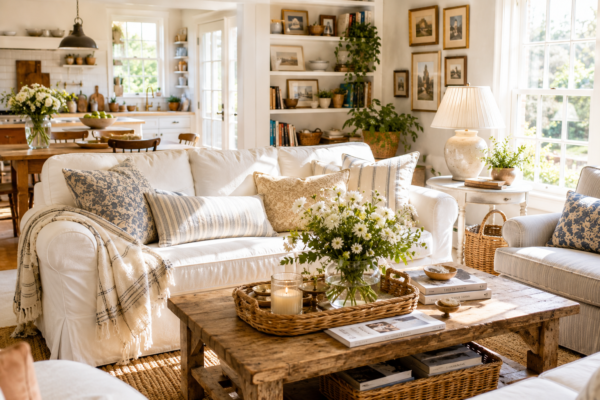
Children's furniture is more than just functional; it reflects cultural values, artistic traditions, and practical needs specific to different regions. Across the globe, designers and artisans create pieces that cater to children's comfort, safety, and growth while adding unique touches that make them special. From the minimalist designs of Scandinavia to the vibrant, multifunctional furniture of Japan, children's furniture tells a fascinating story of cultural diversity and innovation.
Fluted panels, а significant design trend, that has gained traction worldwide. These ribbed or grooved textures, often seen on wardrobes, beds, and desks, bring an element of sophistication and playfulness to children's rooms. Originating as a hallmark of classical architecture, fluted designs have been reimagined in contemporary furniture. They serve both an aesthetic and practical purpose, adding depth and structure while creating surfaces that are resistant to smudges and fingerprints—a boon in households with active children. Fluted panels are especially popular in Europe and the United States, where they are used to blend modern and vintage styles seamlessly.
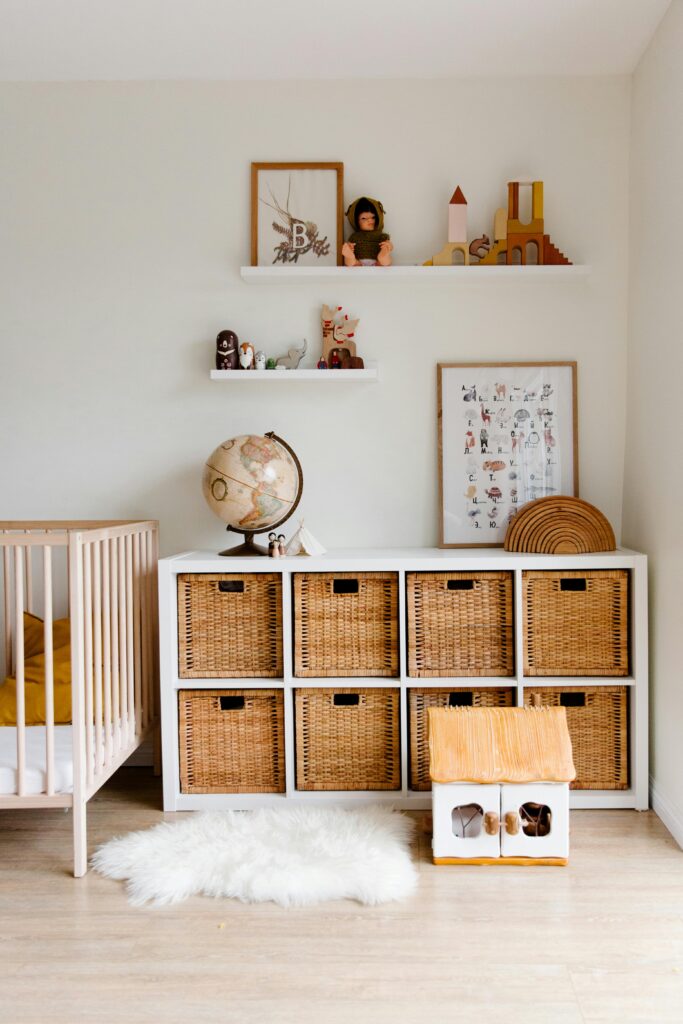
In Scandinavia, the emphasis on simplicity and functionality is evident in their children’s furniture. Rooted in the principles of minimalism, Nordic designs often feature clean lines, light wood tones, and pastel colours. Furniture is designed to grow with the child, offering adaptability as they transition from toddlerhood to adolescence. Popular items include height-adjustable desks and modular shelving units. Environmental consciousness also plays a vital role, with many pieces crafted from sustainably sourced materials. This reflects the region's broader commitment to eco-friendly practices.
Japanese children's furniture is equally thoughtful but takes a different approach. Prioritizing space efficiency, designers create multifunctional pieces that fit seamlessly into compact living spaces. For example, bunk beds often include built-in desks and storage compartments, maximizing usability. Bright colours and whimsical shapes inspired by nature or popular characters are common, making furniture fun and engaging for young minds. Durability and craftsmanship are also central to Japanese design, with pieces often constructed from solid wood to ensure longevity.
In contrast, Indian children’s furniture blends vibrant colours and traditional motifs with modern functionality. Artisans frequently incorporate hand-carved details, showcasing the country's rich heritage of craftsmanship. Materials like solid teak or mango wood are favoured for their durability and natural beauty. Indian furniture often emphasizes versatility, with many pieces serving dual purposes, such as beds with storage drawers or desks that convert into play areas. This approach not only saves space but also caters to the dynamic lifestyles of Indian families.
Africa offers a unique perspective on children’s furniture, with many pieces reflecting the continent’s diverse cultural heritage. Natural materials such as bamboo, rattan, and sisal are commonly used, lending an organic and earthy aesthetic to the designs. Handwoven furniture, like small chairs and cribs, is particularly popular. Bright colours and bold patterns, inspired by traditional African textiles, are often incorporated into the design, making each piece stand out as a work of art.
In the Americas, children’s furniture combines innovation with practicality. In the United States and Canada, the focus is often on creating themed rooms, with furniture designed to match. From pirate ships and princess castles to space stations and jungle adventures, the options are nearly limitless. In Latin America, furniture tends to emphasize durability and affordability, with many families opting for handmade wooden pieces crafted by local artisans. Brightly painted furniture and colourful textiles bring warmth and personality to children’s spaces.
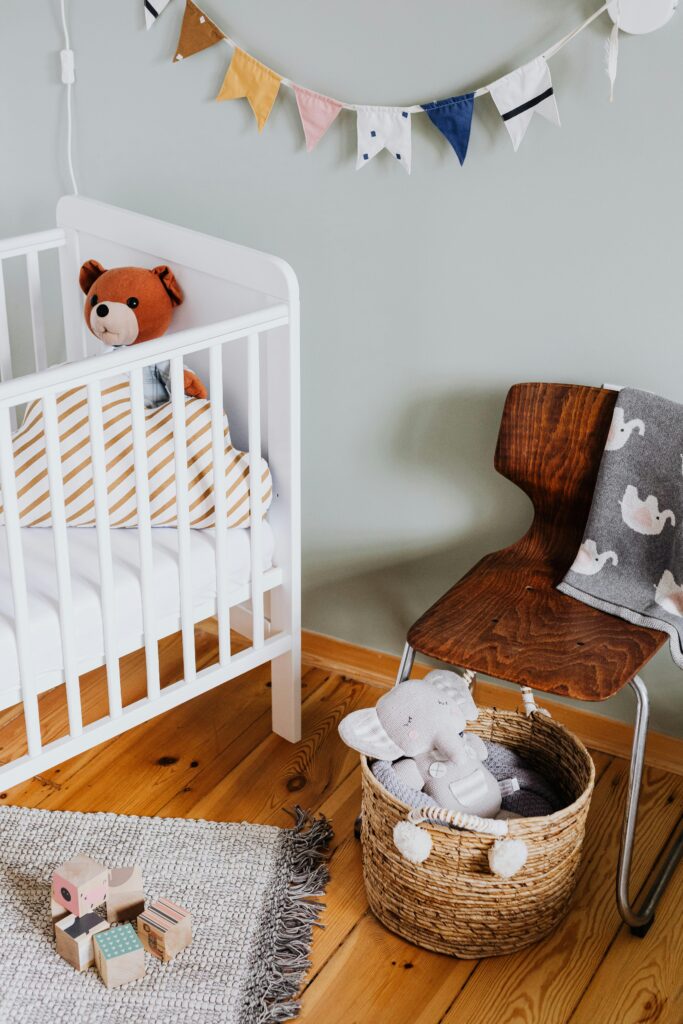
European countries outside Scandinavia also bring their own flair to children’s furniture design. France, for instance, is known for its elegant and timeless pieces that often feature intricate detailing and high-quality finishes. In Italy, the emphasis is on innovation and ergonomics, with furniture designed to support children's physical development. Both countries have embraced fluted panels, using them to add a touch of luxury and refinement to children’s rooms.
In Australia, children’s furniture often reflects the country's laid-back and outdoor-oriented lifestyle. Pieces are designed to be durable and versatile, with a focus on neutral tones and natural materials. Many Australian designers draw inspiration from the local environment, incorporating elements like eucalyptus wood or coastal motifs into their creations.
While each region has its unique approach, certain trends transcend borders. Safety and durability are universal concerns, with manufacturers implementing stringent standards to ensure their furniture is child-friendly. Ergonomics is another key focus, with designers striving to create furniture that supports healthy posture and development. Additionally, many parents worldwide are seeking sustainable options, driving a shift toward eco-friendly materials and production methods.
The global landscape of children’s furniture is a testament to the creativity and adaptability of designers and artisans. Whether it’s the sleek, minimalist pieces of Scandinavia, the vibrant and multifunctional designs of Asia, or the culturally rich craftsmanship of Africa and India, each piece tells a story. As the demand for thoughtful, high-quality furniture continues to grow, so does the opportunity for cross-cultural inspiration and innovation.
Explore the world of children's furniture, and you'll find more than just a chair or a bed—you'll discover a reflection of culture, history, and a shared commitment to nurturing the next generation.