
As parents, we are continually dealing with mini-crisis all the time.
From hunger pangs to scraped knees and growing pains, there is always
something to handle at every point in time. The common problems have
made parents become proficient in what to do in unexpected situations.
However, when faced with teeth grinding, it seems like there isn’t
enough clarity and understanding. We have compiled this article to
answer common questions about wearing mouth guards in children under 12
years.
Benefits of Mouth Guards
Also known as mouth
protectors, mouth guards help in cushioning teeth, thus minimizing the
effect of teeth grinding or sports injuries. They cover the upper teeth
and are fantastic in protecting the soft tissues of your child’s cheek
lining, lips, and tongue. It’s best to get a mouth guard, mainly if your
little one participates in sports or other recreational activities.
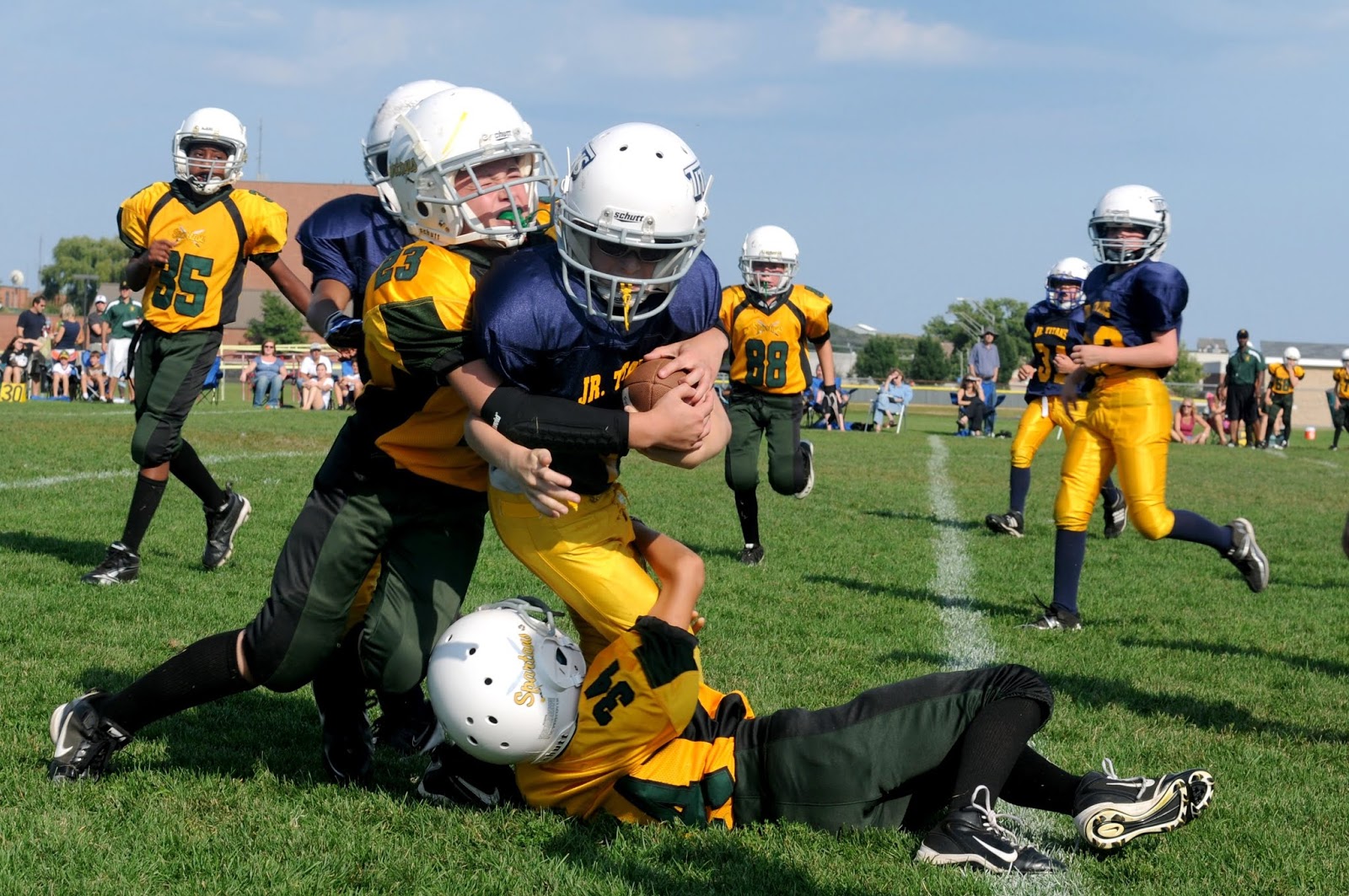
Mouth Guards for Kids’ Sports
Keeping your children’s bodies and brains safe during a sporting
activity is essential, which is why we provide helmets and pads.
Unfortunately, we often forget about the children’s mouths. The American
Dental Association reports that up to forty percent of dental injuries
in children are linked to sports accidents. Many of these injuries can
be averted by wearing a mouth guard.
Thanks to advances in technology, sports mouth guards are becoming
more efficient in protecting against injuries. We are used to saying
that wearing any kind of mouth protector is better than nothing. That is
because any guard will protect your jaw, gum, or teeth to some extent.
The effectiveness will depend on the thickness, quality, fit, and design
of the guard.
Whatever the guard you buy, avoid poorly fitted ones
because over-sized gags aren’t effective. Nobody wants to have a chunky
piece of plastic in their mouth because it will keep triggering your
gag reflexes, especially during sports. Take the time to buy a gag that
fits appropriately in your little one’s mouth. If a dental guard is
shorter than the teeth’s length, it will not be efficient. Therefore,
find one that stretches far back enough so that it covers all the teeth
and jaws.
Mouth Guards for Teeth Grinding In Children
Also
known as bruxism, teeth grinding is a common dental condition both in
adults and children. It’s estimated that thirty-five percent of children
experience bruxism. It is a condition where one grinds or clenches
their teeth aggressively. If you ever notice that your little cub does
it, there is no cause for alarm. Talk to a pediatric dentist about it,
especially if teeth-grinding is prolonged or worsens over time.
Causes of bruxism in children
Experts aren’t sure why bruxism occurs. However, they suspect that
teeth alignment and reaction to pain from ear infections could be
frequent reasons for teeth grinding in kids. Stress and anxiety could
also contribute to the challenge. Many hyperactive and ADHD kids have
bruxism, so it might also be a factor.
- Teeth-grinding effects
- Headache
- Worn teeth
- Tenderness in the jaw
- Earache
- The tightness of jaw muscles
- High tooth sensitivity
- Shortening or losing teeth
To avert these severe symptoms, dentists recommend the use of mouth
protectors as suitable remedies for grinding teeth. Visit a dentist to
get the correct prescription.
Types of Mouth Guards:
1. Stock protectors
They come preformed and ready to wear. Since such guards are
inexpensive, you can buy them from departmental stores and many sporting
goods shops. However, you can’t do much to adjust their fit. Sometimes
they make breathing difficult and offer minimal protection. If your
little one participates in sporting activities or they grind their teeth
at night, buying stock mouth guards isn’t a good idea.
2. Boil and bite protectors
You can buy boil and bite mouth guards in most sporting goods stores,
but they usually offer a better fit than the stock mouth protectors.
They are made using thermoplastic material. You place the mouth guard in
hot water to soften it and then put it in on your teeth using your
tongue and finger to apply pressure. Therefore, they usually fit
according to the wearer’s teeth.
3. Custom-fitted protectors
The custom-fit mouth guards are
designed to fit an individual’s dental formulae. To get these, you will
take your child to a pediatric dentist, and they will make an impression
of their teeth. The dentist will use the impression to model a mouth
guard using a unique material. Since they use specialized equipment and
time to make the protector, custom-fit guards ate costlier than the
other types. In turn, they offer excellent comfort and a perfect fit.
Mouth guards are usually made to fit the upper teeth only, but in
certain instances, they can be made for lower teeth too. An example is
if your child has braces or any form of the dental appliance on the
lower jaw. An efficient mouth guard should be resistant to tears, be
easy to clean, durable, and comfortable.
Caring For Your Mouth Guard
Once you have bought a mouth protector for your little one, it’s best to understand how to care for it properly.
- Rinse the guard with cold water before and after use. You can use a toothbrush or mild soap once in a while.
- Store it in a perforated container to ensure air circulation and prevent damage.
- Carry the protector to every dental visit and have the dentist examine it.
- Keep your mouth guard away from pets.
- Ensure that the guard isn’t exposed to high temperatures.


