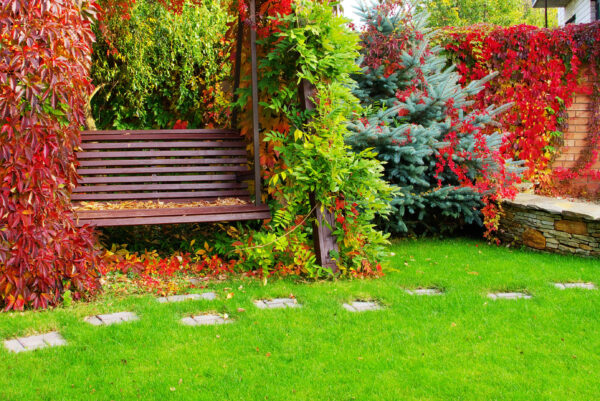
There is something so lovely about a family garden that feels welcoming to everyone. A space where little ones can play, explore and daydream, while grown-ups can still sit with a coffee, admire the flowers and feel that the garden is an extension of home rather than simply a place to store outdoor toys. Creating a beautiful garden with a play area for kids does not have to mean choosing between style and practicality. The two can sit together so beautifully when a space is designed with a little thought and a lot of heart.
For many families, the biggest challenge is finding that balance. We want our children to have room to play freely outdoors, to dig, climb, imagine and make memories, but we also want a garden that feels calm, pretty and enjoyable for the whole family. The good news is that a child-friendly garden can still be full of charm. In fact, some of the loveliest gardens are the ones that make room for muddy boots, playhouses, little watering cans and the gentle rhythm of family life.
The secret is to think less about creating a separate playground and more about shaping a family garden with thoughtful little zones. When everything has its place, the garden feels more peaceful, more useful, and much easier to enjoy.

Start by thinking about how your family really uses the garden
Before moving pots or ordering anything new, it helps to pause and think about the way your family lives outside. Some children love imaginative play and would be happy with a playhouse, a mud kitchen and a basket of outdoor toys. Others need a patch of lawn to run, kick a ball or race around. Some families spend long summer evenings eating outside, while others want a quiet corner to sit while toddlers potter nearby.
When you look at your outdoor space through that lens, it becomes much easier to work out what matters most. Instead of trying to squeeze in every possible feature, you can build a garden that truly suits your own family. A small garden might only need a tiny play corner with a bench nearby, while a larger space might allow for a dedicated zone for play, another for planting, and another for relaxing.
This kind of planning makes all the difference because it stops the garden from feeling crowded or chaotic. It also makes future content ideas easy to link to, whether that is small garden inspiration, playhouse decor, or family-friendly planting.

Create gentle zones instead of one big play space
One of the easiest ways to make a family garden feel beautiful is to divide it into soft zones. That does not mean anything formal or overly designed. Even a few planters, a change in texture underfoot or the placement of a bench can subtly define different parts of the garden.
A play area for kids can be tucked into one side of the garden rather than dominating the whole space. A small playhouse under a tree, a mud kitchen beside a fence, or a few stepping stones leading to a little corner can make the area feel intentional and inviting. Then somewhere nearby, you might place a little seating area for adults, perhaps with potted lavender, cosy cushions and a table for morning coffee.
This approach helps the garden feel calm because each part has a purpose. Children still have plenty of freedom, but the garden as a whole feels considered. It is this sense of balance that makes a space both family-friendly and visually lovely.
Choose play features that blend beautifully into the garden
If you want the garden to feel cohesive, it helps to choose play pieces that sit gently within the overall style of the space. Natural wood tends to work especially well. Wooden playhouses, climbing frames, benches and mud kitchens usually feel softer and more timeless in a garden than brightly coloured plastic alternatives.
A simple playhouse can become a truly charming feature when styled with window boxes, a little wreath on the door, a tiny outdoor rug or some enamel watering cans nearby. It does not need to be expensive or elaborate. Often, the sweetest spaces are the simplest ones, with a few thoughtful details that make them feel cosy and inviting.
The same goes for practical play elements. Sand areas can be edged with timber. Toy storage can be hidden in a painted bench or weatherproof basket. Chalkboards, blackboards and little planting tables can all be incorporated in a way that feels attractive rather than messy.
Keep the planting soft, sensory and family-friendly
Plants are often what make a garden feel truly special, and they can play such a lovely role in a child-friendly outdoor space too. A family garden does not need to be precious. In fact, some of the best choices are the plants that invite children to engage gently with the space.
Lavender, mint, rosemary and thyme bring beautiful scent and texture. Sunflowers are always magical for little ones because they grow tall so quickly and feel full of wonder. Strawberries tucked into pots or beds add a little bit of joy in summer, while ornamental grasses can create movement and softness around the edges of a play area.
Planting can help soften the look of outdoor toys and structures too. A simple border around a play corner instantly makes it feel more part of the garden. Trellis with climbing plants beside a playhouse, a few cottage-style flowers nearby, or pots arranged around a seating area all help the space feel more layered and gentle.
It is worth being mindful about what you plant in areas where children spend lots of time, avoiding anything sharp, fragile or unsuitable for little hands. The overall aim is a garden that feels welcoming, relaxed and easy to enjoy together.

Make space for imagination, not just activity
When we think about garden play areas, it is easy to focus on the obvious things like slides, climbing frames and toys. But some of the most loved outdoor spaces are the ones that leave room for imagination. A playhouse that becomes a little café, a post office or a tiny cottage. A patch of lawn that turns into a pirate island. A reading nook under a tree. A little table for nature treasures.
These quieter, open-ended spaces often feel much more in keeping with a beautiful home garden too. They invite children into the rhythm of the space rather than filling it with noise and clutter. A basket of books in a sheltered corner, a child-sized table for drawing, a little path made from stepping stones, or a simple mud kitchen with old pots and spoons can hold children’s attention far longer than something overly complicated.
There is a softness to this kind of play. It feels nostalgic, slow and grounded in home life.

Add somewhere comfortable for grown-ups too
One of the best ways to make a kids’ play area work in the garden is to think just as carefully about where adults will sit. If you have somewhere comfortable and nearby to relax, you are far more likely to use the space often. It also turns the garden into somewhere shared, rather than somewhere children are sent off to while adults stay indoors.
A simple bench, a bistro set, or even a couple of folding chairs dressed up with cushions can work beautifully. Place seating where you can keep an eye on play while still enjoying the garden. Add pots, lanterns, throws for chillier evenings, and perhaps a little side table. These details make the space feel lived in and loved. Adding a DIY pergola is such a lovely thing to do to add a real statement to your seating area and to give some shade the whole family on very sunny days.
This matters more than many people realise, because the most successful family gardens are not the ones with the most features. They are the ones that invite everyone outside more often.
Use storage to keep the space feeling calm
One of the quickest ways for even the prettiest garden to start feeling overwhelming is outdoor clutter. Balls, buckets, ride-on toys and random bits of play equipment can so easily spill across the space. Good storage does not sound exciting, but it is one of the real secrets to creating a beautiful garden with a play area for kids.
Storage benches are especially useful because they offer somewhere to sit as well as somewhere to tuck things away. Lidded outdoor boxes, baskets kept inside a playhouse, wall hooks for little tools, or even a small painted cupboard can all help keep the play area tidy without making it feel too formal.
When outdoor toys are easy for children to access and put away, the whole garden tends to feel more peaceful. And when the space feels calm, it becomes much more appealing to photograph, pin and enjoy.
Work with what you have, especially in a small garden
A small garden can still be incredibly beautiful and child-friendly. In fact, smaller spaces often feel the most magical because every detail matters. A tiny patch of lawn, a corner playhouse, a narrow raised bed for children to grow strawberries, and a bench surrounded by pots can be enough to create a truly lovely family garden.
The key is not trying to do too much. Choose one or two strong features rather than filling every inch. A playhouse with window boxes and bunting may bring more joy than a large plastic climbing frame. A mud kitchen and water table may work better than multiple bulky toys. A few carefully chosen pots and climbers can make a small space feel lush without taking up precious room.
When a garden is small, vertical space becomes especially important. Trellis, shelves, hanging planters and wall-mounted accessories can all add beauty without crowding the floor.

Let the space evolve with your children
One of the nicest things about designing a family garden is that it does not need to be finished all at once, your garden can be designed to grow with your family. It can grow slowly, just like family life itself. A toddler’s play corner may one day become a reading nook. A mud kitchen may later make way for a little potting bench. A playhouse may become a den, a craft space, or a hideaway for quiet afternoons.
When you think of the garden as something flexible, it takes away some of the pressure to get every detail perfect. Start with the pieces that will make the biggest difference now. Then add little touches over time. A new planter in spring, cushions in summer, lanterns in autumn, bulbs for next year. The beauty often comes from these layers rather than a big one-off makeover.
A family garden can be both beautiful and full of life
A garden that feels lived in is not only a beautiful space to look at, but is also an extension of your home. It doesn't need to be pristine or styled beyond use, but genuinely loved and a place that all the family can use. The watering can left beside the strawberries. The playhouse door slightly open. The little chairs by the table. The scent of herbs warming in the sun while children drift between playing and pottering.
That kind of beauty is worth so much more than perfection when it comes to a family garden.
Creating a beautiful garden with a play area for kids is really about making space for family life in all its fullness. It is about shaping an outdoor space where children can play freely, where adults can take a minute to pause and chill out and where everyday moments feel just a bit more special. With a little planning, some soft planting and a few thoughtful choices, it is so possible to have a garden that feels both practical and full of charm.
And truly, those are often the gardens we remember most.