
Deciding to have a tummy tuck usually doesn’t happen in one dramatic moment. It builds slowly. A photo catches your eye. A favorite outfit fits differently. Workouts help, but not in the way you hoped. Pregnancy, weight changes, and time can quietly reshape the midsection in ways that feel permanent.
In places like Palo Alto, where active, health-focused living is part of daily life, those changes can feel even more noticeable. A tummy tuck, or abdominoplasty, is designed to remove excess skin and tighten the abdominal area to restore a smoother contour.
Before moving forward, most people pause and research. Some patient-focused resources explain risks, preparation steps, and recovery details in a straightforward way, which helps readers feel more informed early on. Breaking the journey into clear stages, before, during, and after, makes the whole process feel less intimidating and far more manageable.
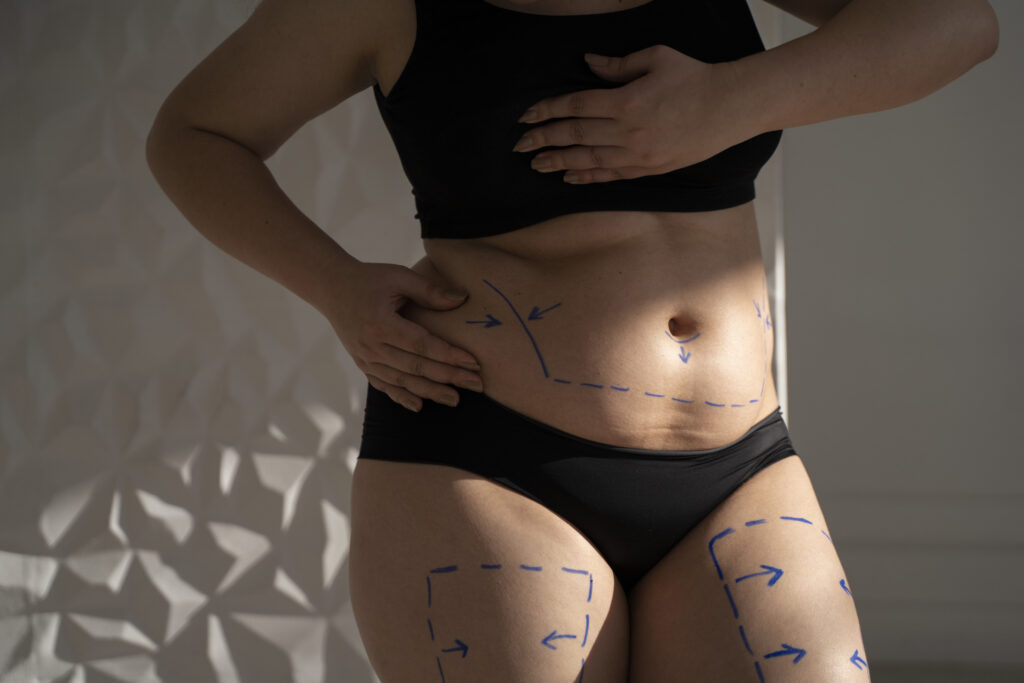
Before the Surgery: Preparing Mentally, Physically, and Clinically
This stage is often all about reflection, research, and preparing both mentally and physically for what lies ahead.
1. The Decision Stage Is Usually Slow and Thoughtful
Most people think about it for months, sometimes years. They notice loose skin. A shape that doesn’t change. A stomach that feels different after pregnancy or weight loss.
Eventually, curiosity turns into research. While exploring options like a Tummy Tuck in Palo Alto, people often start comparing real experiences and practical information. Clinics such as GrawBeauty naturally come into the picture during this phase, especially for those trying to understand the full process and what recovery might look like in everyday life.
From experience, this stage matters more than anything else. It helps people feel informed rather than rushed.
2. Getting Ready for Surgery Takes Planning and a Calm Mind
There’s the practical side. Medical clearances, basic instructions, and planning time off work. But there’s also the mental preparation. And that part can feel bigger than expected.
Some people feel relief at finally doing something for themselves. Others feel nervous about the unknown. Most feel a mix of both.
In practice, simple preparation helps ease the transition like setting up a comfortable space at home, planning meals ahead, or just asking someone to stay nearby during the first few days. Small steps, but they make recovery feel less stressful.
3. Clinical Planning Before the Procedure
Alongside emotional readiness, this stage also involves clinical preparation. During consultations, surgeons evaluate skin elasticity, fat distribution, and the condition of the abdominal muscles. They review medical history, discuss current medications, and may recommend basic tests to ensure the body is ready for surgery. Patients are often advised to maintain a stable weight, avoid smoking for a period before the procedure, and follow specific pre-operative instructions such as fasting before surgery day.
These medical steps are part of careful planning. They help reduce risks, improve healing, and ensure the approach is tailored to each person’s body and needs.
During the Surgery: What to Expect on the Day
This part of the journey is usually more structured and steady than most people expect, with a team guiding each step carefully.
4. The Surgery Day Feels More Calm Than People Imagine
People often expect it to feel intense. But many describe it as surprisingly quiet. You arrive. You talk with the care team. Everything moves steadily.
From what we’ve seen, the anticipation leading up to the day is usually more emotional than the day itself. Once things begin, people tend to focus on the process rather than the nerves. And before you know it, the procedure is behind you.
After the Surgery:/After the Surgery: Recovery and Adjusting
This stage is all about healing, patience, and gradually adjusting as your body recovers and settles into its new shape.
5. Swelling Is Normal and Takes Time to Settle
One of the biggest surprises is how gradual the visible changes can be. Swelling doesn’t disappear in a few days. It fades over weeks, sometimes months.
That doesn’t mean something is wrong. It’s simply part of healing. People often start noticing small changes first. Nothing dramatic at first. It is just steady progress. Knowing this ahead of time can prevent unnecessary worry.
6. Daily Routines Return in Stages
Getting back to normal life happens gradually and follows a fairly clear recovery pattern. The first week is mostly about rest, with swelling, tightness, and limited movement being most noticeable during the first 7 to 10 days. Light walking is usually encouraged early to support circulation and reduce stiffness.
By weeks 2 to 3, many people feel comfortable handling simple daily tasks and may return to desk work if recovery is steady. More strenuous activity and exercise are usually delayed. Around 6 to 8 weeks, movement feels easier, and routines feel more normal, though final healing and settling can continue over the next few months.
Many people find reassurance by reading recovery guidance shared through various organizations, where real-life timelines help set realistic expectations.
7. Long-Term Results Feel Natural, Not Instant
There’s no sudden moment where everything feels perfect. Instead, the change unfolds over time. Clothes start to fit differently, movement feels lighter, and the midsection begins to match how people feel inside.
That’s the part many didn’t expect. The change feels subtle at first but meaningful over time.
It’s less about dramatic transformation and more about comfort.
Conclusion
A tummy tuck journey is not just about the day of the procedure. It usually begins much earlier, with time spent thinking, researching, and understanding what the body has been going through. Then comes preparation, the surgery itself, and a recovery period that moves step by step. Each stage brings its own small challenges, but also steady progress. Some days feel easier than others, and that’s a normal part of healing.
Learning what to expect before, during, and after the process helps reduce fear and confusion. When people understand how the body heals, how long recovery may take, and what changes happen over time, they feel more prepared and relaxed. This clarity often makes the whole experience feel more manageable and helps people make decisions with more confidence and comfort.


