
Walk through any busy street in NYC, and you’ll see people of all ages focused on looking and feeling their best. In a fast-paced city where professional and social lives often overlap, many people pay closer attention to subtle changes in their appearance as they age.
But one of the most common questions that comes up during this stage is simple: What is the best age for a facelift? The truth is, there isn’t a single “perfect” number. The right time depends on several factors, including skin quality, facial structure, lifestyle, and personal goals. Some people consider a facelift in their late forties, while others wait until their sixties or beyond.
So, if you’re considering a facelift, it’s worth checking whether this is the right stage for it.
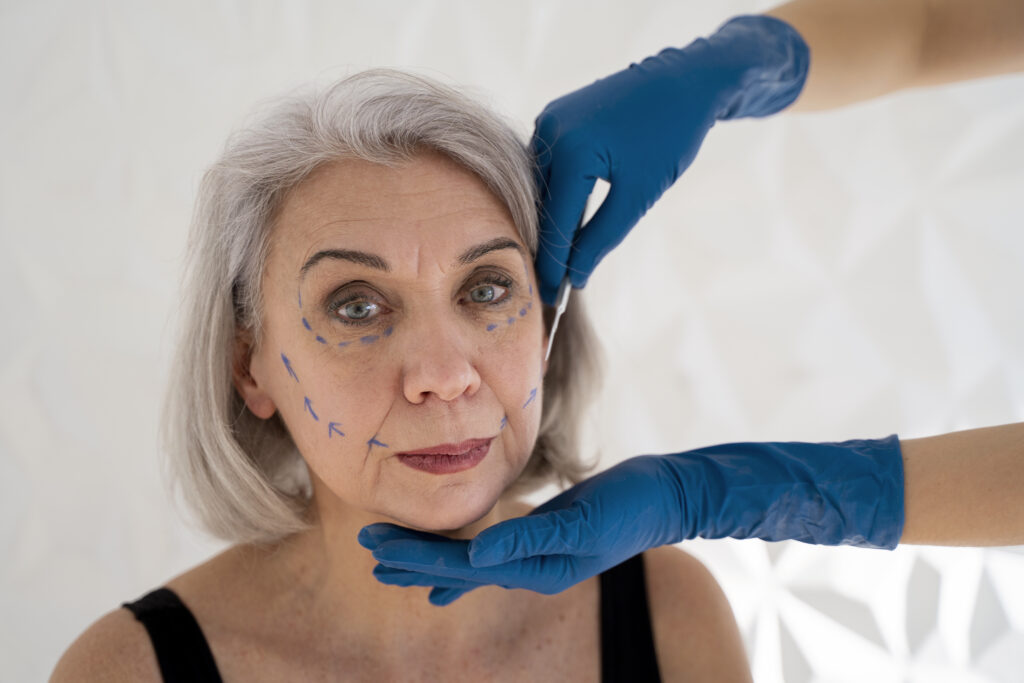
1. Skin Elasticity and Overall Skin Quality
One of the most important factors in determining the right age for a facelift is skin elasticity. Younger skin tends to have more collagen and natural firmness, which allows it to tighten more effectively after surgery.
As the skin loses elasticity over time, it becomes harder to achieve smooth, natural-looking results without more extensive procedures. Patients with moderate skin laxity often achieve the most balanced outcomes because their skin retains sufficient flexibility to respond well to surgical tightening.
This is why surgeons often recommend considering a facelift when early to moderate signs of aging appear, rather than waiting until the skin has lost most of its natural support.
2. Degree of Sagging and Facial Changes
Aging doesn’t happen overnight. It usually starts with subtle changes, such as slight jowling or mild skin laxity around the jawline. Over time, deeper folds may form around the nose and mouth, and the cheeks may begin to lose volume.
In the early stages, non-surgical treatments might be enough to refresh the appearance. However, when sagging becomes more pronounced and affects facial definition, a facelift may provide more effective, longer-lasting results.
This is often the stage when patients start exploring options such as a facelift in NYC, especially if they want to address both skin laxity and volume loss. In fact, surgeons like Dr. Sean Alemi may recommend a facelift to target these primary signs of aging. The procedure focuses on tightening sagging skin while restoring lost volume, prioritizing natural-looking results. Rather than dramatically changing facial features, the goal is to create a refreshed appearance that still looks like you—just more rested and youthful.
3. Typical Age Ranges Among Patients
While there is no fixed age for a facelift, most patients fall within a defined age range. Many people begin considering the procedure in their late forties to early fifties, when signs of aging become more noticeable, but the skin still responds well to treatment.
Patients in their forties often seek subtle improvements, while those in their fifties and sixties may want more comprehensive rejuvenation. Some individuals even choose a facelift later in life, especially if they are in good health and want to address advanced aging.
The key takeaway is that timing should be based on facial changes rather than age alone.
4. Lifestyle and Sun Exposure
Lifestyle habits play a significant role in how quickly the face shows signs of aging. Sun exposure, smoking, stress, and poor skincare can accelerate collagen loss, leading to earlier sagging and wrinkles.
On the other hand, people who protect their skin, stay hydrated, and follow healthy routines may notice signs of aging later in life. This is why two individuals of the same age can have very different facial appearances.
When evaluating the right time for a facelift, surgeons often look at the overall condition of the skin rather than just the patient’s age.
5. Desired Results
Every patient has different goals. Some people want a subtle refresh that makes them look more rested, while others are looking for more noticeable changes in facial definition.
Those seeking natural, understated improvements often consider a facelift earlier, when changes are still moderate. Addressing aging at this stage can create smoother, more gradual results that don’t appear drastic.
6. Overall Health
Good health is essential for any surgical procedure, including a facelift. Surgeons evaluate factors such as medical history, current medications, and overall physical condition before recommending surgery.
Patients who are in good health, regardless of age, are typically better candidates for a facelift. This is why some people in their sixties or seventies can still achieve excellent results, while others may be advised to wait or consider alternative treatments.
Age alone doesn’t determine suitability. Overall health and realistic expectations are far more important.
Conclusion
There is no single “perfect” age for a facelift. The right timing depends on multiple factors. For many people, the ideal window falls somewhere between the late forties and mid-sixties, but individual needs can vary widely. By focusing on these six key factors, patients can make more informed decisions about when a facelift will provide the most natural and satisfying results.


