
If you have been thinking about booking a microneedling session lately, chances are the two main options have already crossed your path. Traditional microneedling has long been a favorite, yet the PRP version has created a wave of buzz. Some people swear the classic version gives the most natural results, while others in Los Angeles feel the newer, enhanced approach is the clear winner. With so many opinions floating around, the choice can feel surprisingly confusing. How do you know which one fits your skin best?
Well, there is no need to stress over it. This article breaks down both treatments in a simple, steady way and compares their recovery and overall results so you can make a confident, informed decision.
Keep reading!
How Traditional Microneedling Works
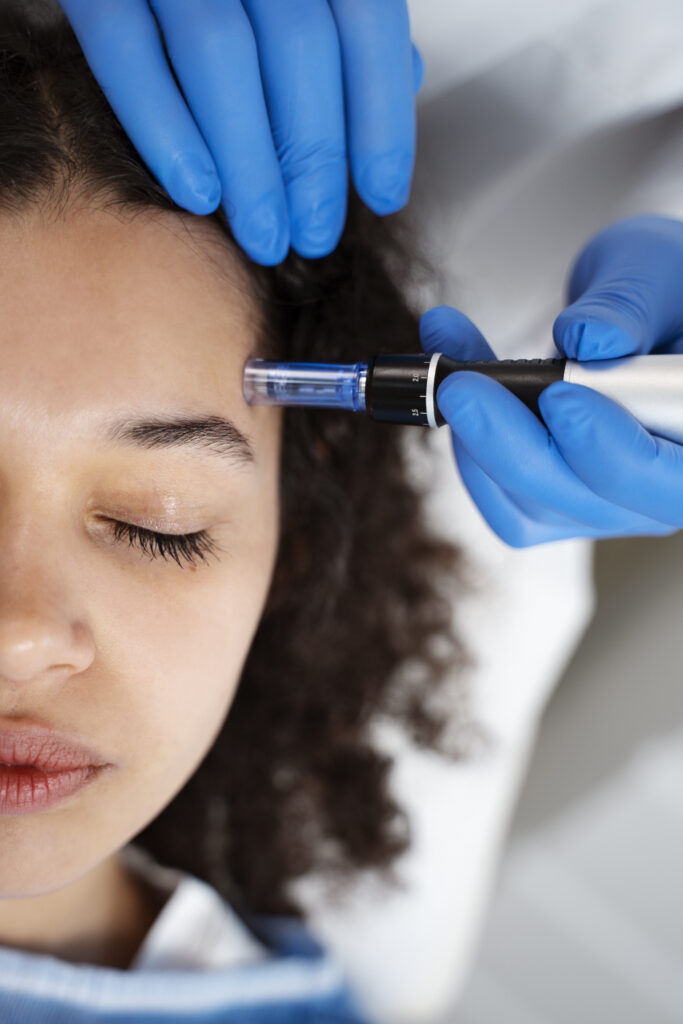
Traditional microneedling has a simple rhythm to it. A small device creates tiny channels across the skin, encouraging a fresh wave of collagen and elastin. These microchannels are controlled and gentle, yet they activate a natural repair cycle that can make the skin feel smoother and more balanced over time. Many people describe the change as subtle at first, then gradually more noticeable with each session.
The treatment supports everything from early signs of aging to light acne scarring. It does not rely on chemicals or additives. Instead, it uses the skin’s own biology to refresh itself at a comfortable pace. The results often feel steady and grounded, which is why so many people choose this method when they want improvement without dramatic shifts.
Here are a few simple benefits that paint a clearer picture:
• Helps soften early fine lines
• Supports a more even, refreshed skin tone
• Improves overall skin texture for a smoother feel
Traditional microneedling creates a foundation of renewal, and that foundation is exactly what makes PRP the next level for those who want more intensity.
What Makes PRP Microneedling Different
To put it simply, PRP or platelet-rich plasma microneedling in Los Angeles is an advanced layer built on top of the classic version. It follows the same foundation as the traditional version but adds a healing concentrate drawn from your own blood. After a quick blood draw, the sample is spun until the platelets separate into a golden serum. This serum is rich in growth factors, and when it is applied during treatment, it travels into the fresh microchannels, reaching deeper layers that benefit from extra renewal.
This added boost gives the skin a stronger push toward repair. The growth factors in PRP help in several ways, including:
• Encouraging a more active collagen response
• Improving texture in areas that need deeper attention
• Supporting faster calmness after the session
Professionals at NassifMD MedSpa, a trusted name in advanced skin rejuvenation, often share that recovery usually lasts about one to three days. However, it can vary slightly depending on how intense the session is. A good provider always offers clear aftercare guidance so the skin remains comfortable as it heals.
Comparing Results and Recovery
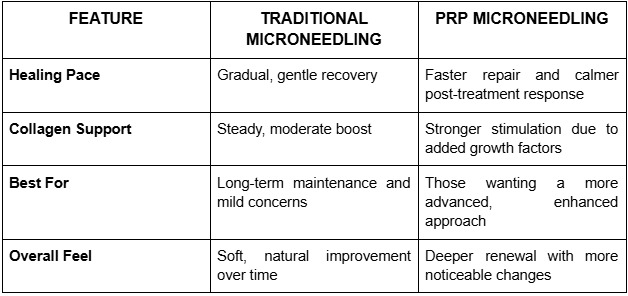
Both forms work with the skin’s natural rhythms, yet the outcomes progress at slightly different speeds. The traditional option often leaves the skin with a light, warm sensation that settles within a day. As the healing cycle begins, the skin may feel smoother and more balanced, especially after a few sessions. The changes arrive slowly and consistently, which creates a soft, natural shift.
The PRP option tends to move a bit quicker. The concentrated platelets encourage the skin to repair itself more efficiently, which can shorten redness and enhance the overall regenerative effect. People looking for more noticeable changes in texture or scarring often lean toward this version because it supports deeper renewal.
Here’s a quick side-by-side comparison chart to help clarify the differences:
Choosing What’s Right for Your Skin
Choosing between the two often comes down to what you hope to achieve. Someone seeking a gentle refresh can find great success with the traditional version. The slow and steady approach helps the skin feel more refined without pressing into anything too intense. On the other hand, someone with more noticeable texture concerns may appreciate the added support PRP provides through its growth factor concentration.
Clear communication with a trained provider is always helpful. Every person’s skin has its own history, its own sensitivities, and its own rhythm. A professional can look closely at these details and offer guidance based on what will genuinely support a healthy, glowing outcome.
Wrapping Up
Both versions of microneedling play a valuable role in skin rejuvenation. The traditional version brings gentle, reliable improvement, while the platelet-rich plasma version offers a more advanced form of renewal using the body’s natural healing abilities. Understanding the differences helps create clarity so you can choose the option that matches your comfort level, lifestyle, and vision for your skin.