
What if the smallest gestures of care could ripple outward, transforming entire family dynamics?
In homes where multiple generations intersect, where homework help happens alongside medication reminders, peace emerges not from grand gestures but from quiet acts of trust. It's in the unspoken understanding that everyone deserves safety, dignity, protection and independence.
The most effective solutions are the ones that work invisibly, like a gentle hand on the shoulder present when needed, unobtrusive when not. In this space, families discover that safety doesn't require sacrifice of independence, and peace grows naturally from the soil of mutual respect.

Embracing Emotional Safety for True Harmony
When we think about creating harmony in our relationships, emotional safety forms the foundation upon which everything else builds. It begins with recognizing that each person, whether a child learning to navigate the world or an elder maintaining their independence, deserves to feel secure without feeling constrained.
Emotional safety emerges through small but consistent actions like keeping promises, respecting stated boundaries, and acknowledging fears without dismissing them. In multi-generational households, this might mean honouring a teenager's need for privacy while also addressing an elderly parent's desire to maintain their daily walking routine. Modern families often find that tools like GPS tracking watch for seniors can support this delicate balance, allowing freedom of movement while easing worry.
True harmony doesn't require the absence of concern; it requires the presence of trust. When family members know their well-being matters without feeling monitored or controlled, they naturally open up more. They share earlier struggles, accept help more readily, and contribute their strengths more freely.
Protecting Youth Through Uncertain Times
The stark reality of conflict's impact on young people reveals a troubling pattern. Nearly 408 million youth face direct exposure to armed conflicts, bearing the weight of violence and instability in their formative years. These children grow up with deep emotional scars that shape their worldview and influence their future decisions.
Creating safe spaces for young people during times of conflict requires several key approaches:
• Establishing dedicated trauma support networks within communities
• Implementing play-based healing programs
• Training caregivers in trauma-informed practices
• Developing peer support systems for affected youth
• Creating safe zones where children can learn and grow
Early intervention proves crucial in helping young people process their experiences. By focusing on emotional healing and providing consistent support, we can help these children develop resilience. Communities that prioritize youth recovery often see reduced cycles of violence, as healed individuals make more balanced choices.
The GPS Tracking Watch offers an added layer of security for vulnerable young people, helping families maintain peace of mind. Through focused support and protection measures, we're building a generation that understands the true value of peace and stability.
Education as a Pathway to Stability
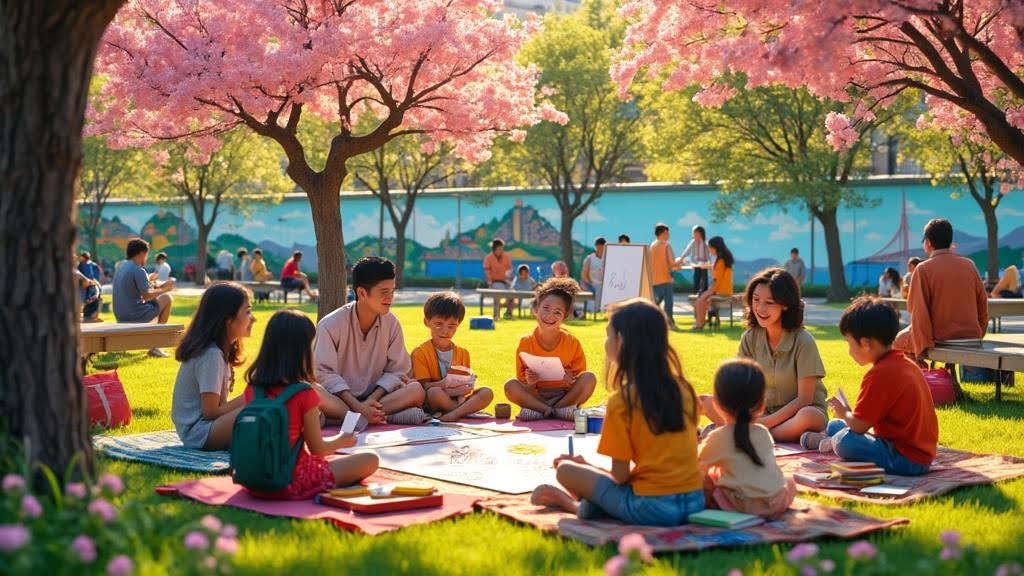
Schools play a vital role in shaping peaceful societies by creating an environment where students learn cooperation and conflict resolution. These fundamental skills, developed during formative years, help build the foundation for lasting peace.
GPE transforming education states:
“Countries with higher primary school completion rates are in general more peaceful. Conversely, countries that enjoy high levels of peacefulness have secondary school completion rates of 99 percent. On the other hand, countries that suffer from low levels of peacefulness have on average secondary school completion rates of only 52 percent.”
Education is an uncommon but powerful catalyst for social stability tool that helps promote peace by:
• Creating safe spaces for diverse groups to interact and understand each other
• Helping people develop communication skills that prevent misunderstandings
• Builds emotional intelligence through daily peer interactions
The impact of education extends far beyond classroom walls. Students can become community leaders who champion peaceful solutions or participate in civic activities, support inclusive policies, and mentor others in constructive dialogue. This effect transforms individual learning into collective progress toward lasting peace.
The Ripple Effect of Trusted Boundaries
Healthy boundaries create expanding circles of peace within families. When a parent respects a teenager's closed door, that teenager learns to honor an elderly grandparent's scheduled walk time. These mutual agreements build trust incrementally, teaching each generation that their needs matter equally.
In practice, this might mean establishing family check-in times that work for everyone, or using tools like a GPS Tracking Watch that provides freedom with a safety net. The key lies in collaborative boundary-setting where each person contributes to the solution.
Children who grow up witnessing respectful negotiation carry these skills into their adult relationships, creating healthier boundaries, partnerships, and communities. What starts as simple household rules evolves into a lifetime practice of honouring others while maintaining personal integrity.
Building Everyday Habits that Foster Peace
Daily actions shape the path to lasting peace in our communities. The foundation starts with creating an environment where emotional safety thrives through genuine communication and understanding.
Small gestures, like active listening and showing empathy, can transform tense situations into opportunities for connection. Building peaceful environments requires consistent effort and mindful practices. Setting clear boundaries, practicing respectful disagreement, and acknowledging others' perspectives create spaces where everyone feels valued and heard.
Regular practice of these habits strengthens our capacity to maintain composure during challenging situations, fostering an atmosphere where peace naturally flourishes.
Build Lasting Peace
Creating emotional safety and preventing conflict requires more than just superficial changes; it demands a fundamental shift in how we approach our daily interactions and community relationships.
Through mindful practices like active listening, setting clear boundaries, and embracing tools that enhance security, we can build environments where genuine peace and trust naturally flourish.
When communities prioritize emotional well-being and invest in education while nurturing youth development, they create a powerful foundation for breaking cycles of violence and fostering lasting harmony that ripples through generations.