
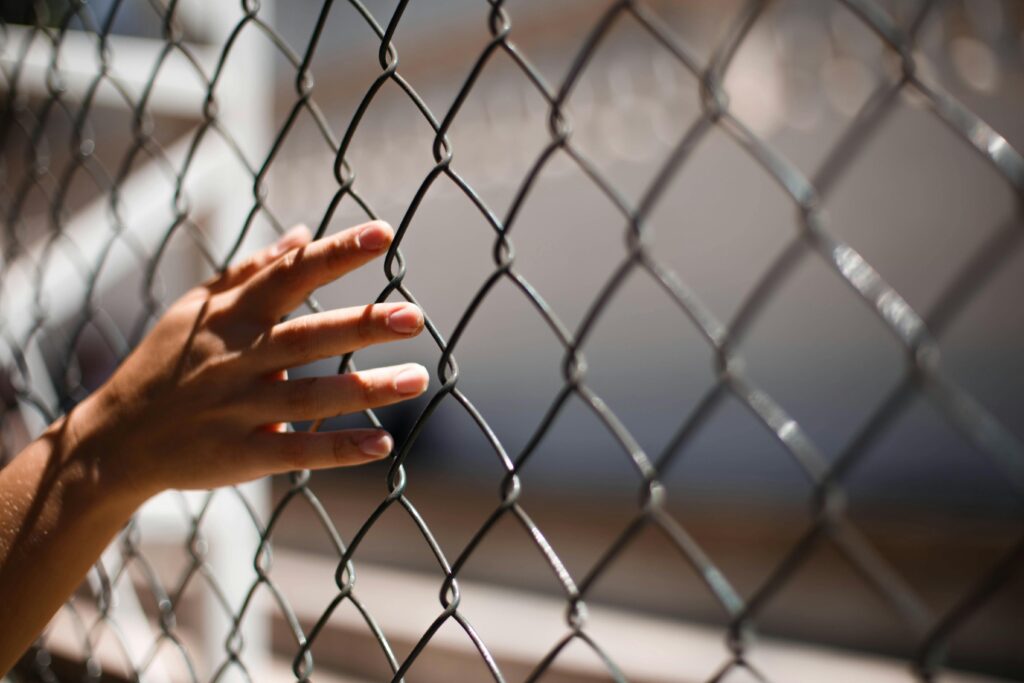
Some children live behind locked doors. Not because they’re being protected, but because the world has already decided they’re trouble.
We rarely talk about those children—the ones in juvenile detention centers, group homes, and other places society tucks away its most vulnerable youth. Their stories don’t make the rounds at school gates or feature in cheerful family blogs. They exist in a shadowed space where accountability thins and care becomes conditional.
But harm doesn’t discriminate. It happens in places built to correct, supervise, and protect. When abuse occurs there, it doesn’t just shatter one life; it exposes a system that let it happen.
Children in custody are still children. Their safety should never be negotiable. If we care about young people, then the silence around institutional abuse has to end.
Who Are These Children—and Why Are They Forgotten?
The phrase “juvenile detention” brings a certain image to mind: a troubled teen, a string of bad decisions, maybe even the assumption that they deserve to be there. What’s less visible are the layers beneath that label—poverty, trauma, neglect, broken systems and a chronic lack of support.
Many children in custody come from communities already failed by social services, schools and mental health care. Some have endured abuse at home. Others have been funnelled into detention for minor offenses that might have been overlooked if they looked different or lived elsewhere. Once inside, they’re isolated from family, from oversight, and often from people who see them as worthy of care.
They are disproportionately coloured, LGBTQ+, neurodivergent and poor. And they are still kids—young, developing, and deeply affected by the way adults treat them. Yet once they enter an institution, they’re often stripped of that humanity in the public eye. The concern we readily extend to children in classrooms or playgrounds rarely reaches those behind bars.
When abuse happens in those places, it’s easier for people to look away. Easier to assume the victims are somehow less deserving of protection. That silence keeps the harm going.
Real-World Failures: When the System Harms Instead of Protects
Abuse inside juvenile detention centers isn’t hypothetical. It’s documented, widespread, and disturbingly common. Reports from across the country have exposed instances of physical mistreatment, sexual assault, and emotional degradation at the hands of staff.
Some cases have made national headlines. In Georgia, a federal investigation uncovered systemic abuse in several youth facilities. In Louisiana, children were transferred to an adult prison under harsh and chaotic conditions. In Colorado, the Adams County juvenile detention center sexual abuse lawsuits detail a series of serious allegations involving staff misconduct and institutional neglect, with multiple survivors now seeking justice.
These aren’t isolated failures. They point to a pattern—an environment where oversight is minimal, consequences are rare, and vulnerable children are left to suffer. For many, the road to accountability is long and traumatic, if it ever comes at all.
Why This Matters to All of Us
It’s easy to disconnect from stories like these—especially when they involve children we’ll never meet, in places most of us will never see. But the abuse of incarcerated youth isn’t some remote tragedy. It’s a reflection of how society chooses which children deserve care and which are disposable.
When harm happens inside institutions designed to protect, it signals something deeper. These are public systems, funded by public money, and accountable to the people who allow them to operate. If they’re failing children, that failure is ours too.
Better alternatives already exist. Some organisations work to expose abuse and demand reform. Others are building different models entirely—ones that focus on healing rather than punishment. Programs rooted in restorative justice in youth care offer a more human response, giving children a chance to make amends without being stripped of dignity. These models remind us that protection and accountability can work together.
Caring for these children means paying attention to the systems that shape their lives—and speaking up when those systems cause harm.
Final Thoughts: Every Child Deserves Safety—No Exceptions
There’s no version of justice where children are harmed behind locked doors and no one speaks up. No child—regardless of their past or where they come from—should be written off.
The idea that some children are less worthy of care needs to be challenged repeatedly. Abuse in detention centres doesn’t just scar the individuals inside. It chips away at the values we claim to uphold. If we believe in protecting children’s well-being, that belief has to apply to every child, in every setting.
Caring begins with awareness. It deepens through empathy. And it becomes action when we ask harder questions and refuse to let silence settle in.
Understanding how children develop—emotionally, cognitively, and socially—makes it even clearer why early experiences of safety and trust matter so deeply, especially for those whose environments have failed them. The key development stages in children remind us how much is still unfolding beneath the surface, and how urgently that growth needs to be protected.