
Road accidents can happen when you least expect them. One moment, you’re driving to the grocery store or taking your kids to school, and the next, you’re dealing with a crash. These situations are scary, but knowing what to do when they happen can make a big difference. This article will walk you through the steps to handle an unexpected road accident in a place like Miami. We’ll delve into some of the safety and legal steps you and your family should take in the aftermath.
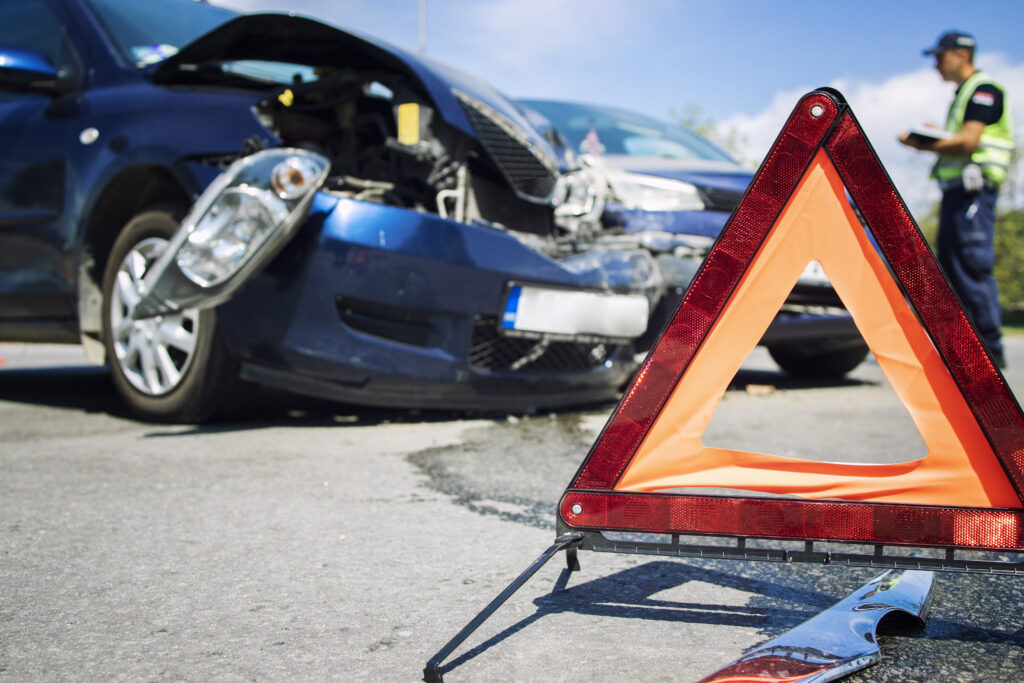
Stay Calm and Safe
Accidents are scary, and it is normal to feel shocked when the unexpected happens. However, try to stay calm in that storm as panicking won’t help. Take a deep breath and try to focus. Your safety and your family’s safety come first. If your car can still move and it’s safe, pull over to the side of the road. This keeps you out of traffic and reduces the chance of another accident. Turn on your hazard lights to increase visibility and to warn other drivers.
If your car can’t move or someone is hurt, stay where you are but make sure you’re in a safe spot. If you’re on a busy road, get out of the car and move to the sidewalk or a safe area nearby, if you can. More importantly, keep your kids with you and make sure they’re safe.
Check for Injuries
Next step is to check if anyone is hurt. Look at yourself, your passengers, and the people in the other car, if it’s safe to approach. If someone is injured, don’t try to move them unless they’re in immediate danger, like if the car is on fire. Moving an injured person if you are not trained to handle such a situation can make things worse. The next step is to call the emergency services to report the accident, and provide information about anyone who could be hurt. It is advisable to stay on the line until the operator confirms it is okay to hang up.
If no one is hurt, you still need to stay alert as there are times injuries like whiplash or concussions don’t show up right away. Ask everyone if they feel okay and keep an eye on them for the next few hours or days.
Call the Police
Even if the accident seems minor, you should call the police. They will make a report that explains what happened, which is important for insurance and legal reasons. When the police arrive, tell them exactly what happened, but do not guess or make things up.
Instead, stick to the facts. The police might give you a report number or a copy of the report. You should keep it safe, as you’ll need it later when dealing with insurance or repairs.
Exchange Information
While waiting for the police, exchange information with the other driver. Stay polite, even if you’re upset and do not argue or blame anyone for the accident as that may not help in the long run. The details that you should exchange include:
• Their full name and phone number
• Their driver's license number
• Their cars make, mode and license plate number
• Their insurance company name and policy number
You should also share your information with them. If there are witnesses, like people who saw the accident, ask for their names and phone numbers. They might help later if there’s a dispute about what happened.
Take Pictures and Notes
If it’s safe, use your phone to take pictures of the accident scene, capturing the damage to all cars involved, the road conditions, traffic signs, and anything else that seems important. For example, if a stop sign was blocked by a tree, take a picture of that. These photos can help prove what happened when you file an insurance claim.
You should also write down what you remember about the accident. Note the time, date, weather, and how the crash happened. Try to be as specific as possible, including details like: “It was raining, and the other car didn’t stop at the red light.” These details will help you explain the situation to your insurance company or a lawyer later.
Understand & Protect Your Legal Rights
Most accidents are settled through insurance, but getting the compensation you deserve can sometimes be easier said than done. The truth is insurance companies are businesses, and their goal is to minimize payouts. They might resort to tactics like
• Offering low settlements early on
• Delaying the process to pressure you into settling
• Questioning the severity of your injuries
• Asking for extensive documentation and then rejecting it on technicalities
Insurance companies can also contest who was responsible for the accident. Even if you believe the other driver was clearly at fault, their insurer might argue otherwise to avoid or reduce their payout. Well, this is why you should consult a car accident lawyer in Miami in the aftermath of a road accident involving your family. In fact, don’t sign anything or admit fault for the accident before speaking to a good lawyer near you.
The lawyer will explain your rights and help you get fair compensation for damages, injuries and long-term effects of the accident.
Notify Your Insurance Company
As soon as you can, call your insurance company to report the accident. Most companies have a 24/7 hotline, so you can make your report even if it is late. Tell them what happened and give them the police report number, the other driver’s information, and any photos or notes you took.
Be honest and clear, and do not leave out any details, even if you think they might make you look bad. Your insurance company needs the full story to help you.
You should also consult your car insurance agent on what to do next. They might tell you to get your car repaired or see a doctor if you’re hurt. Follow their advice to make sure your claim goes smoothly, and keep track of any emails, letters, or calls with your insurance company, as you might need them later.
Prepare Your Family for the Future
After an accident, talk to your family about what happened and how to stay safe in the future. Make sure everyone knows to wear seatbelts, avoid distractions like phones, and follow traffic rules. Keep an emergency kit in your car with items like a first-aid kit, flashlight, blanket, and water. Teach your kids how to call 911 and what to say in an emergency.
You might also want to review your car insurance policy. Check if you have enough coverage for accidents, injuries, or uninsured drivers. If you’re not sure, ask your insurance agent to explain your options.
No one wants to think about road accidents, but being prepared can make a tough situation easier. You should know what to do in such a case. You should thus teach your family to be ready to handle an unexpected accident with confidence. Keep this guide handy, and share it with your loved ones. A little knowledge can go a long way in keeping you safe on the road!