
As a parent, you want your child to thrive in school, both academically and socially. However, crooked teeth are one often-overlooked issue that can significantly affect their confidence and self-image. The connection between a child’s smile and self-esteem is especially important during school years, where social interactions and classroom participation can amplify insecurities. If you want to support your child’s dental health and confidence, read on and discover how Smile Team’s kids orthodontic treatments can help build a healthier, more confident smile from an early age.

The Emotional Toll of Crooked Teeth in Children
Crooked teeth can significantly impact a child's emotional and psychological well-being, especially during their formative school years.
Teasing and Bullying
Dental features are one of the most common physical traits singled out for ridicule, with children who are teased about their teeth being twice as likely to experience harassment compared to those who are not.
Social Anxiety
Children with crooked teeth often experience heightened social anxiety due to self-consciousness about their appearance. They may avoid smiling, speaking up in class, or participating in group activities for fear of exposing their teeth. This anxiety can create a cycle of avoidance behaviour—children may withdraw from social interactions entirely, isolating themselves from friends and classmates.
Low Self-Confidence
A smile is often seen as an indicator of warmth and friendliness, but children embarrassed by their dental appearance may hesitate to smile or interact freely. This low confidence can spill over into other areas of life, such as academic performance and extracurricular activities.
Impact on Photos and Memories
School photos are cherished keepsakes that capture important milestones in a child's life. However, children with crooked teeth may avoid smiling in pictures or feel dissatisfied with their appearance in class photos. This reluctance affects their ability to enjoy these moments and shapes how they perceive themselves over time.
Long-Term Implications of Untreated Crooked Teeth
Crooked teeth are often seen as a minor aesthetic concern during childhood, but their impact extends beyond physical appearance. Left untreated, misaligned teeth can lead to profound and lasting psychological effects that shape a child’s self-esteem and social interactions into adulthood.
Career Challenges Linked to Low Confidence
Children who feel embarrassed about their smiles may develop a negative self-image that persists into adulthood. Individuals with unresolved self-esteem issues from childhood are more likely to struggle with self-confidence later in life. This lack of confidence can manifest as difficulty asserting oneself, fear of judgment, and hesitation in pursuing opportunities. Whether it’s avoiding interviews or hesitating to take on leadership roles, the long-term effects of untreated crooked teeth can create barriers to success.
Impact on Social Interactions and Relationships
Adults who grew up feeling insecure about their smiles may find it challenging to form meaningful relationships or engage confidently in social settings. This insecurity can extend to romantic relationships, where fear of rejection or inadequacy may hinder emotional intimacy.
When Should You Be Concerned? Signs Your Child May Be Struggling
As a parent, it’s essential to recognise overt and subtle indicators that your child may struggle with confidence or self-esteem due to dental misalignment. Here are some practical signs to watch for:
Hesitation to Smile or Speak: Children embarrassed by crooked teeth often avoid smiling in social situations or speaking up in class to avoid drawing attention to their appearance.
Complaints About Being Teased: If your child mentions being teased or ridiculed by classmates, it’s a clear sign that their dental appearance affects their emotional well-being.
Avoiding School Photos or Events: Children who feel insecure about their smiles may avoid participating in school photos or other events where they might be photographed. If your child seems reluctant to be included in group photos or hesitates during picture day, it could indicate deeper insecurities about dental alignment.
Internalised Discomfort: While some children express their discomfort openly, others may internalise their feelings, making it harder for parents to detect the issue. Internalised discomfort can manifest as withdrawal from social interactions, mood changes, or reluctance to discuss their feelings.
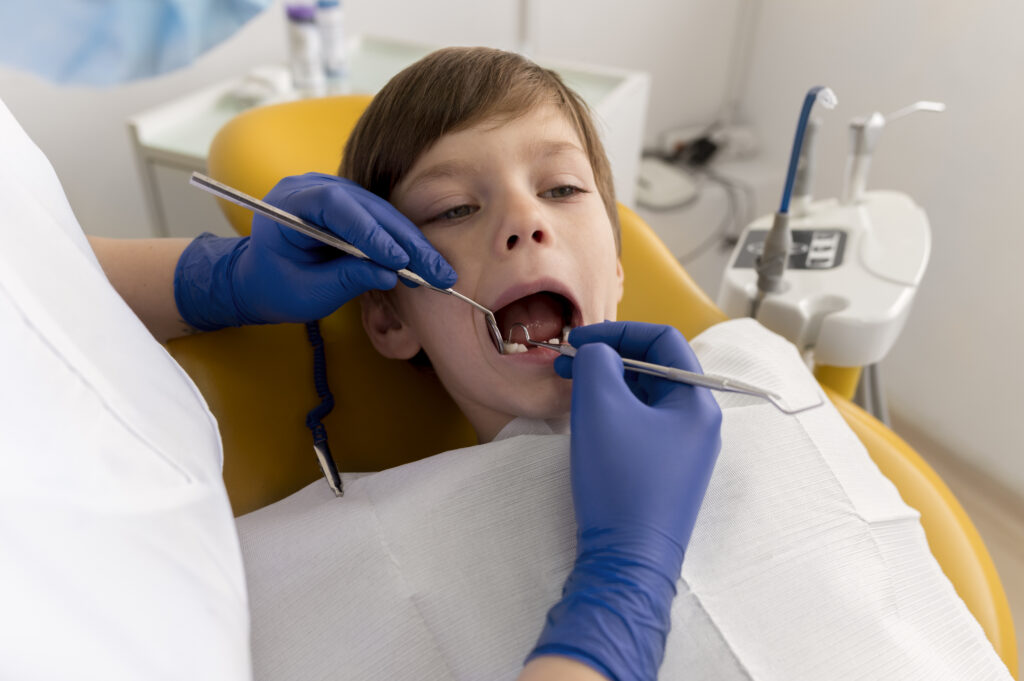
Early Intervention – How a Kids Orthodontist Can Help
Early orthodontic intervention helps manage children's misalignment issues, prioritising their dental health and emotional well-being.
A kids’ orthodontist will assess and diagnose potential alignment problems during critical stages. With this, a personalised treatment plan will be developed to address issues effectively. Some treatment options for crooked teeth include:
Braces: Traditional braces are effective for correcting misalignments and guiding teeth into their proper positions.
Clear Aligners: These discreet appliances are ideal for older children who can responsibly manage removable devices.
Retainers and Other Appliances: Retainers or palate expanders can address specific issues like narrow jaws or minor alignment concerns.
Early intervention through children’s orthodontic care will help guide jaw growth to prevent severe misalignment. It will also address potential habits, such as thumb-sucking, that may lead to malocclusions. Parents can empower their children to navigate social situations easily and develop a positive self-image by addressing crooked teeth early.
Dentist Palm Harbour adds that early orthodontic care can also reduce the need for more complex and costly treatments later in life. Regular visits to a kids’ orthodontist ensure that any changes in dental development are closely monitored, giving children the best chance for a confident, healthy smile as they grow.
The Bottom Line
Crooked teeth in children can significantly affect their confidence and school experiences. Issues like teasing, social anxiety, and low self-esteem often arise, impacting their willingness to participate in classroom activities or extracurricular events. This connection between school confidence and teeth highlights the importance of addressing dental alignment early.
Untreated crooked teeth can lead to long-term psychological effects, such as persistent self-esteem issues that carry into adulthood. These unresolved insecurities may hinder social interactions, romantic relationships, and career opportunities. Early orthodontic intervention improves physical alignment and fosters emotional resilience, empowering children to navigate their school years with greater confidence.