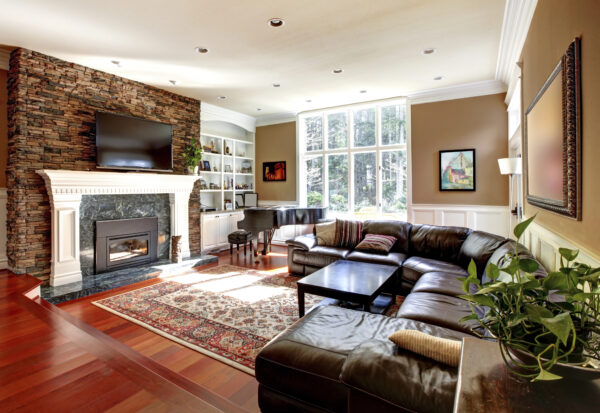
In many Fort Wayne homes, it’s common to find a modern kitchen next to a dated bathroom or a newly painted living room next to a hallway that still feels stuck in another decade. While updates are great, keeping the whole home feeling unified can be a challenge.
A cohesive look doesn’t mean every room has to be identical. It’s more about flow. You want the home to feel connected as you walk from one space to the next. That sense of balance comes from the right combination of colors, materials, and small design choices that repeat throughout the home.
Creating that consistency is easier than it might seem. It starts with simple decisions that add up, like choosing similar finishes or sticking to a shared colour palette. Whether you’re updating one room or slowly changing things over time, a few smart design steps can make the entire house feel more polished and connected.
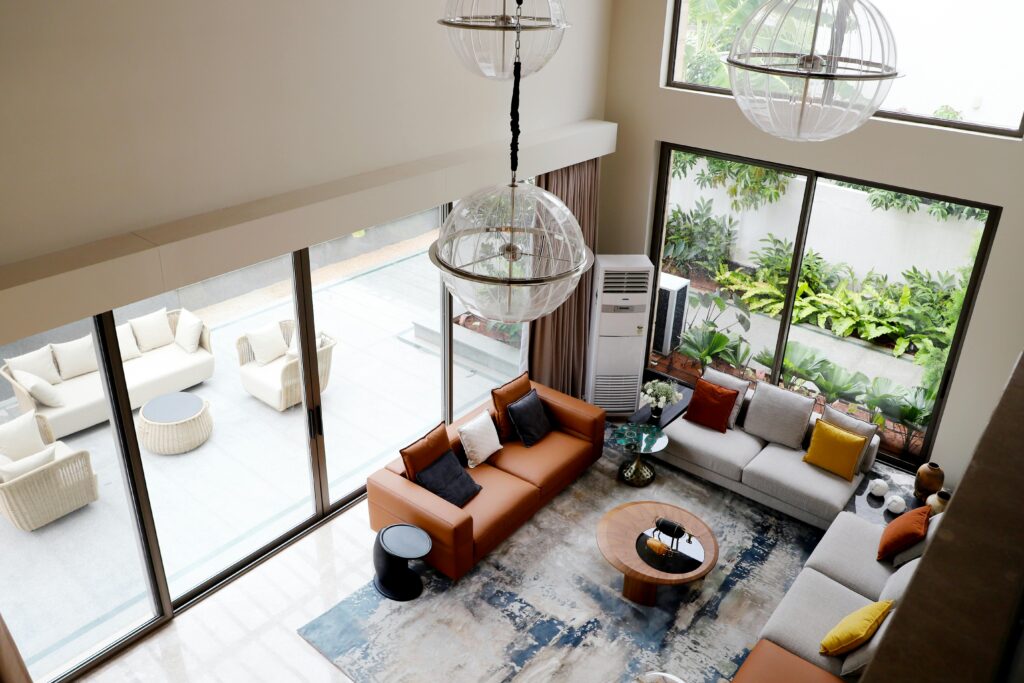
Start with Your Hard Surfaces and Fixed Features
Before looking at furniture or paint colors, take a look at your flooring, counters, and cabinets. These permanent features create the foundation of your home’s look. If one room has dark tile floors and the next has pale carpet, that transition can feel jarring. Matching or coordinating these surfaces helps the rooms feel like part of the same home.
This is especially true in older Fort Wayne homes, where some spaces may have been updated while others were left untouched. Bathrooms are often the most noticeably different. They may still have old tile, worn vanities, or fixtures that clash with updates elsewhere.
Many homeowners use Fort Wayne bathroom remodelling services to upgrade outdated fixtures and finishes so their bathrooms don’t feel out of sync with the rest of the house. These services can modernise a space with new materials that match the overall look of your home, making everything feel more intentional.
Think about tying your spaces together with consistent flooring throughout the main living areas, matching cabinet hardware in bathrooms and kitchens, or using similar countertop finishes in different rooms. These small updates can have a big visual impact without changing everything at once.
Stick to a Unified Colour Palette
Colour is one of the most powerful tools in creating a cohesive home. It sets the mood and creates flow. You don’t need to paint every wall the same colour, but choosing 3 to 4 core shades that appear throughout your home helps everything feel connected.
Use one or two main wall colours for large areas, then bring in accent tones through art, textiles, and furniture. If you like neutrals, stick with warm or cool tones throughout. If you love bold colour, find a way to repeat that colour in more than one place—maybe in a hallway rug and a bedroom accent wall.
Avoid abrupt colour changes between rooms. When colours shift smoothly, it feels more natural. Small differences in tone are fine, but keeping colours in the same family is what helps tie everything together.
Match Materials and Finishes
A cohesive design doesn’t mean everything needs to match perfectly, but it helps when finishes feel consistent. This is where paying attention to materials like wood tones, metal finishes, and even fabrics can make a big difference.
For example, if your kitchen has brushed nickel drawer pulls, consider using the same finish for light fixtures in the dining room. If you’ve chosen a light oak for flooring, avoid adding dark walnut furniture in the next room. When finishes feel aligned, the transition between rooms feels smooth.
Try to avoid mixing too many types of metals or woods in close proximity. It’s fine to vary them slightly, but staying within a similar color family keeps the space balanced. If you’re swapping hardware or fixtures over time, take a photo of your current finishes to match them later.
Matching finishes also applies to items like curtain rods, door handles, and cabinet pulls. These are small details, but they add up and help create that polished, connected look from room to room.
Repeat Design Elements
Repetition is a simple trick that designers use all the time. It gives your home rhythm. You can repeat shapes, textures, patterns, or colours in subtle ways to help rooms feel related, even if the style of each space is different.
Let’s say you have a round mirror in your hallway. Try adding a round table or circular light fixture in the dining area. If you use rattan in your living room chairs, think about carrying that texture into a bedroom basket or accent piece.
Repetition doesn’t mean every room looks the same. It just helps your design feel intentional. Think of it like a thread running through the house—it ties things together without making them identical.
You can do the same with art style, frame colours, or even plant types. The key is to use what you already like and find ways to repeat elements in a way that feels natural, not forced.
Focus on Transitions
People often overlook hallways and doorways, but these areas affect how the home flows. A sharp shift between one room and the next can make a space feel disjointed. These in-between areas offer a chance to create better transitions.
Use rugs, runners or artwork in the hallway that reflects the colours or styles of the rooms it connects. Keep trim, baseboards, and door styles consistent throughout the home. These details help make the spaces feel like they belong to one complete design.
Lighting also plays a role. A hallway pendant or small sconce can pull in finishes or shapes used elsewhere, reinforcing the visual connection. Even a simple coat of paint in a neutral tone can smooth the path from one room to another.
Designing a home that feels cohesive takes a bit of thought, but it’s completely doable without starting from scratch. When rooms share similar colors, materials, and design elements, the whole house feels more comfortable and inviting.
Start with one or two changes, focus on flow, and let your style carry from one space to the next. A well-connected home always feels easier to live in—and nicer to come back to.