"It’s not the destination, it’s the journey." – Ralph Waldo Emerson.
You’ve probably heard this quote a million times, but when it comes to bikepacking, it couldn’t be more true. There’s something incredible about packing light, cruising through scenic routes, and feeling completely free on the open road.
No more waiting in traffic. No more rushing from one place to another. Just you, your bike, and the adventure ahead. But let’s be honest—not every trip goes as planned. A wrong turn, an unexpected storm, or a flat tire in the middle of nowhere can turn an epic ride into a disaster.
That’s why a little planning goes a long way. Whether you’re a first-timer or a seasoned rider, these bikepacking tips will help you make the most of your adventure (without the stress).
Pick the Perfect Bike for Your Adventure
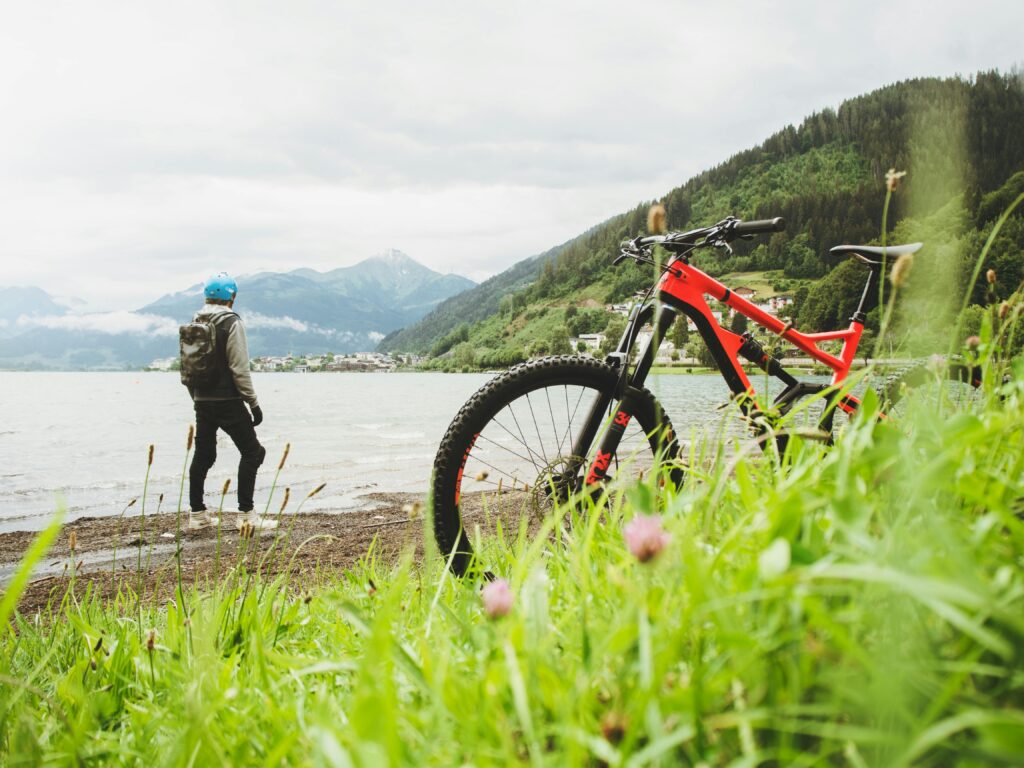
Your bike is the most important part of your bikepacking journey. The right one ensures a smooth and enjoyable ride, while the wrong one can make every mile feel like a struggle. Whether you're exploring rugged mountain trails, scenic highways, or a mix of both, selecting a well-built and comfortable ride is key.
A reliable dealership offers a range of high-performance options, from Yamaha’s powerful motorcycles to the cutting-edge design of the Polaris Slingshot and everything in between. You can choose from brand-new models or carefully inspected pre-owned inventory, ensuring you get a dependable bike that fits your needs.
According to the professionals at RideNow Hurst, if budget is a concern, there are flexible financing options, allowing you to ride now and pay later. Customization is also an option, as it can take your bikepacking experience to the next level. Experienced professionals can help you select upgrades, from better suspension for rough terrain to ergonomic handlebars for long rides.
Pack Smart Because Less Is More
Every extra pound on your bike slows you down, so pack only what you need. The goal is to strike a balance between traveling light and having enough gear for safety and comfort.
Use bags specifically designed for bikepacking, instead of a heavy backpack. Frame bags, seat packs, and handlebar bags evenly distribute weight, keeping your ride smooth. Here’s a basic packing checklist:
Clothing: Lightweight, moisture-wicking layers for changing weather.
Camping Gear: Compact tent, sleeping bag, and inflatable pad.
Food & Water: High-energy snacks, a hydration system, and a lightweight stove.
Tools & Spares: Multi-tool, patch kit, spare tubes, and chain lube.
Navigation & Safety: GPS, paper map, headlamp, and first-aid kit.
Pack wisely, and you’ll ride faster, further, and with fewer headaches.
Master the Art of Route Planning Without Relying on Apps
A well-planned route can mean the difference between an unforgettable adventure and a frustrating ride. While apps and GPS devices are helpful, you won’t always have internet access or battery life to rely on. That’s why it’s important to plan ahead and know how to navigate without digital tools.
Start by studying a physical map of your route before your trip. Identify key landmarks, elevation changes, and resupply points for food and water. Mark important locations like campsites, gas stations, and emergency stops. Write down essential details in a small notebook- road names, mileage between stops, and turn-by-turn directions.
When on the road, pay attention to natural markers like rivers, mountain ranges, and major intersections. If unsure of your path, ask locals for directions (they often know shortcuts or the best roads for cycling). Carrying a compass can also help keep you oriented.
A good route doesn’t just get you to your destination- it ensures you have the resources, scenery, and safety you need along the way. Even without technology, a little preparation keeps you on the right path.
Stay Ready for the Unexpected
No matter how well you plan, surprises will happen. A sudden storm, a road closure, or a mechanical issue can throw you off track. The key to handling these moments is staying flexible and prepared.
Before you set off, make sure your bike is in top shape. Check the brakes, gears, and tires. Bring a repair kit with essentials like a tire pump, spare tubes, and a chain tool. Even a small issue, like a loose bolt, can become a big problem miles away from the nearest town.
Weather can change fast, especially in remote areas. Pack a lightweight rain jacket, extra layers for cold nights, and sun protection for hot days. Always check the forecast before your ride, but be ready for anything.
If you get lost, stay calm and retrace your route instead of pushing forward blindly. Being prepared doesn’t mean expecting the worst- it means having the confidence to handle whatever comes your way. The best adventures come with a few unexpected twists, so embrace them as part of the journey.
Bikepacking is about freedom, adventure, and discovering new places on two wheels. With the right bike, smart packing, and solid planning, you can explore confidently. Stay prepared for the unexpected, embrace the journey, and enjoy every mile. The best adventures aren’t just about the destination but the ride itself.