
Bleeding gums are something we all ignore. We brush it off as a minor inconvenience, blaming it on brushing too hard or not flossing enough. But ignoring bleeding gums can lead to big oral and overall health problems. Knowing why your gums bleed and taking action now can make all the difference in preventing long term health issues.
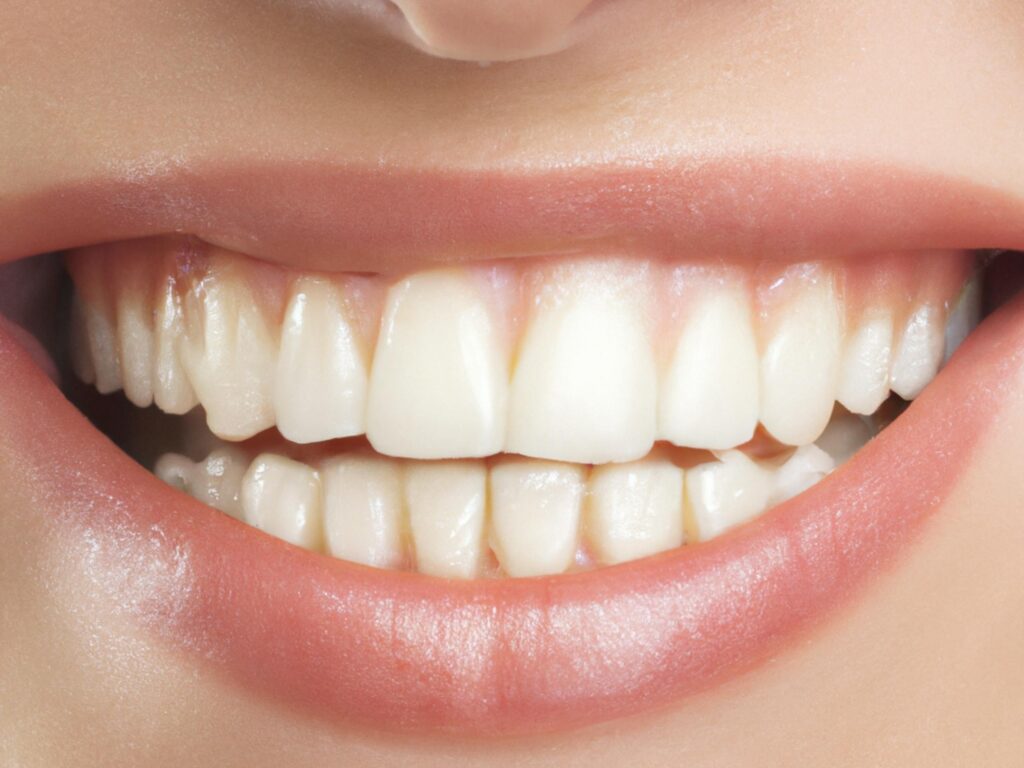
What Causes Bleeding Gums?
Bleeding gums can be caused by many things from poor oral hygiene to serious medical conditions. The most common reason is plaque build-up along the gumline. Plaque is a sticky film of bacteria that forms on your teeth after you eat or drink. If you don’t remove it through regular brushing and flossing it hardens into tartar and irritates the gums and makes them bleed.
Gingivitis, the early stage of gum disease, shows up as bleeding gums. At this stage the gums are inflamed and red but it’s still reversible with good care. If left untreated gingivitis can progress to periodontitis, a more serious form of gum disease that damages the tissues and bones that support your teeth.
Beyond gum disease other things can cause bleeding gums. These include hormonal changes during pregnancy, ill fitting dental appliances, certain medications or deficiencies in vitamins like Vitamin C and K. Systemic health issues like diabetes, leukaemia or blood clotting disorders can also make your gums more prone to bleeding.
The Connection Between Bleeding Gums and Your Overall Health
Your overall health is connected to your oral health. Bleeding gums can be a sign of underlying health issues. Research has shown that gum disease is linked to heart disease, stroke and diabetes. The inflammation from gum disease allows bad bacteria to get into the bloodstream.
For diabetics bleeding gums is especially concerning. Gum disease and diabetes have a two way street: diabetics are more prone to gum infections and gum disease makes it harder to control blood sugar. This is a cycle that makes it clear we need to address gum issues now.
And research is showing that gum disease can affect pregnancy. Untreated gum disease in pregnant women can increase the risk of preterm birth and low birth weight babies. Take care of your gum health during pregnancy for yourself and your baby’s sake.
Why Ignoring Bleeding Gums Is Risky
Bleeding gums are like the check engine light on your car. It may not seem like a big deal, but it’s a sign something is wrong and needs to be checked out. Over time untreated gum problems can turn into full blown gum disease and tooth loss. Beyond the cosmetic and functional impact of losing teeth, gum disease can be painful and expensive to treat when it gets advanced.
And the bacteria that causes gum disease can get into your bloodstream and affect other parts of your body. For example it can make existing conditions like rheumatoid arthritis or respiratory infections worse. By ignoring your bleeding gums you may be causing bigger health problems and not even know it.
How to Address Bleeding Gums
Good news is bleeding gums can be treated and prevented. First you need to improve your oral hygiene routine. Brush your teeth at least twice a day with a soft bristle toothbrush and fluoride toothpaste. Floss daily to remove food particles and plaque from areas your toothbrush can’t reach. If you’re new to flossing, a little bleeding is normal at first but should stop as your gums get healthier.
Regular dental check-ups and cleanings are also important. Your dentist can diagnose what’s causing your bleeding gums and recommend treatment. If gum disease is caught early it can be prevented. If it’s more advanced, scaling and root planning or even surgery might be needed.
A healthy diet can also help. Foods high in C and K like citrus, leafy greens and bell peppers can help your gums and stop bleeding. Stay hydrated and don’t smoke.
Regular dental check-ups and cleanings are also important. Your dentist, such as those at Mayfield Dental, can diagnose what’s causing your bleeding gums and recommend treatment. For patients seeking less invasive care, advanced approaches like Duo-Lase Periodontal laser therapy use focused light energy to target infected tissue and eliminate bacteria without scalpels. This targeted treatment promotes faster natural tissue healing and helps seal blood vessels to significantly reduce post-procedure bleeding.
The Role of Consistency in Preventing Gum Problems
Consistency is everything when it comes to healthy gums. Good habits daily can reduce the risk of bleeding gums and other oral health problems. It’s not just about brushing and flossing but also about paying attention to the signs your gums are giving you. If you notice bleeding doesn’t stop, don’t wait to get professional help. Early diagnosis and treatment can save you from unnecessary pain and expense.
Encouraging a Proactive Approach to Gum Health
Being proactive is one of the best things you can do for your health. Treat your oral health as part of your overall wellness. If you notice any changes in your gums (redness, swelling, bleeding) address them ASAP. Share with your dentist who can give you personalised advice.
It’s easy to ignore bleeding gums but doing so puts both your oral and overall health at risk. What seems like a small issue today can become a big problem tomorrow. Small steps towards better oral care can make a big difference, so your gums (and the rest of your body) can be healthy for years to come.
Bleeding gums are more than just a minor annoyance—they’re a sign your oral health needs attention now. Ignoring them can lead to gum disease, tooth loss, heart disease, diabetes complications, pregnancy risks and more. By addressing bleeding gums now you’re not only saving your smile but your overall health. Healthy gums are the foundation of strong teeth and the gateway to better health.
It starts with simple but powerful steps: commit to daily brushing and flossing, eat a nutrient rich diet, stay hydrated, don’t smoke and make regular dental check-ups a priority. These habits not only prevent gum disease but improve your overall life. Remember early intervention can save you from costly and painful treatments down the road and reduce your risk of serious health complications.
Your gums don’t just support your teeth—they support your body’s overall health. By treating gum health as part of your self care routine you’re investing in your long term health. A smile free of bleeding gums is not just good oral hygiene but a commitment to your well being. Start today because the small steps you take now can have a big impact on your health tomorrow. A healthy smile is the key to a healthier, happier you. Make it a priority—it’s worth it!
If bleeding gums persist, it could indicate more serious issues such as gum disease or bone loss. In some cases, addressing these problems early can prevent tooth loss; when that happens, search terms like “single tooth implants Winnipeg MB” and “Winnipeg implant dentist” can help you find qualified local specialists to restore both function and aesthetics with precision.