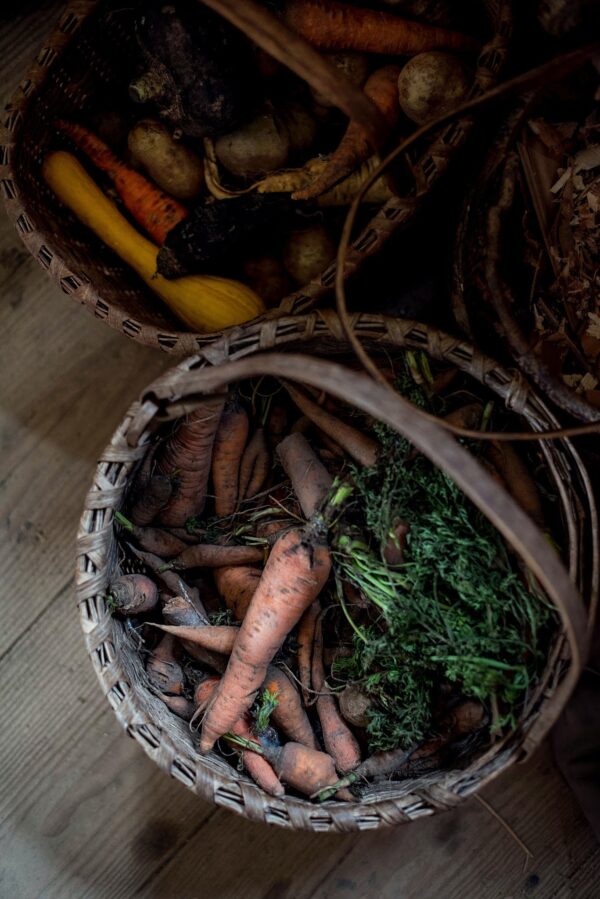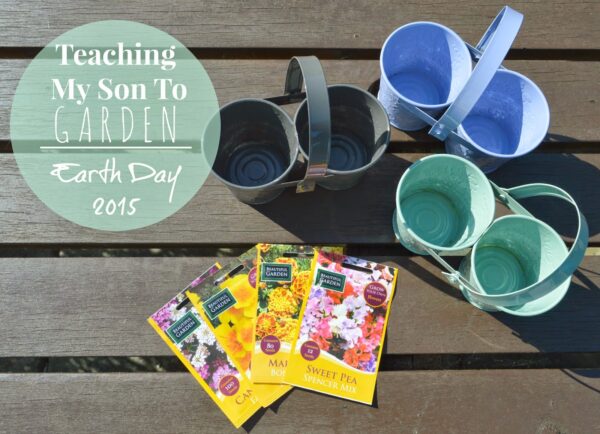
Organic gardening has become a huge trend in Ireland and the UK in recent times, with many people growing their own produce at home. This is both with rising interest in sustainability, health and lowering costs. This post will offer a few tips to help both new and seasoned gardeners achieve a successful organic garden at home.
Start with Healthy Soil: The Foundation of Organic Growing
Soil is the literal foundation of organic gardening, so you must make sure that you are starting with healthy soil. Well-maintained, nutrient-rich soil leads to stronger plants and better yields, so you will want to use organic compost and natural amendments like manure to boost soil fertility.
Choose the Right Crops for Your Climate
You must also pick fruits and vegetables that thrive in the Irish and UK climate. Hardy, low-maintenance crops like potatoes, carrots and kale are ideal for beginners, and choosing climate-appropriate varieties will reduce the need for intensive care, particularly on larger scales.
Natural Pest Control: A Key to Organic Success
There are many pests that threaten your crops, but you will want to use natural methods to control pests and avoid chemical pesticides. Techniques like companion planting (e.g., marigolds for pest control) and organic remedies, such as neem oil, can work well to control pests and promote healthy growth. You can also use physical barriers like mesh and polytunnel greenhouses to protect against pests.
Watering Wisely: How to Conserve Water in Organic Gardens
Water management is crucial for healthy crops, especially in light of climate change and water restrictions in part of the Ireland and the UK. Therefore, you must know how to conserve water with the use of rainwater harvesting, mulching to retain moisture, and watering at optimal times. Polytunnels can also be useful for regulating moisture levels and preventing water evaporation.
Crop Rotation: Maintaining Soil Health and Reducing Pests
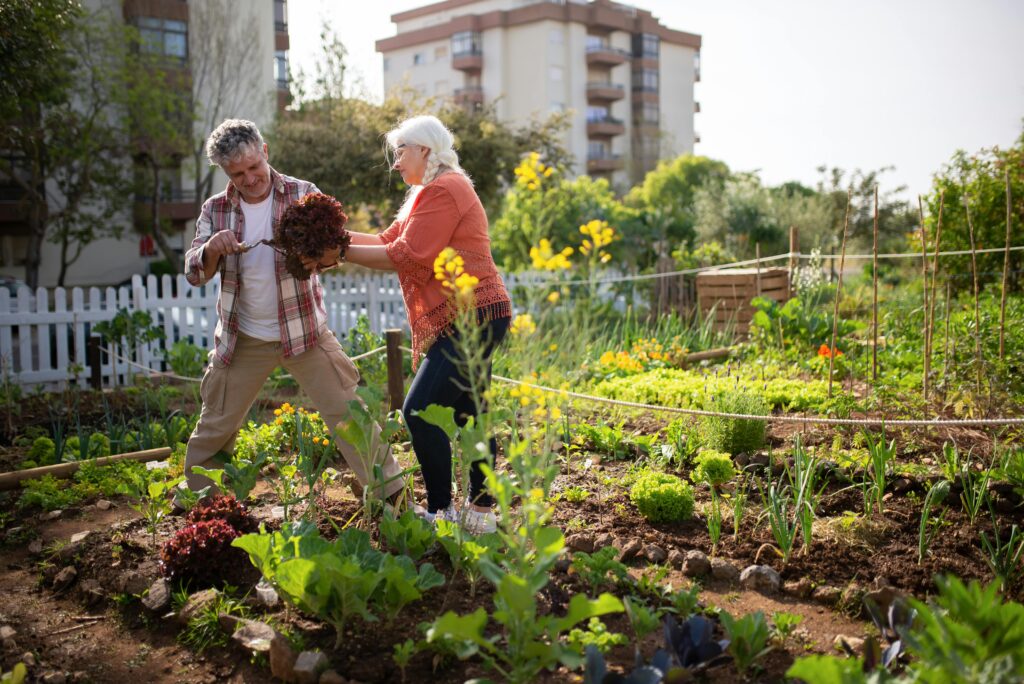
Crop rotation is a key organic gardening practice. This is important for preventing the build-up of soil-borne diseases and pests while maintaining soil nutrients. Rotating crops each year will benefit the long-term productivity of your garden.
Polytunnels: Extending the Growing Season Organically
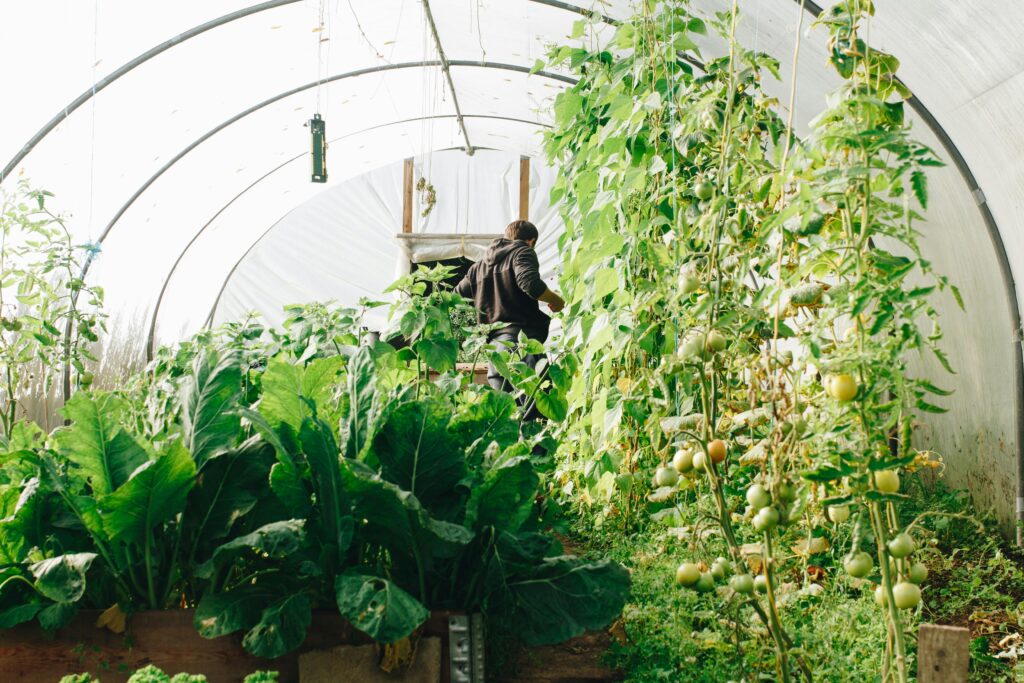
Polytunnel greenhouses are a smart way to extend the growing season. They allow gardeners to grow organic produce even in the colder months and can protect against frost, heavy rain, and pests.
Composting: Creating Your Own Organic Fertiliser
Composting is essential for organic gardeners and allows you to create your own free, nutrient-rich fertiliser to improve soil structure. Use a balance of food and green waste to create high-quality compost.
Sustainability in the Garden: Why Organic Matters
Organic gardening is important to reduce reliance on chemical fertilisers and pesticides as well as reduce food miles and maintain biodiversity. This is why organic gardening is a great option for protecting the planet.
Organic gardening might seem intimidating, but it is worth the effort. Not only can you grow your own produce, but you can play your part in protecting the planet.