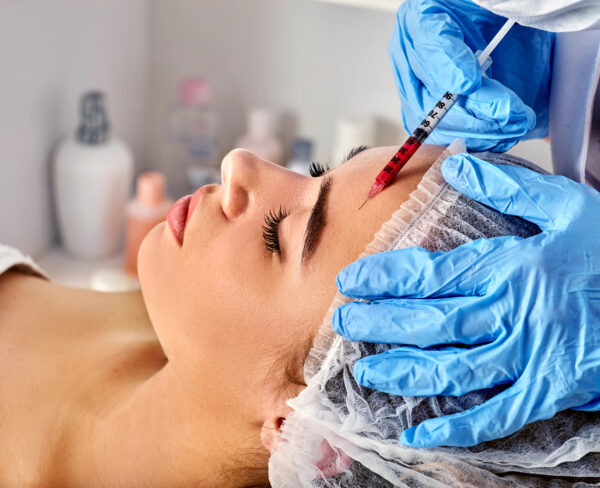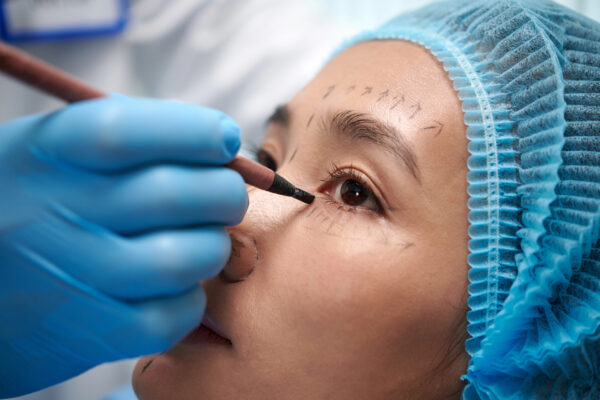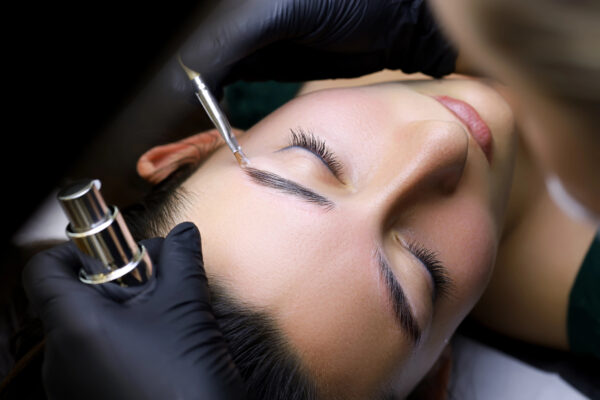
It often starts with a photo. Maybe it’s a candid shot from a friend’s wedding on the Charleston waterfront or a sunny afternoon snapshot on King Street, and something catches your eye. Your jawline looks a little softer than you remember. The lines around your mouth seem deeper. You look tired, even though you feel perfectly rested.
You don’t want a new face. You just want yours back, a bit fresher and closer to how you feel inside. And if you’re like many women, the idea of cosmetic surgery comes with one big worry: looking “done.”
Here’s the reassuring part. Looking younger doesn’t have to mean looking dramatically different. Facial rejuvenation today leans toward subtle, balanced results, which raises a fair question: can a facelift actually deliver that kind of quiet improvement?
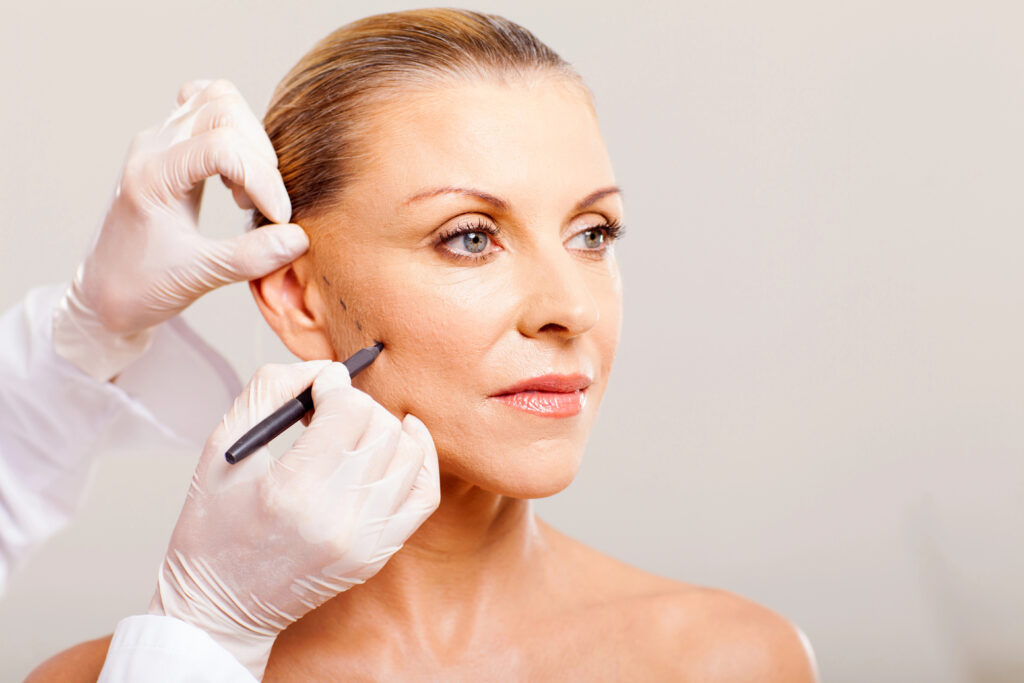
What Does “Looking Overdone” Really Mean?
Most of us can picture the “overdone” look even if we can’t quite describe it. When women say they’re afraid of it, they usually mean things like:-
• Skin that looks stretched or unnaturally tight.
• A face that doesn’t move naturally when you smile, laugh, or talk.
• Features that look out of proportion with one another.
• A result that simply doesn’t suit your face.
• Looking like a different person rather than a rested version of yourself.
The good news is that cosmetic surgery has evolved. Older techniques often relied on pulling the skin tight, which is where that windswept reputation came from. Modern facial rejuvenation generally focuses on balance, proportion, and an individualized plan, often working with the deeper supporting tissues of the face instead of simply tightening the surface.
Can a Facelift Create a More Natural-Looking Result?
A facelift is designed to address structural signs of aging in the face and neck. Over time, the skin and the tissues beneath it loosen and descend, which may show up as:-
• Sagging skin along the lower face.
• Jowls forming along the jawline.
• Reduced jawline definition.
• Deepening folds around the mouth and lower face.
• Loose skin where the face meets the neck.
What a facelift doesn’t do is erase every sign of aging. On its own, it won’t change skin texture, sun spots, or fine lines, and it isn’t meant to freeze time.
You’re also far from alone in considering it. According to the American Society of Plastic Surgeons’ 2024 procedural statistics, ASPS member surgeons performed 800,000 facelifts in 2024, and 93% of those patients were women.
How natural the outcome looks depends on several factors, including:-
• Your facial anatomy and bone structure
• Skin quality and elasticity
• The degree of laxity in the face and neck
• The technique your surgeon uses
• Careful surgical planning tailored to your features
• Realistic expectations about what surgery can and can’t do
Why Subtle Changes Can Make a Big Difference
Think about a friend who came back from a long vacation looking wonderful. You probably couldn’t pinpoint what changed; she just looked rested and happy. That’s often the sweet spot a well-planned procedure aims for. Rather than a dramatic transformation, the goal may be to help you look:-
• More refreshed
• Less tired
• More defined along the jawline
• Naturally rejuvenated in a way that suits your age and style
Keeping your recognizable features matters more than many people realize. Your face carries your expressions, your family resemblance, and the smile people know you by. When those stay intact, friends tend to notice that you look well, not that you’ve had something done. For most women, that’s the whole point.
Is a Facelift the Right Option for Every Aging Concern?
Not at all, and it helps to know that going in. Facial aging shows up in different ways, and each concern may call for a different approach:-
• Fine lines and skin texture: often addressed with non-surgical skin treatments.
• Loss of facial volume: may sometimes involve fillers or fat-based approaches.
• Skin laxity and jowling: more closely related to what a facelift treats.
• Neck laxity: may need the neck assessed as part of an individualized plan.
• Upper-face concerns: such as the brows or eyelids, involve entirely different considerations.
Many women have a mix of these concerns, which is why there’s no one-size-fits-all answer. Only an in-person evaluation can tell you which options, if any, make sense for your face and goals.
If your main concerns are sagging along the jawline and loosening around the lower face and neck, reading up on options such as a facelift in Charleston can be a useful starting point before you book a consultation. Seeing how surgeons describe their approach gives you a clearer sense of what natural-looking results can involve.
Thomas Funcik Plastic Surgery in nearby Mount Pleasant, for example, explains that its facelift plans are tailored to each patient, with sagging, volume loss, and skin changes each evaluated before a plan is built. That kind of individualized thinking is worth looking for wherever you decide to consult.
What Should You Consider Before Choosing a Facelift?
If you’re thinking about your first consultation, this checklist can help you walk in prepared:-
• Your specific concerns: Is it jowls, neck laxity, a tired look, or something else?
• Your desired level of change: Do you want a soft refresh or a more noticeable improvement?
• Realistic expectations: A facelift can restore contours, but it won’t make you look like someone else.
• Your health and medical history: Conditions, medications, and smoking can all affect safety and healing.
• Recovery and lifestyle: Can you set aside time away from work, travel, and social plans?
• The surgeon’s qualifications: Look for board certification and experience with facial surgery.
• Before-and-after photos: Do the results look natural and similar to what you want?
• Aesthetic fit: Does the surgeon’s style match your goals?
• Risks and limitations: Make sure risks, recovery, and possible outcomes are discussed openly.
What Does a Natural-Looking Facelift Actually Aim to Achieve?
At its heart, a natural-looking facelift isn’t about turning back the clock as far as possible. It’s about restoring contours that have softened over time, such as a cleaner jawline and a smoother transition from face to neck, while leaving your character intact.
The ideal outcome is balanced: refreshed but not tight, lifted but not changed. Think of it as subtle rejuvenation, where the result looks like you on a great day rather than a different version of you.
What Does Recovery Usually Involve?
Recovery varies from person to person and depends on the procedure performed and how your body heals. That said, many people can expect:-
• Swelling and bruising, which are usually most noticeable in the first couple of weeks
• Temporary tightness, numbness, or discomfort around the face and neck
• Gradual improvement as swelling settles over the following weeks and months
• Following post-operative instructions closely, including rest, wound care, and follow-up visits
• Patience before judging the final result, since contours continue to refine over time
Your surgeon will give you personalized guidance, so ask about timelines for returning to work, exercise, and social plans during your consultation.
The Bottom Line
A facelift can be an option for women concerned about significant sagging in the lower face and neck who want to look refreshed. But the goal shouldn’t simply be to look as young as possible. The more important question is whether a procedure can address your specific concerns while preserving the natural character that makes your face yours.
If you’re curious, start with a conversation with a qualified, board-certified plastic surgeon who can evaluate your face, talk honestly about your options, and help you decide whether a facelift or another approach suits your goals.