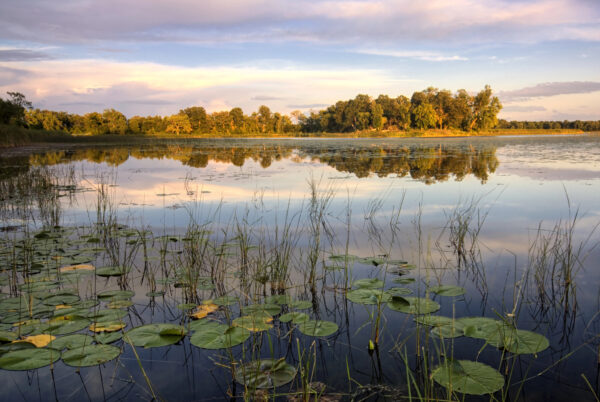
Modern life keeps many people indoors for most of the day. You move between public transport and screens, often without spending meaningful time outside. That routine can leave you mentally tired even when you have not done anything physically demanding. Outdoor adventure offers a practical way to reset your attention and improve your wellbeing through simple, consistent habits. You do not need expensive equipment or elite fitness levels to benefit. A countryside walk or a weekend camping trip can help you feel more focused and socially connected in ways that fit realistically into everyday life.

Mental Health Benefits of Outdoor Activities
When you walk through woodland or follow a coastal path, your attention shifts away from deadlines and constant notifications. Physical movement combined with fresh surroundings often reduces feelings of stress more effectively than sitting indoors trying to relax. Activities such as hiking or kayaking also give you clear tasks to focus on, which can interrupt repetitive anxious thinking. Many people notice they sleep better after spending several hours outdoors because physical effort and daylight exposure help regulate energy levels across the day.
Physical Health and Outdoor Adventure
Outdoor adventure improves fitness without making exercise feel repetitive. Uneven trails and changing terrain challenge your balance and coordination in ways that standard gym routines often cannot. A long walk with friends may also feel easier to maintain than a structured indoor workout because the environment keeps your attention engaged. Regular outdoor movement supports heart health and increases stamina over time. Spend one afternoon each week doing an activity that raises your heart rate while still allowing you to enjoy the experience.
Community and Social Connection Outdoors
Walking groups and community cycling events give you opportunities to meet people while sharing a clear purpose. Conversations tend to feel more relaxed when you walk side by side instead of sitting across a table. Shared experiences outdoors also encourage teamwork. Setting up camp together or navigating a difficult trail builds trust naturally through cooperation.
Making Outdoor Adventures Accessible and Affordable
Outdoor wellbeing does not need to cost a fortune. Public parks and local footpaths offer free access to green space in many areas. You can also buy second-hand equipment or join groups that share resources. Travel has become more accessible as well. Many families can now find cheap ski holidays by travelling outside peak periods and hiring equipment locally instead of purchasing it.
A Different Way to Recharge
Time outside can also change how you respond to daily pressures once you return home. A challenging walk or even an hour away from busy environments often reminds you that constant productivity is not the only way to spend your time. You take in small details again, from weather patterns to conversations that might otherwise feel rushed. That shift in perspective can influence your routines long after the activity ends. Instead of viewing outdoor experiences as occasional treats, you may start seeing them as necessary moments that help you feel more balanced and present.