
Scuba divers on conservation trips often encounter marine species such as sea turtles, reef sharks, coral reef fish, stingrays, and octopuses. These species play important roles in maintaining the balance of coral reef ecosystems. Observing them helps divers understand the importance of marine conservation and protecting ocean biodiversity.
For scuba divers, exploring these ecosystems is an unforgettable experience. At the same time, many divers today are also learning about the importance of protecting marine life.
One way people combine diving with conservation work is through a SCUBA conservation trip. During these programs, divers explore underwater habitats while helping researchers observe and record marine species.
This article covers 5 marine species that a scuba diver encounters on a conservation trip.
Why Marine Species Matter in Ocean Ecosystems
Every marine species plays a role in keeping ocean ecosystems balanced. Some animals help control populations of smaller species, while others help maintain coral reefs.
Coral reefs themselves support many forms of life. The National Oceanic and Atmospheric Administration explains that coral reef ecosystems provide habitat for a wide variety of fish and marine animals.
Because of this biodiversity, coral reefs are the main focus of marine conservation programs.
Here are five marine species one can watch while on a conservation trip.
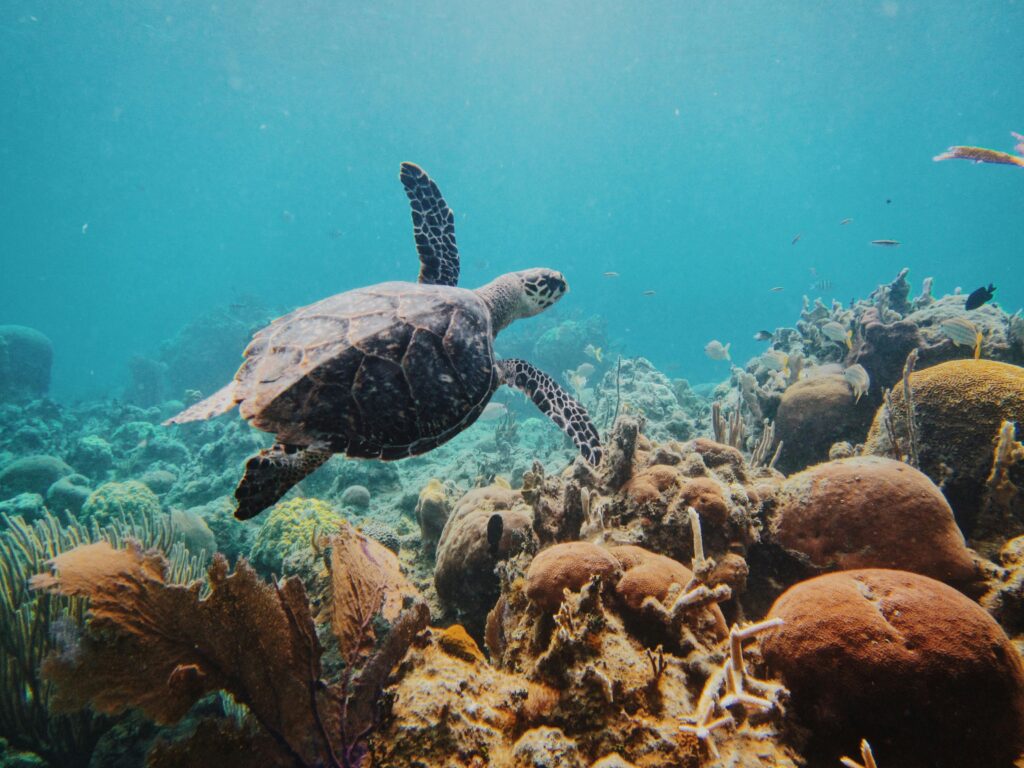
1. Sea Turtles
Sea turtles are one of the most memorable animals divers encounter underwater. These gentle reptiles often swim slowly near coral reefs and seagrass areas.
Sea turtles play an important role in marine ecosystems. By feeding on seagrass and jellyfish, they help keep ocean habitats balanced.
2. Reef Sharks
Reef sharks are common in healthy coral reef environments. Although they may look intimidating, most reef sharks are not dangerous to divers.
Sharks are important predators in the ocean. They help control fish populations and keep marine ecosystems balanced.
3. Coral Reef Fish
Coral reefs are home to hundreds of colorful fish species. Divers often see species such as parrotfish, butterflyfish, and angelfish moving around coral structures.
According to information from the Smithsonian Ocean Institute, coral reefs support around 25 percent of marine species, even though they cover only a small part of the ocean floor.
4. Stingrays
Stingrays are often found resting on sandy areas near coral reefs. Their flat bodies allow them to blend into the ocean floor. These animals help maintain healthy seabeds by feeding on small organisms buried in the sand.
5. Octopuses
Octopuses are known for their intelligence and ability to camouflage. Divers sometimes spot them hiding among rocks. They are skilled hunters and play an important role in controlling populations of small fish and crustaceans.
Learning About Marine Life Through Conservation Diving
Many divers join programs not only to explore the ocean but also to support conservation work. A scuba conservation trip allows participants to observe marine species while contributing to research activities.
Divers can contribute to recording marine underwater observations or checking the condition of corals. Such activities offer good information to scientists.
Key Takeaways
Coral reefs are home to many marine species.
Sea turtles help maintain healthy ocean habitats.
Reef sharks play an important role as ocean predators.
Coral reef fish are a major part of marine biodiversity.
Stingrays and octopuses contribute to balanced marine ecosystems.
Conservation programs help scientists study and protect marine life.